Belgrade
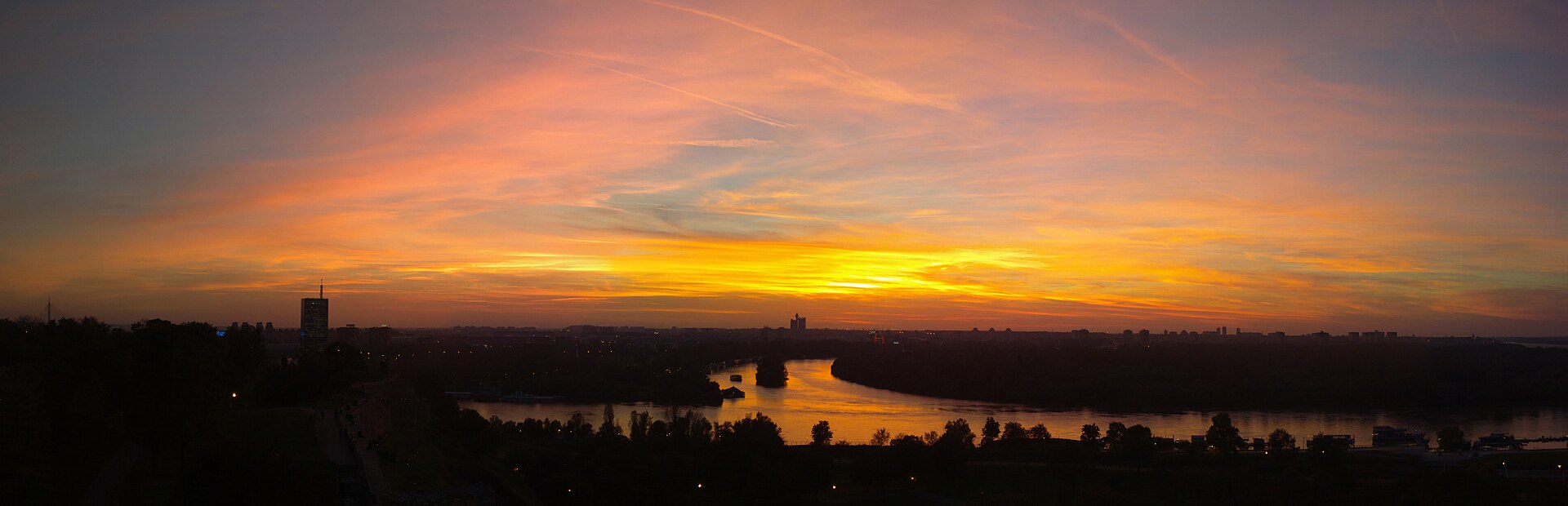
Belgrade is Serbia's energetic capital: Kalemegdan fortress above two rivers, Skadarlija bohemian kafanas, Savamala creative quarter, and one of the strongest nightlife and food scenes in the Balkans.
Discover where to stay, what to do, and how to plan unforgettable trips across Serbia, Montenegro, Bosnia, Croatia, and beyond.
These are the places readers usually start with when they want a first Balkans trip that feels easy to plan and worth the flight.
Belgrade is Serbia's energetic capital: Kalemegdan fortress above two rivers, Skadarlija bohemian kafanas, Savamala creative quarter, and one of the strongest nightlife and food scenes in the Balkans.
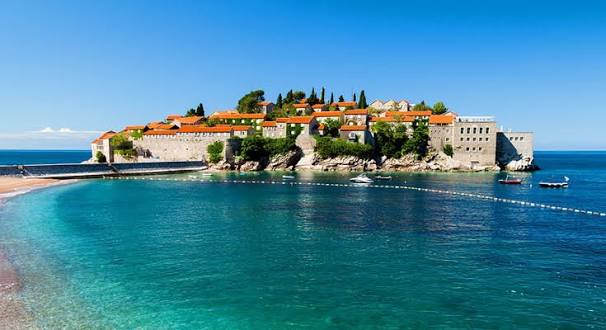
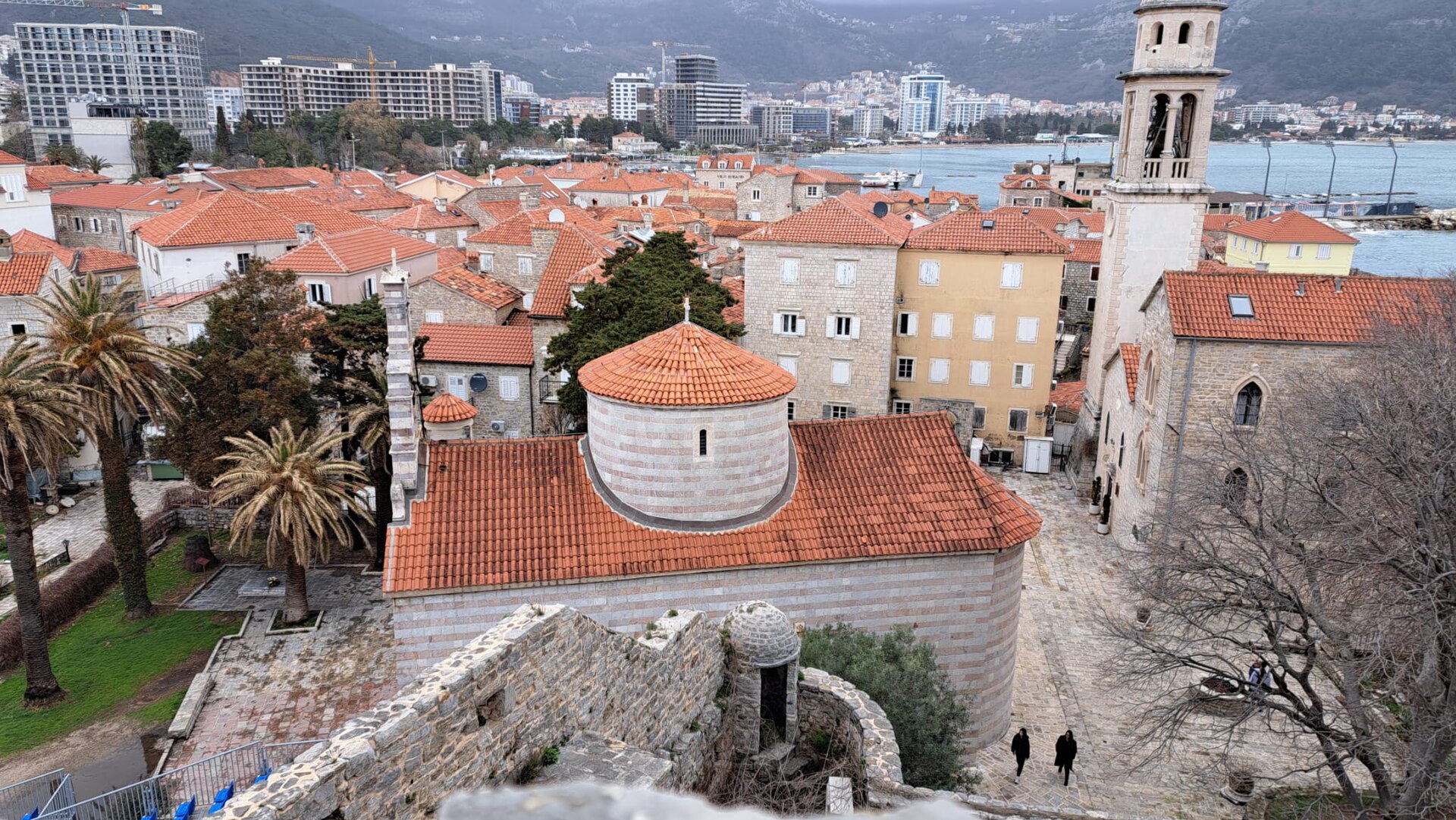
Budva is Montenegro's most popular Adriatic town: a compact walled old town on a peninsula, Mogren Beach ten minutes walk through a rock tunnel, Sveti Stefan island nearby, and the most straightforward coast setup in the country.
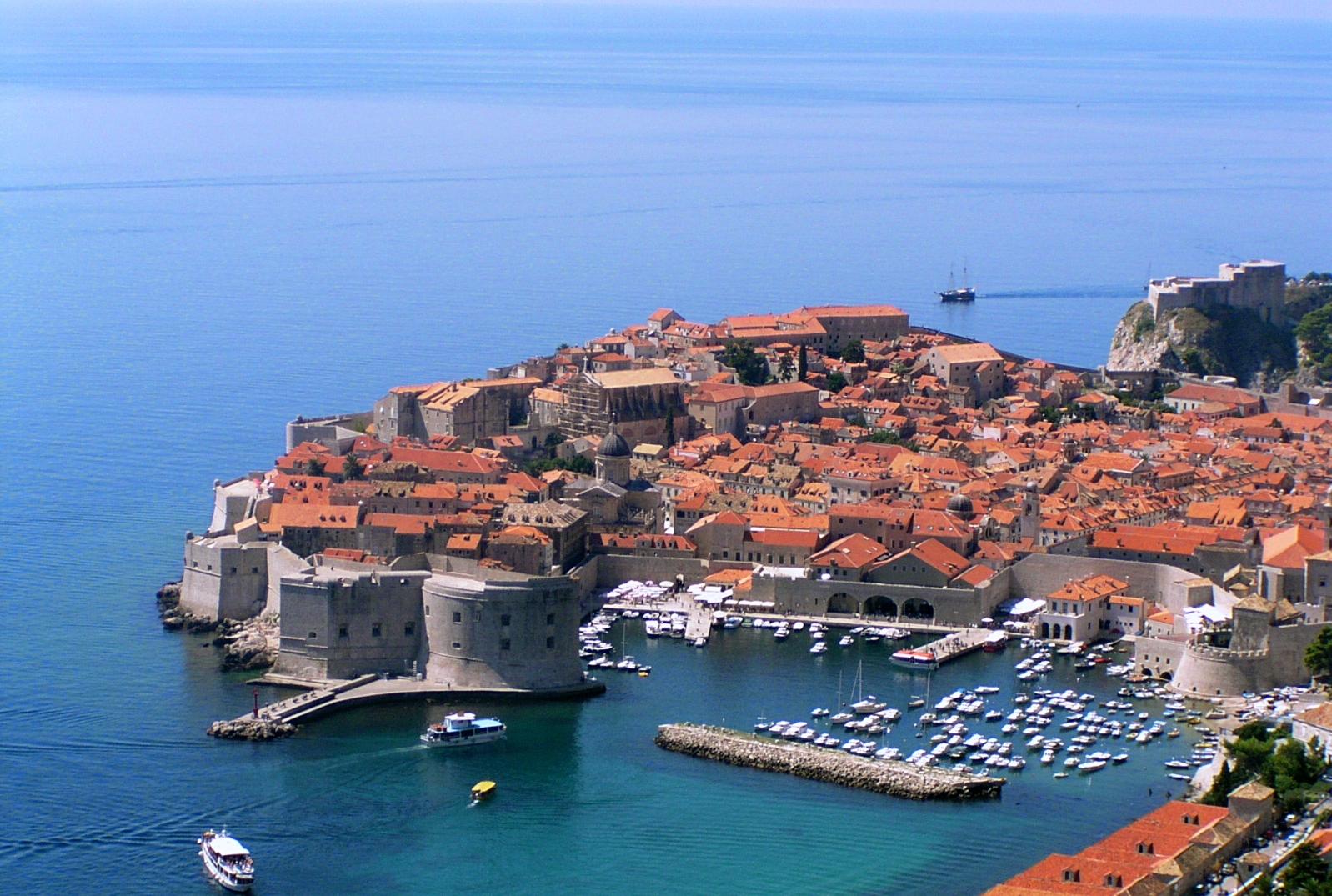
Dubrovnik is Croatia's most iconic walled city: 2km of medieval walls above the Adriatic, Stradun main street, Lokrum island 10 minutes by ferry, and a setting that earns the visit if the timing is right.
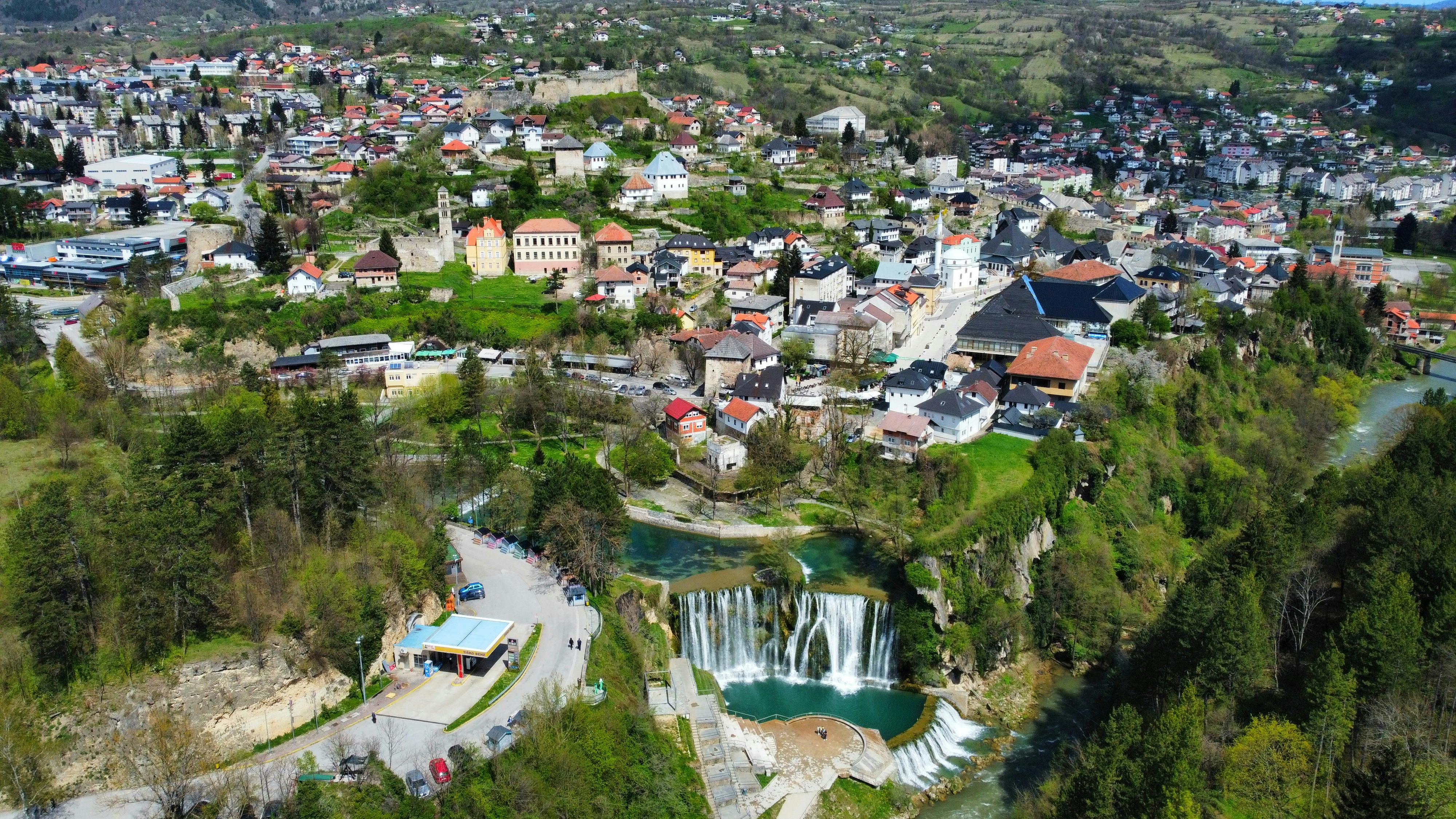
Jajce is Bosnia's most visually surprising town: a 17-metre waterfall in the center where the Pliva river meets the Vrbas, a medieval fortress above the old town, and Pliva watermills on the lake edge — all within easy walking distance.
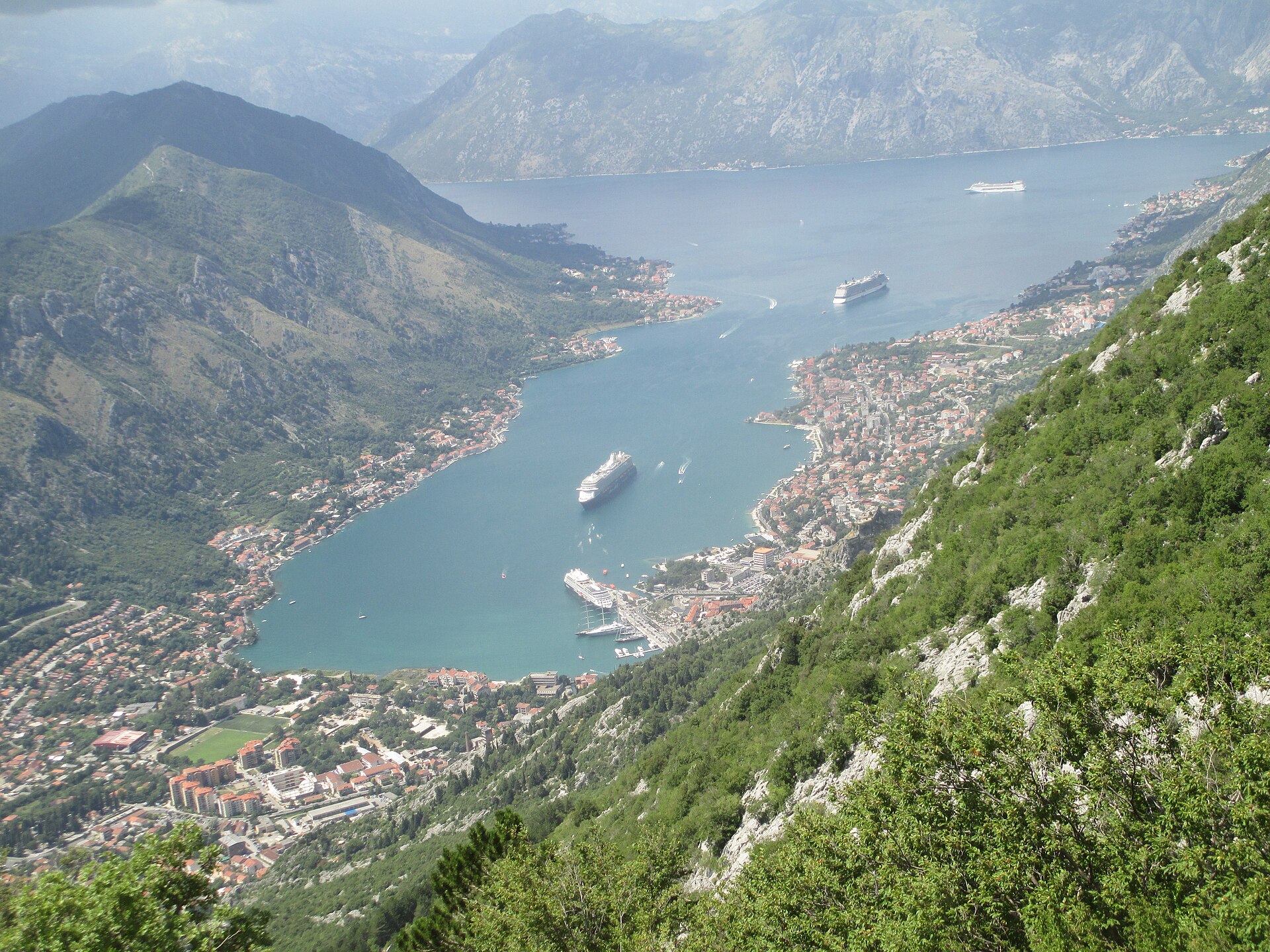
Kotor is Montenegro's most atmospheric walled town: UNESCO-listed old city, 1,355 steps to St John's Fortress above the bay, cats on every corner, and a fjord-like setting that looks different every hour of the day.
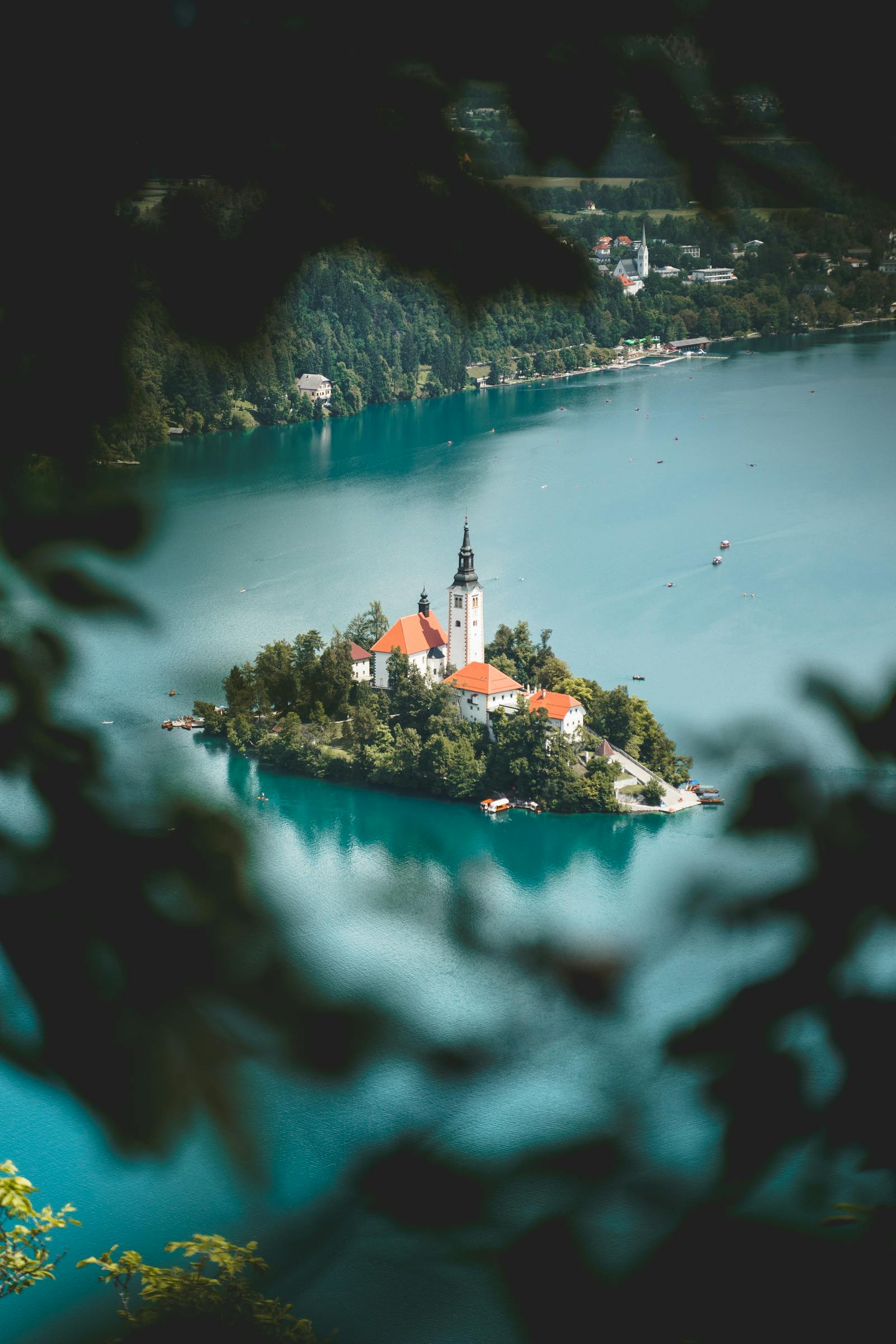
Lake Bled is Slovenia's most recognizable lake destination: an island church reached by traditional pletna boats, a clifftop castle above the water, Vintgar Gorge 4km away, and kremsnita cream cake that has been made here since 1953.
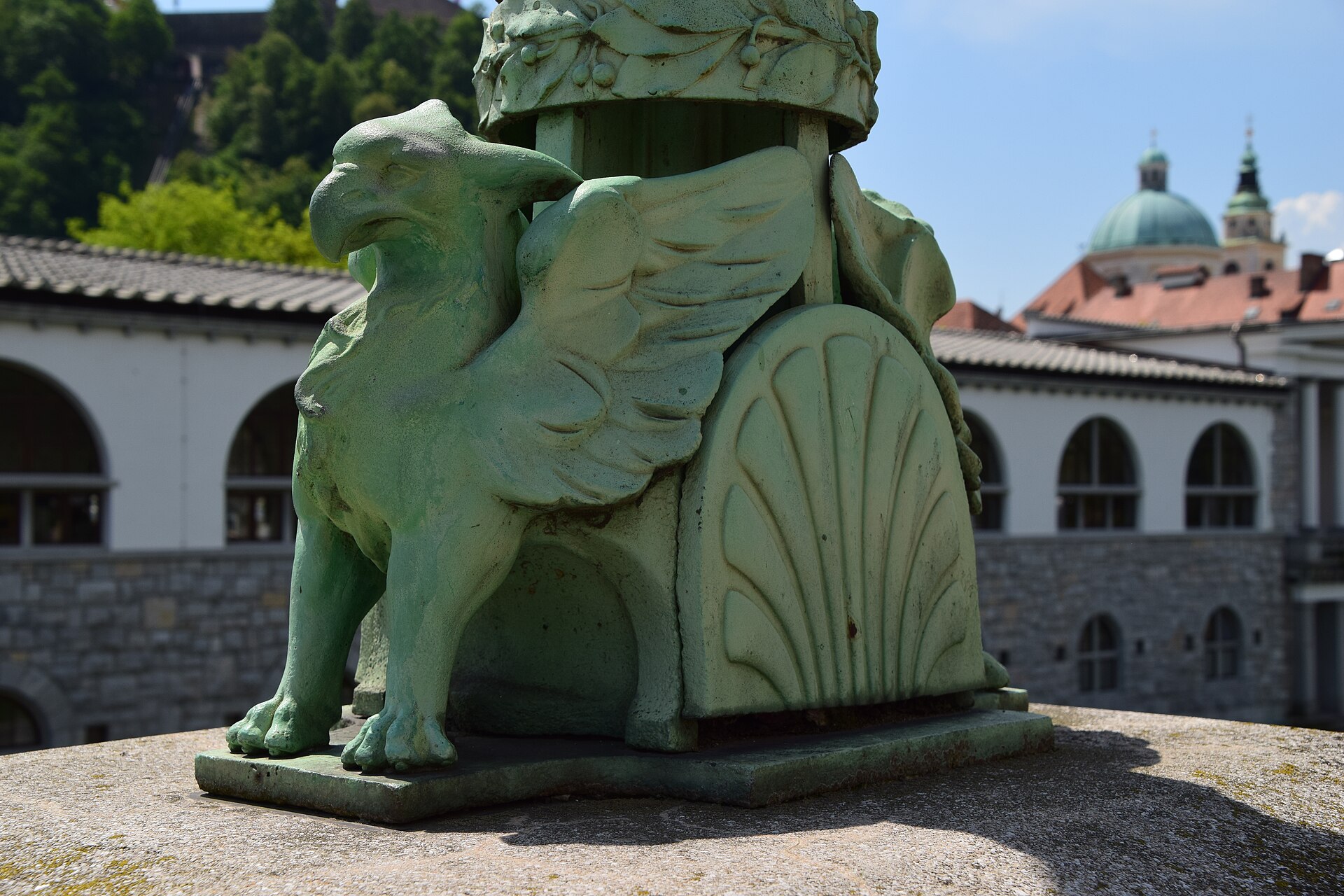
Ljubljana is Slovenia's walkable capital: Dragon Bridge above the Ljubljanica river, Ljubljana Castle on the hill above, Plečnik's Triple Bridge at the center, and a city that becomes comfortable within the first hour.
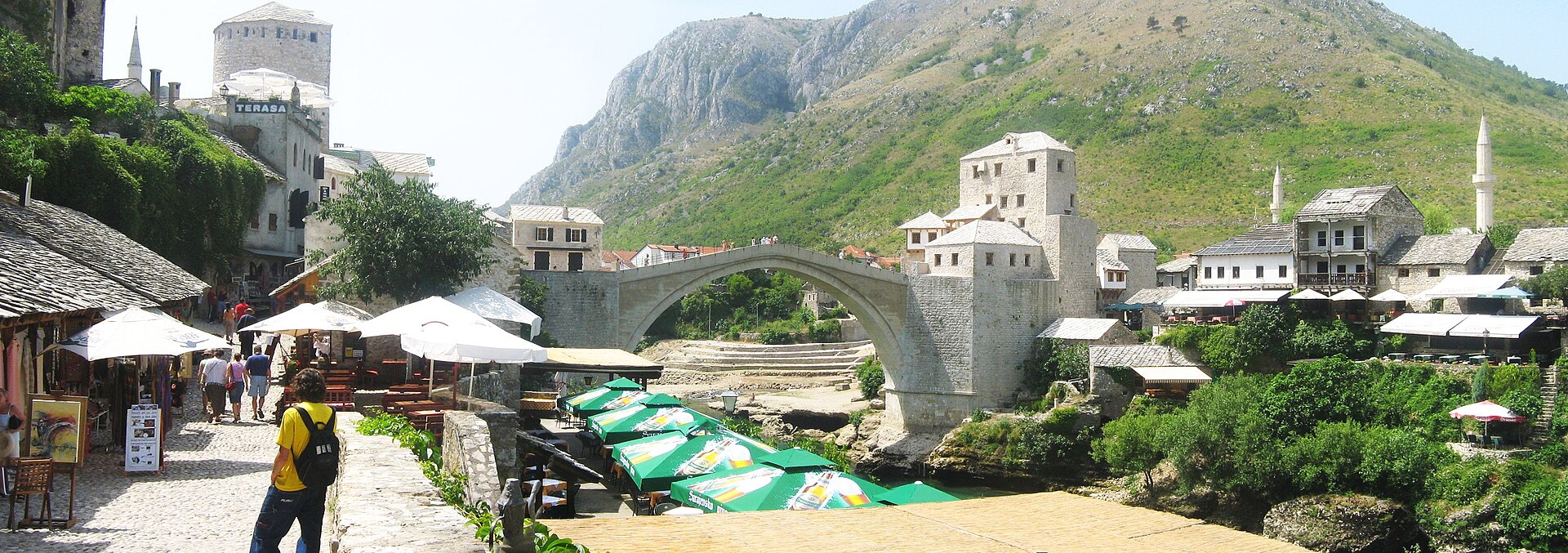
Mostar is Bosnia's most iconic smaller city: Stari Most bridge rebuilt after 1993 destruction, Kujundžiluk coppersmith bazaar, bridge divers in summer, and an old-town atmosphere that rewards staying overnight.
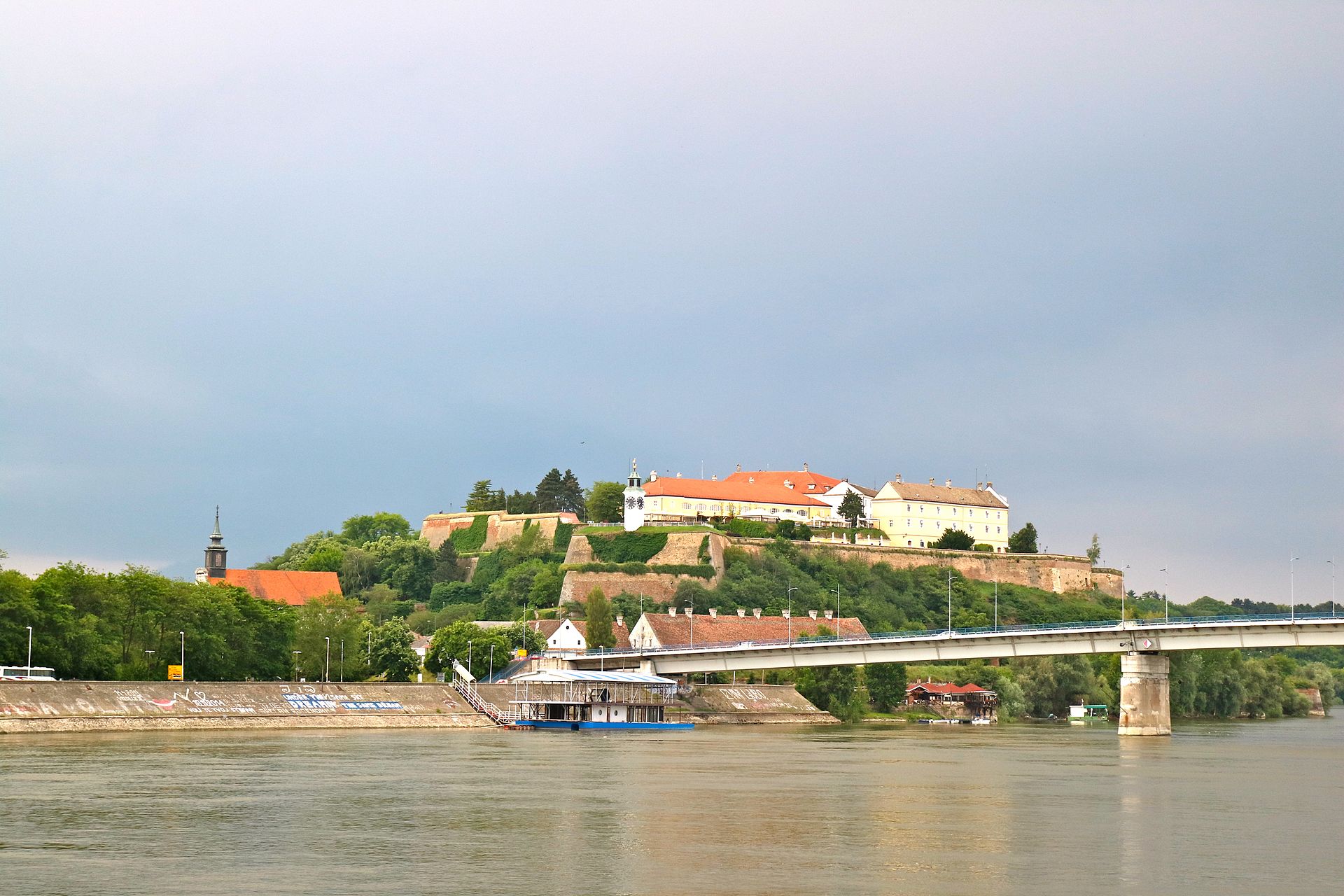
Novi Sad is Serbia's compact second city: Petrovaradin Fortress with its reversed-hands clocktower, a walkable historic center, strong cafe culture, and the easiest Balkan short break for travelers new to the region.
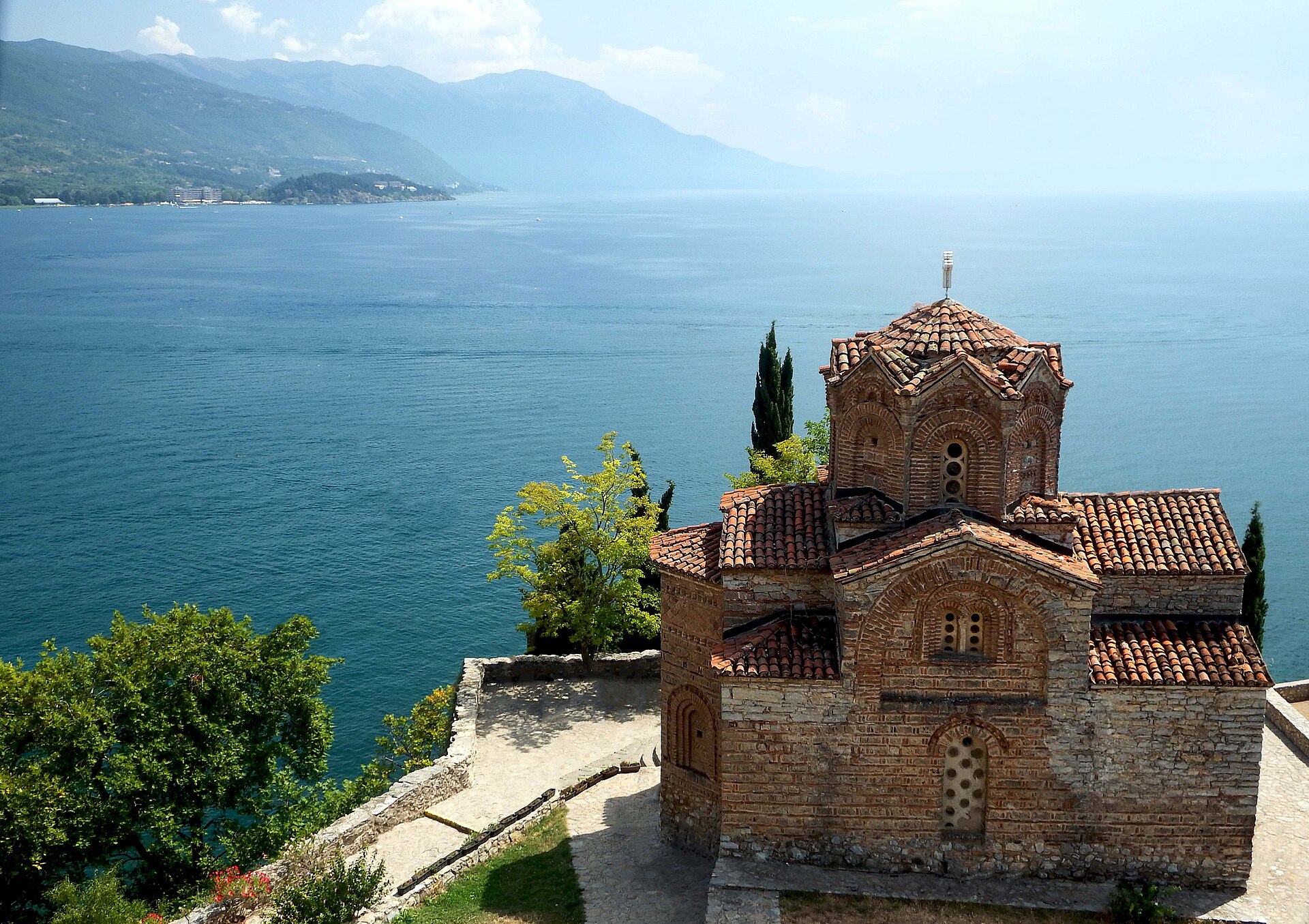
Ohrid is North Macedonia's most scenic destination: UNESCO double heritage (lake and culture), Church of St John at Kaneo above the water, 365 historically counted churches, and swimming from old-town beaches.
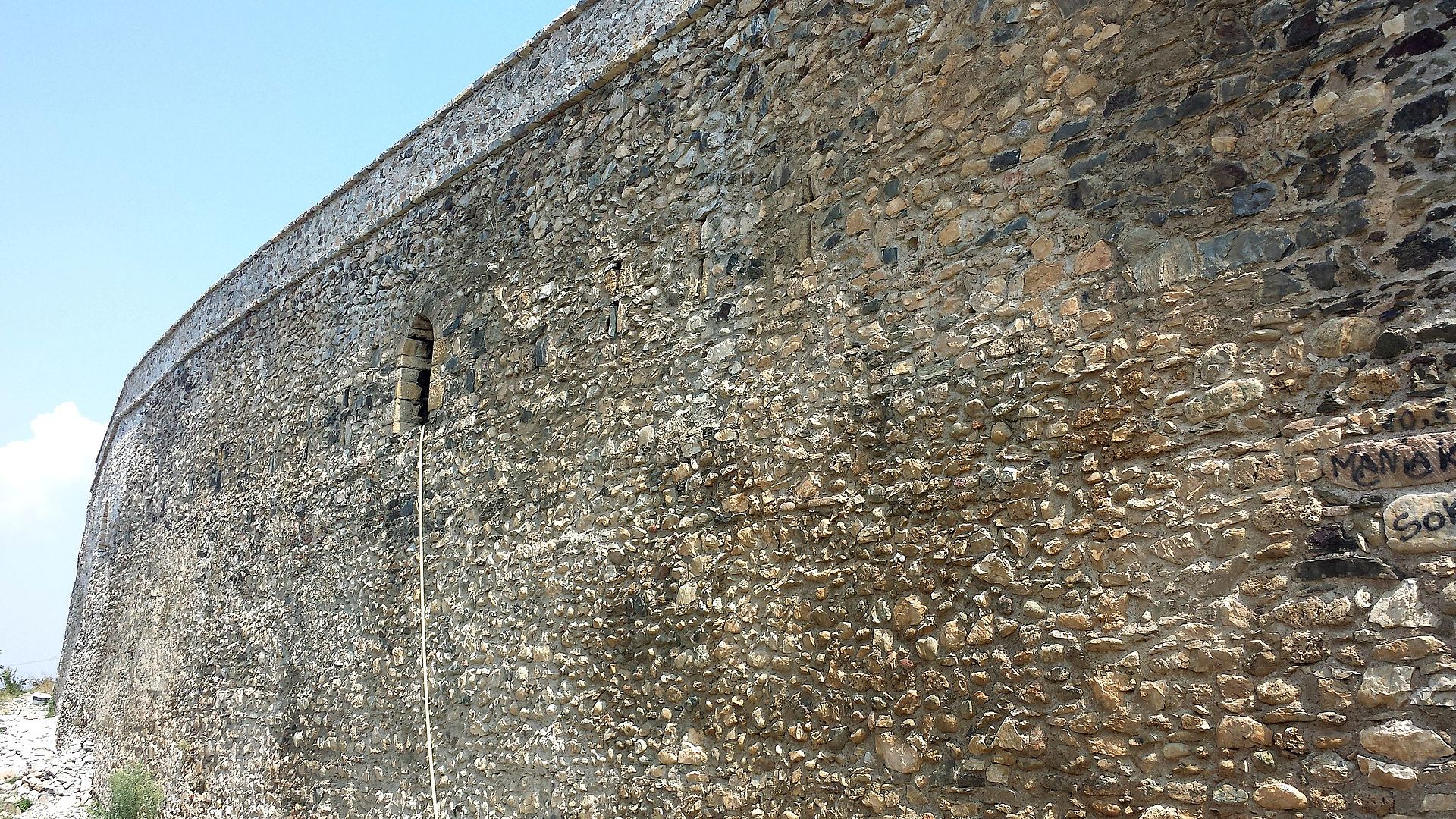
Prizren is Kosovo's most atmospheric old town: Ottoman mosques and hamam, Kalaja fortress above the Bistrica river, the most complete historic center in the western Balkans, and a compact scale that rewards slowing down.
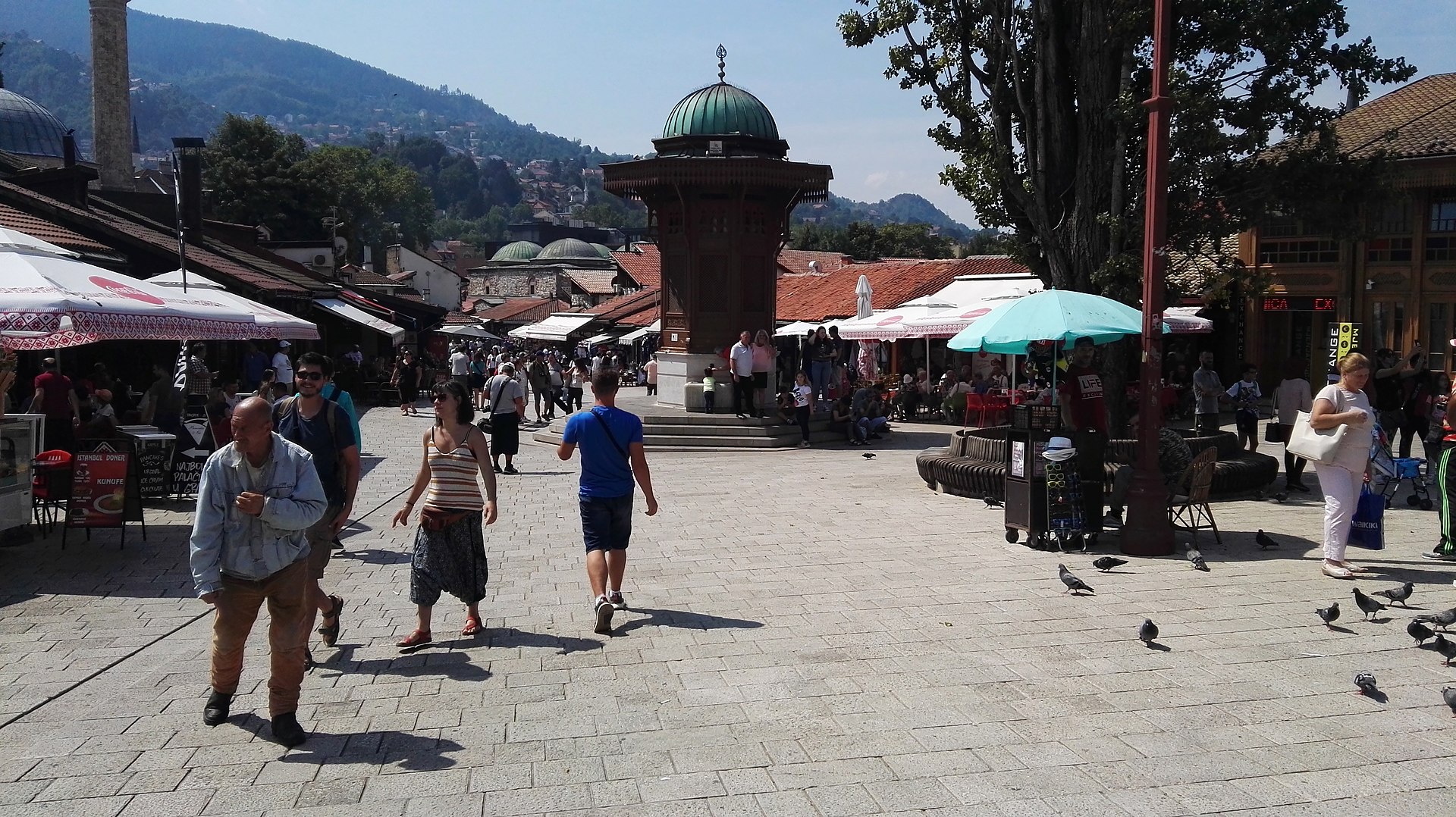
Sarajevo is one of the most layered city experiences in the Balkans: Ottoman Baščaršija bazaar, Austro-Hungarian streets, ćevapi culture, Yellow Fortress sunset viewpoint, and a city whose recent history is visible on every block.
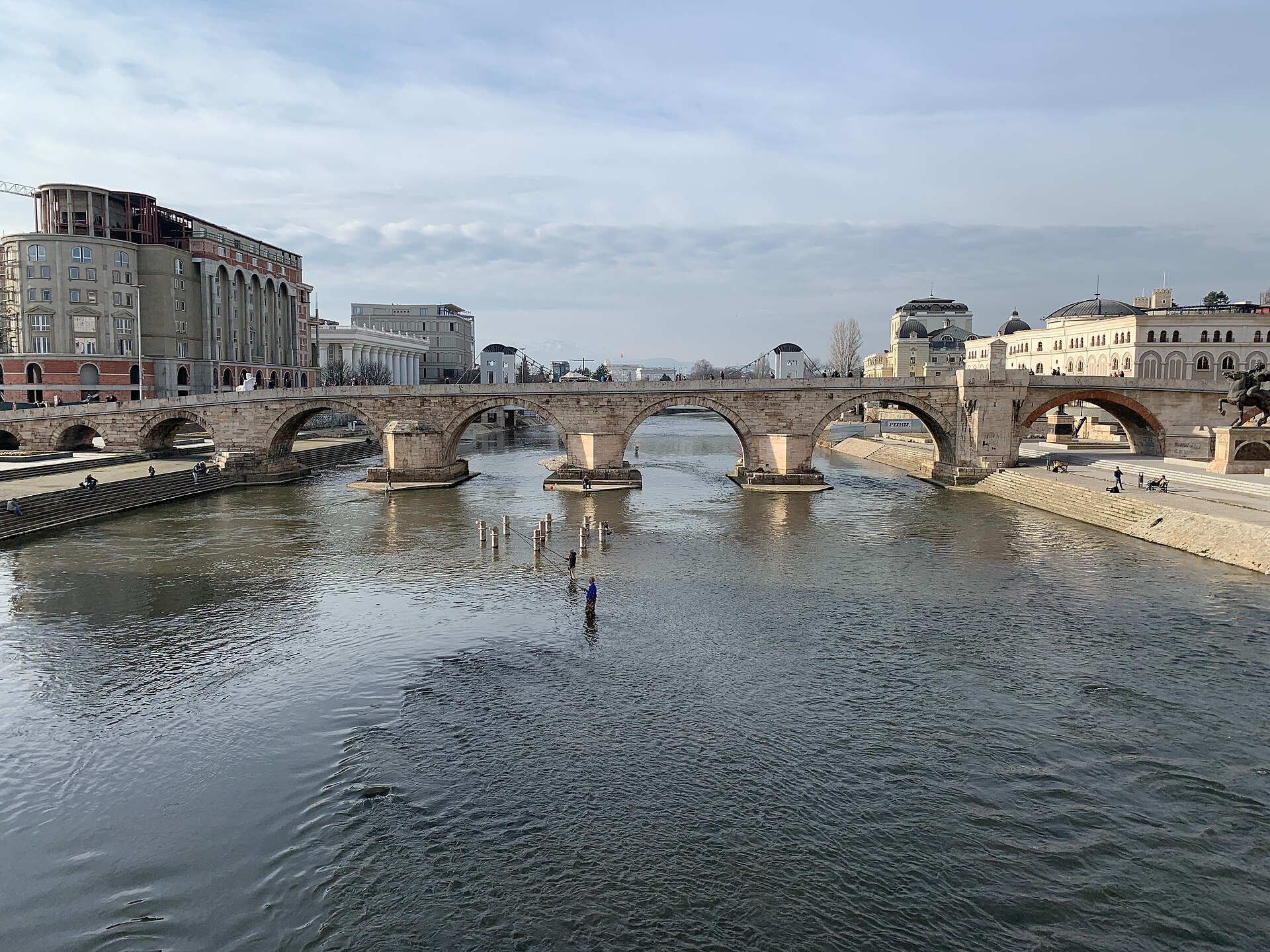
Skopje is North Macedonia's contrasting capital: ancient Ottoman Čaršija bazaar alongside baroque Skopje 2014 monuments, Millennium Cross on Vodno Hill, and Matka Canyon 15km outside the city.
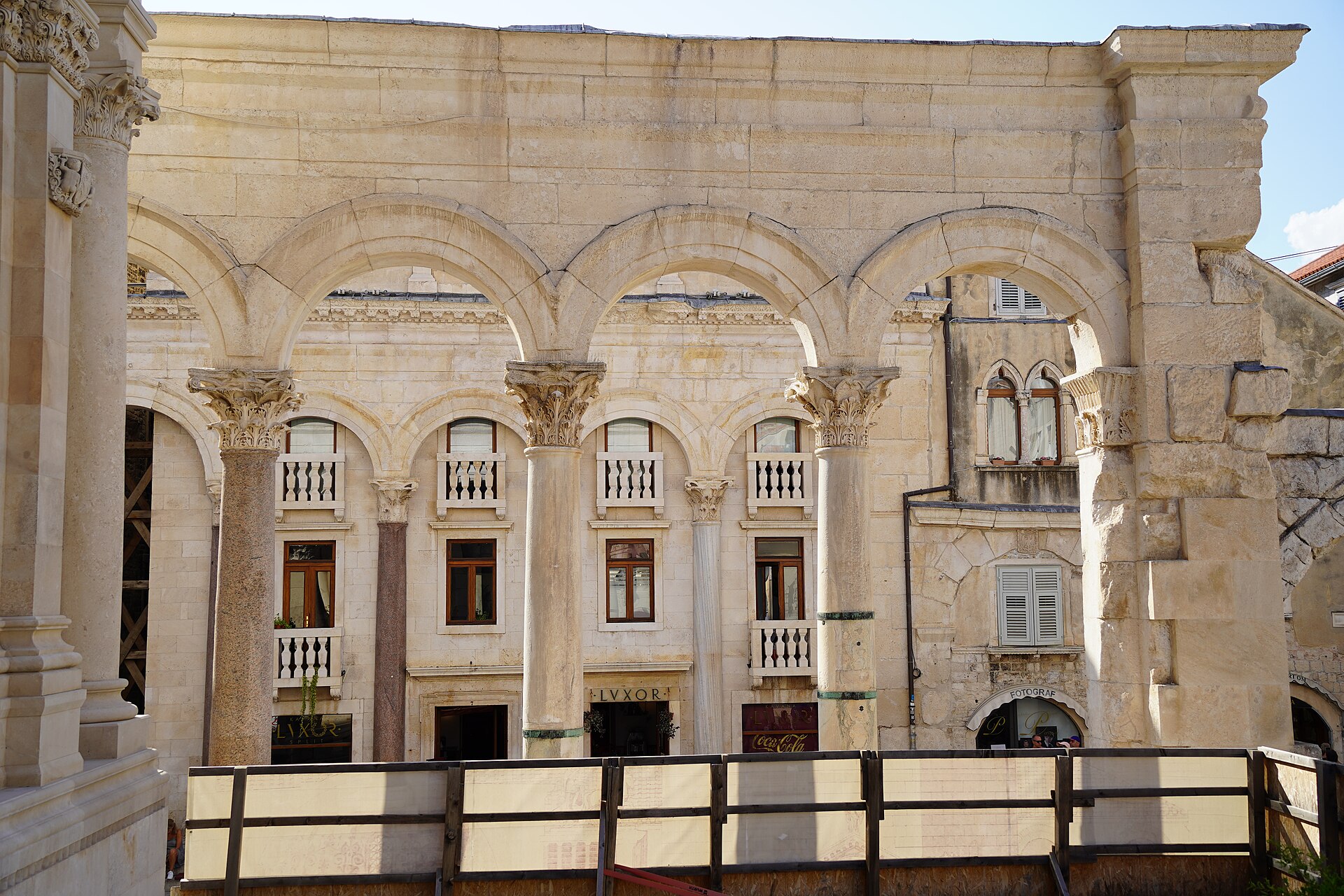
Split is Croatia's most useful coastal city: Diocletian's Palace still inhabited after 1,700 years, ferry connections to Hvar and Brač, Marjan Hill above the water, and a city that works equally well as a destination and a base.
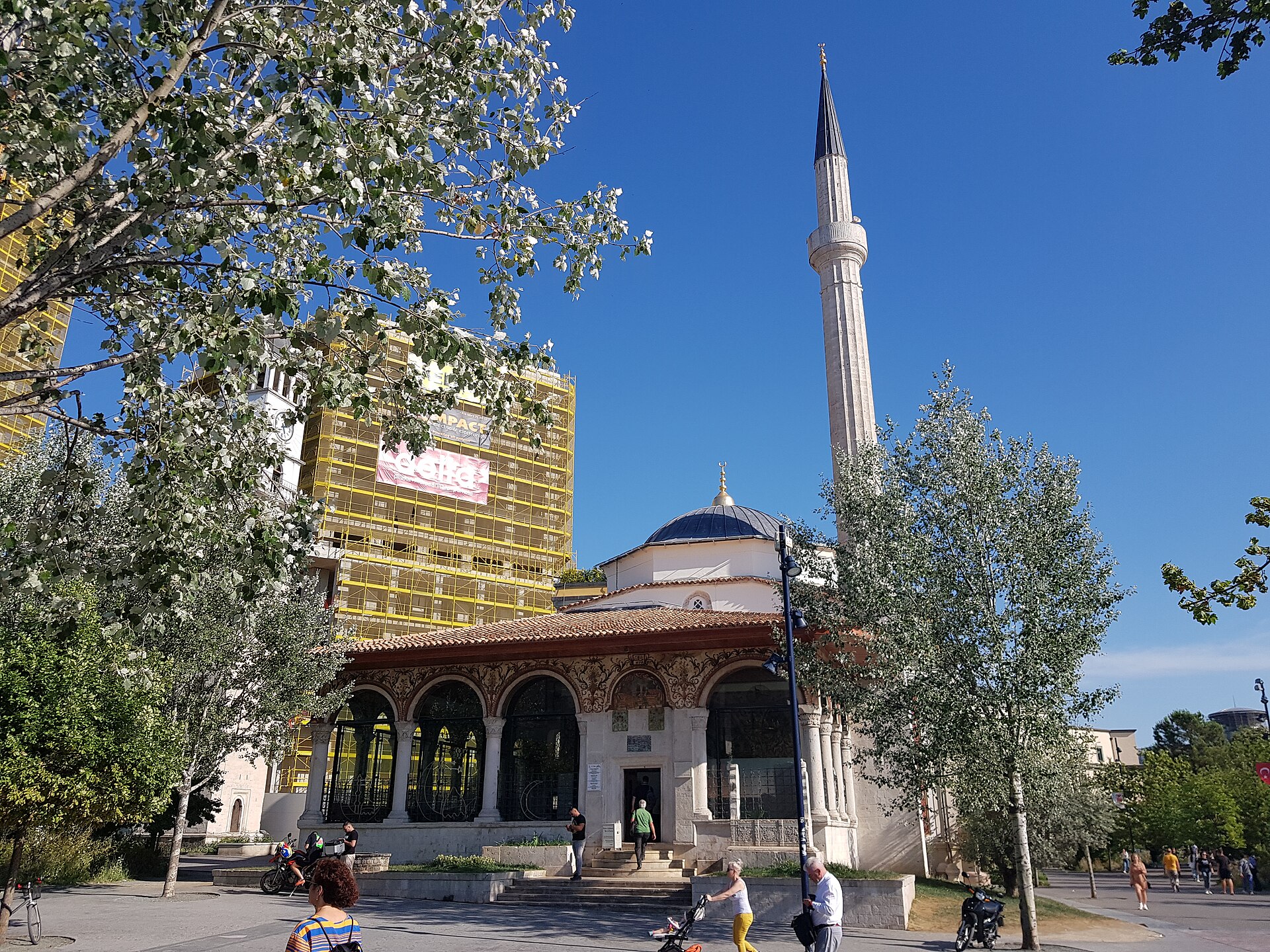
Tirana is Albania's fast-changing capital: Blloku neighborhood (once forbidden to ordinary Albanians, now the city's social center), Skanderbeg Square, a free secret-police museum, and some of the lowest café prices in Europe.
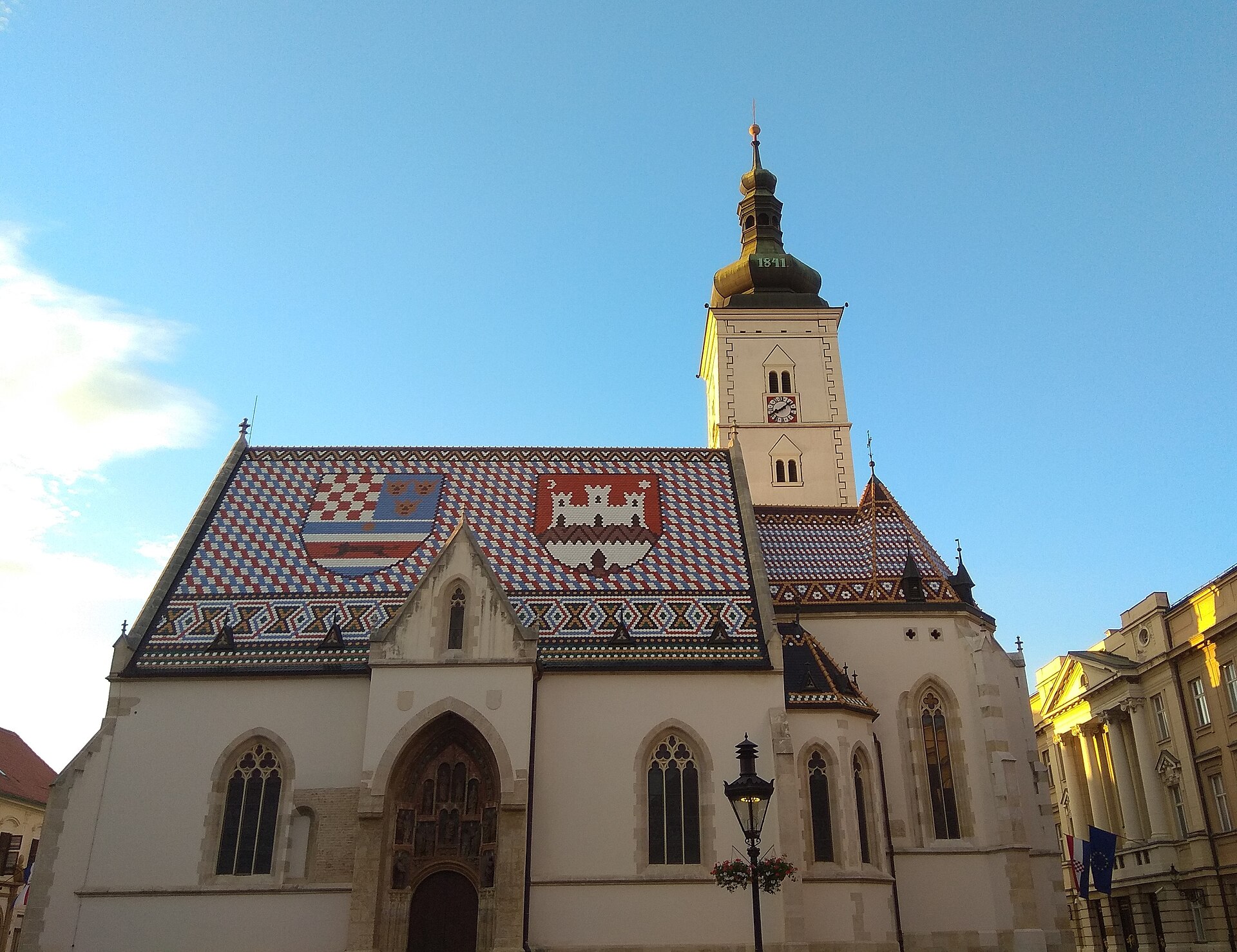
Zagreb is Croatia's polished capital: Gornji Grad upper town, world's shortest public funicular, Dolac open-air market, Tkalčićeva terrace street, and the cleanest city-break rhythm in the wider region.
Belgrade works well for food and nightlife, Novi Sad is calmer and easier to use, Budva is a simple Adriatic base, and Sarajevo stands out for atmosphere, food, and old-town character.
The goal is not to show every possible stop. It is to help you choose the right first base, the right neighborhood, and the right kind of short trip.
Each stay guide focuses on the areas that actually change the trip: walkability, food scene, nightlife, pace, and value.
The guides are built to answer the questions people usually have right before they commit: where to stay, how many days, when to go, and which place fits best.
Use these if you already know the city and want the best areas, the most useful hotel zones, and a faster shortlist.
These are the kinds of questions travelers usually search right before they decide on a city, a route, or a hotel area.
Mostar rewards staying overnight rather than day-tripping, but the area you choose changes the whole experience. Here is a practical guide to the main zones and who each suits best.
Two weeks is the ideal length for a first serious Balkans trip. Here is a practical route that covers the strongest cities and coastal stops without turning the journey into a rushed country-collecting exercise.
Everything you need to know about getting from Split to Dubrovnik by bus, ferry, or car — including the coastal road through Bosnia, ferry options, and which method fits which type of trip.
The area you choose in Dubrovnik changes the whole trip. Here is a practical guide to the main neighborhoods for first-time visitors — from the Old Town Edge to Lapad — and who each one suits best.
A practical 3-day Split itinerary for first-time Croatia visitors — covering Diocletian's Palace, the right base, day trip options, and how to use Split as a gateway without missing what makes it great on its own.
Novi Sad is one of the most underrated short breaks in the Balkans. Here is what makes it worth the trip and who it suits best.
We keep the homepage focused on what helps travelers most: choosing the right city, the right area, and the right next guide.
Some cities work better for nightlife, some for atmosphere, some for easy first-time travel. We try to make those differences clear early.
The right area usually matters more than the first property you click. Our city guides are structured to help you choose the base first.
We aim for practical shortlists, not giant generic roundups. That makes it easier to compare options without turning the whole trip into tab overload.
Budget-friendly routes to Belgrade, Dubrovnik, Sarajevo, and more.
Partner link Airport transfer — GetTransferFixed-price private transfer from the airport. No meter, no surprises.
Partner link eSIM for the Balkans — AiraloLocal data plan active before you land. Works across the whole region.
Partner link Travel insurance — EKTACoverage for delays, cancellations, and medical. From a few euros.
Partner link