Why visit Lake Bled?
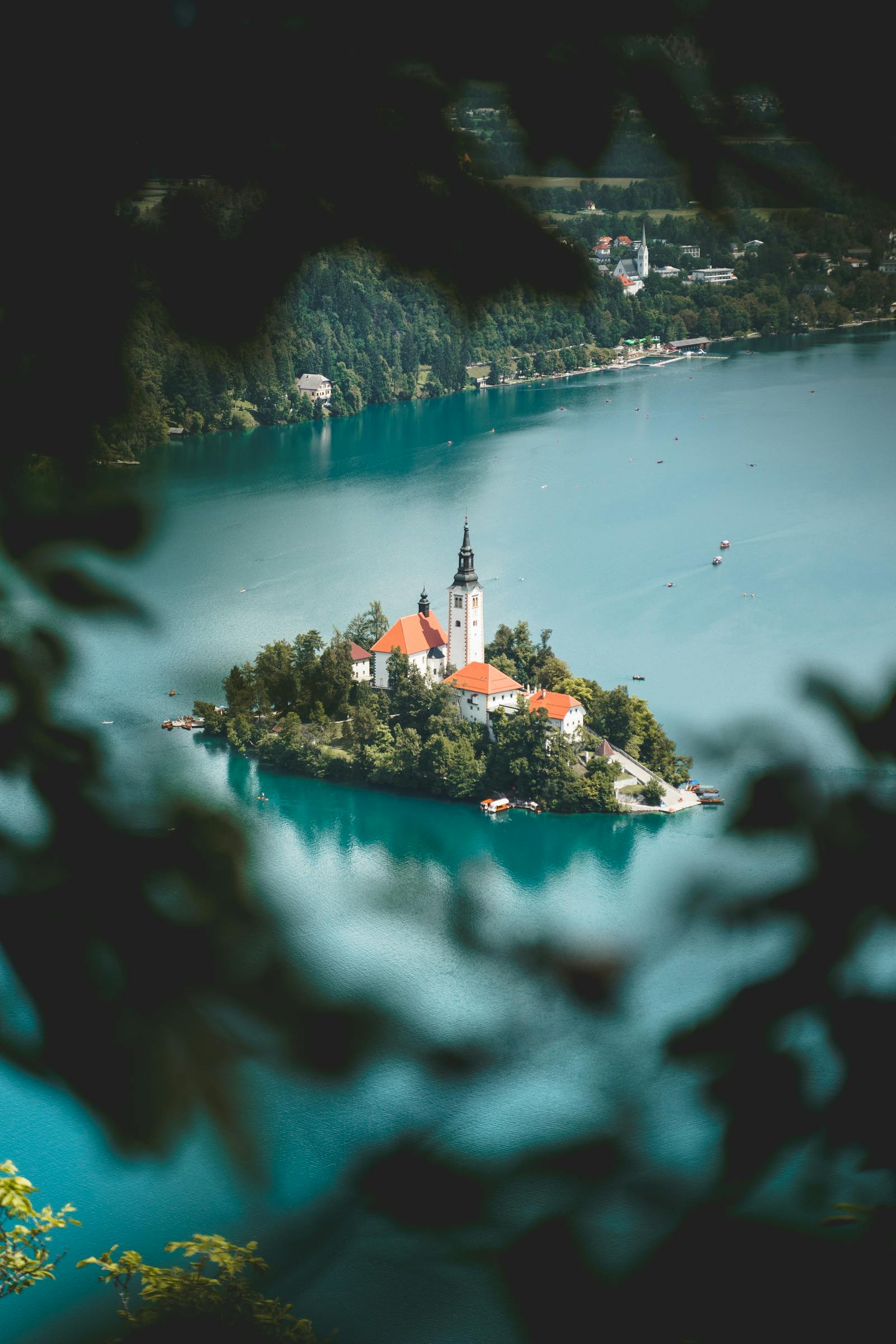
Lake Bled's most iconic view — island church, clifftop castle, Julian Alps behind — is earned quickly and without much effort, which is part of why the destination works as well as it does. The island church (Church of the Assumption) is reached by pletna boats, the traditional wooden gondolas that have been used on the lake since the 17th century. The crossing takes about 15 minutes each way and costs €15 per person; it includes time on the island to visit the church and ring the wishing bell in the tower. The boat ride itself, across still water toward the church, is the defining Bled experience and worth prioritizing over any viewpoint photograph.
Bled Castle sits 130 metres above the lake on a near-vertical cliff. Entry is €15 and includes access to the museum, a working printing press, and a wine cellar. The terrace at the top gives the clearest overhead view of the island and lake — this is the angle most people associate with Bled, and it is better in person than in photographs because the sense of scale takes a moment to register. The castle is best visited in the early morning or late afternoon when the light is softer and the group tours have not yet arrived.
Vintgar Gorge is 4km northwest of Bled and one of the strongest half-day additions. Wooden walkways run 1.6km through a narrow gorge cut by the Radovna river, ending at the Sum waterfall. Entry is €8. The gorge path is straightforward but the wooden boards over the water and the canyon walls make it feel more dramatic than a standard forest walk. Most visitors combine it with the lake in a single day. The kremsnita — a vanilla and cream cake specific to Bled, invented at the Park Hotel in 1953 — is available at most cafes around the lake. The version at the Park Hotel remains the reference point.
Need the practical booking angle next? Compare the best areas to stay in Lake Bled or keep browsing our Balkan travel guides before you book.
Airport
Ljubljana Airport
Currency
EUR
Ideal Trip
1-2 days
Trip Style
Scenic lake escape
Best for
Couples, first-time Slovenia visitors, travelers combining it with Ljubljana, photographers, and anyone who wants one easy and extraordinary scenic stop in Central Europe.
Best time to visit
May through September for the pletna boat trips and the warmest weather. July and August are peak season with the most visitors but also the greenest surroundings. October has beautiful autumn colours. Winter offers a very quiet, frosty version of the lake that some travelers specifically seek out.
Best areas to stay
Lakeside Center
Lakeside Center is the area closest to the lake shore loop, the pletna boat pier, and the main restaurants. The castle funicular and the lake circuit are within easy walking. Hotels here include some of the best-located properties in Bled. Mid-range hotels cost 90 to 160 EUR per night. Best for: first-time visitors who want maximum convenience and the lake immediately accessible.
Castle View Side
Castle View Side is a quieter area with views toward Bled Castle rather than directly onto the main lake loop. Slightly less busy than the central lakeside but still within easy walking of all main activities. Hotels and guesthouses run 80 to 150 EUR per night. Best for: travelers who want a calmer and slightly more scenic base.
Mlino Side
Mlino is a small village at the southeastern end of the lake, about 2 kilometers from the main town. The quietest Bled base with direct lake shore access and a genuinely local feel. Accommodation runs 70 to 130 EUR per night. Best for: travelers who want lake scenery with maximum calm and do not mind being slightly further from the main amenities.
Zasip Side
Zasip is a small village about 2 kilometers east of Bled, connected by a flat walking or cycling path to the lake. Very quiet with easy driving access and lower prices. Guesthouses and apartments cost 60 to 110 EUR per night. Best for: travelers with a car who want extra space, village atmosphere, and lower prices than the lakeside centre.
Things to do
Prioritize the lake loop and viewpoints
Bled works best when travelers treat the views, lakeside walking, and slow scenic pacing as the main event.
Keep the itinerary light
One of Bled's strengths is how easy it is to enjoy without overplanning every hour.
Use it as a scenic reset in a wider route
Bled is often strongest when it breaks up a busier multi-city trip with one calmer and more polished stop.
How many days work best in Lake Bled?
Lake Bled is usually strongest when travelers plan roughly 1-2 days and then build the stay around one clear trip style instead of trying to force every possible sight into the schedule. In practice, the better approach is to choose the right neighborhood, keep the daily rhythm realistic, and leave room for food, walking, and one slower part of the day. That is usually what turns a city from a checklist stop into a place that actually feels memorable.
What first-time visitors should prioritize
For a first visit, the smartest strategy is usually to make location decisions early and activity decisions later. Travelers often overthink the day plan and underthink the base. In Lake Bled, the right area usually shapes whether the trip feels walkable, polished, and easy or slightly harder than it needs to be. Once the base is correct, the rest of the trip tends to fall into place much more naturally.
Easy itinerary pairings
If Lake Bled is only one stop in a wider Balkans route, two of the cleanest pairings are Ljubljana for an easy city-and-scenery Slovenia pairing and Zagreb if the wider route needs one polished capital after the lake stay. The best pairing depends on whether you want the next stop to raise the energy, slow the pace down, or add a stronger scenic contrast. That kind of contrast usually creates a better multi-stop trip than choosing two cities that feel too similar.