Quick introduction
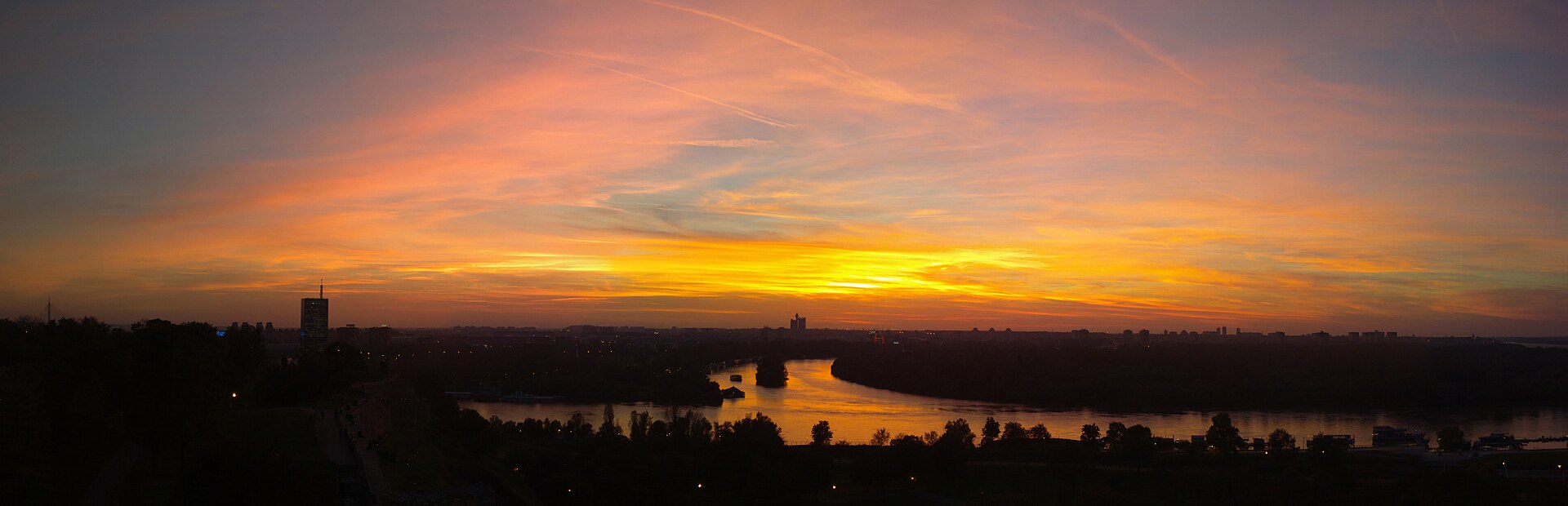
Belgrade's strongest feature is not any single landmark but the way the city layers into one coherent experience. Kalemegdan fortress occupies the high point where the Sava meets the Danube, and the view from the upper ramparts gives an immediate sense of why this site has been fought over for two thousand years. The moat, the Roman gate, and the cannon park are all free to walk — the National Museum inside charges entry, but the grounds alone justify an hour. The fortress park below blends into the city almost without a seam, and locals use it for morning walks the same way they have for decades.
From Kalemegdan the natural next move is down into Skadarlija, the cobbled bohemian street that holds the city's best traditional kafanas. Tri Šešira and Dva Jelena are the best-known names — both are genuine old restaurants with live music most evenings rather than tourist imitations. A full meal with drinks lands between 1,500 and 2,500 RSD (around €13-22). The street is short enough to walk in five minutes, and the atmosphere is strongest after 8pm when the tables fill.
The other side of Belgrade — Savamala, below the Brankov bridge — is the city's creative and nightlife quarter. Old factory buildings now hold clubs, galleries, and coffee shops. The floating clubs (splavi) line the Sava riverbank from here south through Ada Huma. In summer, Ada Ciganlija, the lake island 5km from the center, functions as a free urban beach with cafes, volleyball courts, and kayak rental. It is the kind of place that does not exist in Western European cities at the same price and freedom. A coffee in the center costs around 150 RSD (€1.30); a sit-down lunch in a local restaurant is rarely more than €6-8.
Still deciding if Belgrade is the right base overall? Open the full Belgrade destination guide first, then come back here to compare neighborhoods and properties.
Best neighborhoods
Stari Grad
Stari Grad is the historic core of Belgrade and the easiest base for a first visit. Kalemegdan Fortress is here, Knez Mihajlova pedestrian street runs through it, and the main sights are within walking distance. Hotels run roughly 70 to 120 EUR per night. Best for: first-time visitors, short stays of two to three nights.
Dorcol
Dorcol is the most interesting neighborhood in Belgrade right now -- a mix of older building stock, independent restaurants, bars, and the best cafe scene in the city. The streets between Cara Dusana and the Danube waterfront are where most of the best food and nightlife is concentrated. Apartments here typically cost 65 to 110 EUR per night. Best for: food-focused travelers, repeat visitors, anyone who wants the most current version of the city.
Vracar
Vracar is a residential neighborhood south of the centre with excellent cafe culture and the Church of Saint Sava -- one of the largest Orthodox churches in the world. The pace is calmer than Stari Grad and the streets feel more genuinely local. Hotels and apartments run 60 to 100 EUR per night. Best for: couples, longer stays of four or more nights, travelers who want Belgrade to feel like a real city rather than a tourist destination.
New Belgrade
New Belgrade (Novi Beograd) is across the Sava river from the main city and requires a bus or taxi for every visit to the historic center. It has modern hotels, conference facilities, and easier parking. Transit to the old town adds 20 to 30 minutes each way. Only worth considering for specific conference or business stays, or travelers who specifically need the Blok 45 area.
How to choose the right base in Belgrade
The best place to stay in Belgrade depends less on star rating and more on the shape of the trip. If you want atmosphere first, staying near Stari Grad is often the cleanest answer. If you care more about sleep quality, easier arrivals, or slightly better value, Dorcol or a comparable nearby area usually works better. The goal is not to book the objectively best hotel. The goal is to book the base that matches your pace.
Common booking mistakes to avoid
The most common mistake is choosing a property only because the nightly rate looks attractive, while ignoring how the location changes the trip. In Belgrade, that often leads to extra transfers, weaker evening atmosphere, or a stay that feels less aligned with the reason you chose the city in the first place. A second common mistake is leaving the booking too late, especially if the most useful neighborhoods only have a handful of strong-value options.