Why visit Dubrovnik?
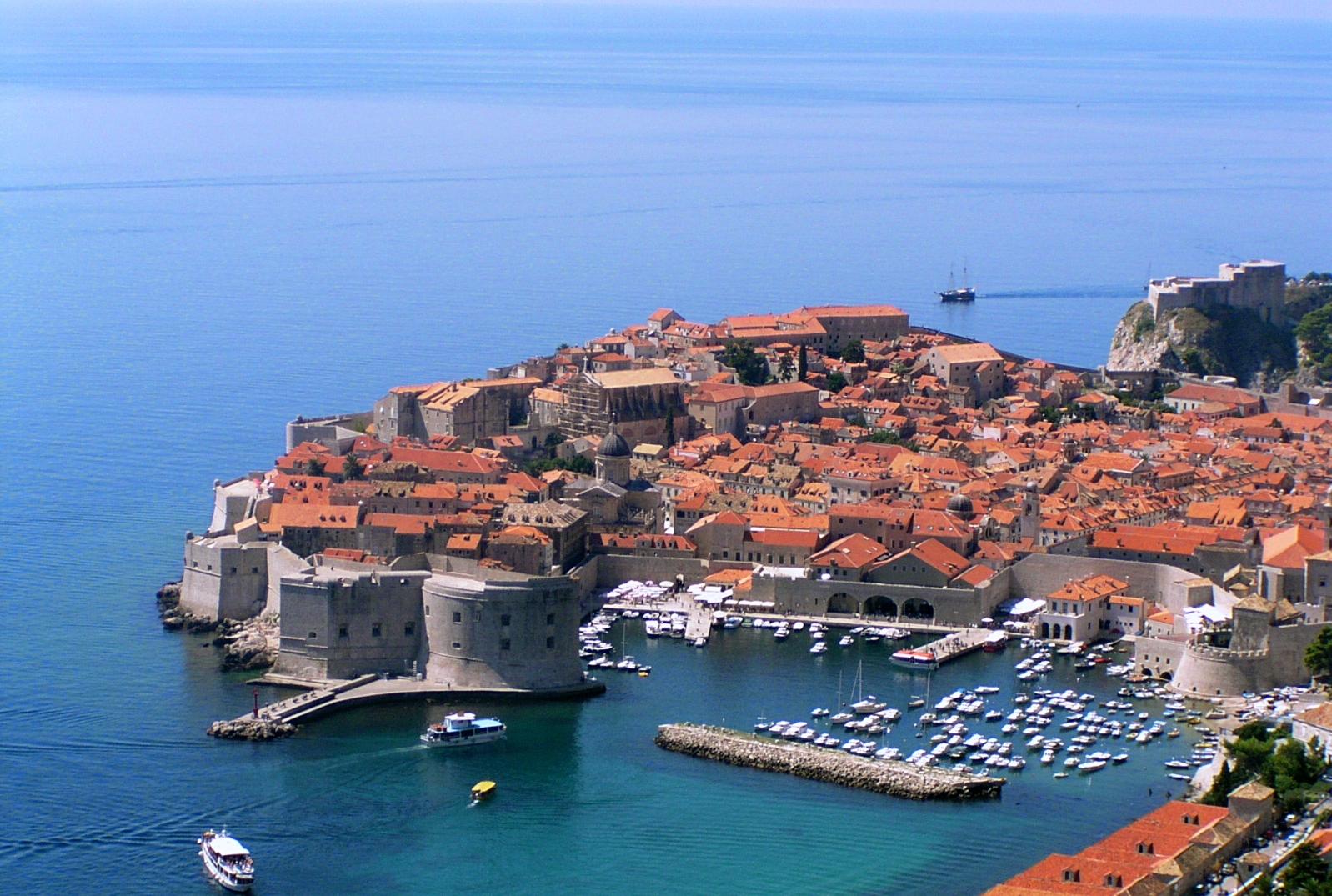
The city walls run approximately 2 kilometres around the old town perimeter, reaching heights of 25 metres in sections. Walking the full circuit takes 1.5-2 hours at a relaxed pace. The standard adult ticket is €35 (2025 pricing); the Pile Gate entrance is the most common starting point. The best light for the walls is before 9am, before cruise ship arrivals, and again from 5pm onward. July and August are the highest-volume months — timing the walls walk by even an hour or two makes a visible difference to the experience.
Stradun (also called Placa) is the main street running 292 metres from the Pile Gate to the Ploče Gate. The limestone pavement has been polished by centuries of foot traffic and reflects light in a way that makes even ordinary photographs look considered. The Sponza Palace at the eastern end and the Orlando Column at the center are the structural references. Most of what visitors want to see in the old town falls within a few minutes of this axis.
Lokrum Island is 10 minutes by ferry from the Old Port (departures every 30-45 minutes in season, included in the €15 national park fee). The island holds a Benedictine monastery with peacocks in the cloister, a saltwater lake connected to the sea (popular for swimming), and no cars. A circuit of the island takes 2-3 hours. The cable car up to Srđ Hill (€27 return) gives the overhead view and is the best orientation point — useful for understanding the city layout and strong for photography. Dubrovnik was used as King's Landing in Game of Thrones, and several filming locations are marked and accessible on a walking route through the old town.
Need the practical booking angle next? Compare the best areas to stay in Dubrovnik or keep browsing our Balkan travel guides before you book.
Airport
Dubrovnik Airport
Currency
EUR
Ideal Trip
2-3 days
Trip Style
Scenic premium short break
Best for
Couples, first-time Adriatic visitors who want one iconic experience, travelers who can visit in shoulder season, and anyone whose trip needs one premium visual highlight.
Best time to visit
May, June, September, and October are significantly better than July and August for almost every reason: fewer crowds, lower prices, more comfortable temperatures, and more enjoyable access to the walls and old town. The sea is still warm for swimming in September and October.
Best areas to stay
Old Town Edge
The Old Town Edge area, immediately outside the Pile gate (western entrance) and Ploce gate (eastern entrance), gives the easiest access to the walled city. A 5-minute walk puts you at the main Stradun street. Hotels here cost 130 to 220 EUR per night in peak season. Best for: first-time visitors who want maximum convenience for the walls walk and main sights without paying inside-the-walls prices.
Ploce
Ploce is an upscale residential area east of the old town with some of Dubrovnik's most polished hotels and villa properties. Quieter than the old town core, with views over the sea and easy access to the Banje beach. Hotels run 150 to 300 EUR per night. Best for: couples and travelers who want a premium Dubrovnik stay with a calmer base.
Lapad
Lapad is a peninsula about 3 kilometers west of the old town with a good range of mid-range hotels and a popular local beach (Lapad beach). Requires a bus (about 10 to 15 minutes) or taxi to reach the old town. Hotels cost 90 to 160 EUR per night in peak season -- significantly less than equivalent quality near the old town. Best for: families, budget-conscious travelers, and anyone doing a longer Dubrovnik stay.
Gruz
Gruz is the main port area with the ferry terminal for connections to the islands and Montenegro. Very practical for travelers with ferry connections. Some good value apartments available. Hotels cost 80 to 140 EUR per night. Best for: travelers who need ferry access, anyone on a tight budget, and those with early morning boat connections.
Things to do
Time the old town carefully
Early and late hours often change Dubrovnik from crowded to genuinely memorable.
Choose the area before you choose the hotel
In Dubrovnik, location often matters more than star category for the overall trip feel.
Keep the itinerary compact
Dubrovnik usually works best as a polished short stay, not as a city you try to overfill.
How many days work best in Dubrovnik?
Dubrovnik is usually strongest when travelers plan roughly 2-3 days and then build the stay around one clear trip style instead of trying to force every possible sight into the schedule. In practice, the better approach is to choose the right neighborhood, keep the daily rhythm realistic, and leave room for food, walking, and one slower part of the day. That is usually what turns a city from a checklist stop into a place that actually feels memorable.
What first-time visitors should prioritize
For a first visit, the smartest strategy is usually to make location decisions early and activity decisions later. Travelers often overthink the day plan and underthink the base. In Dubrovnik, the right area usually shapes whether the trip feels walkable, polished, and easy or slightly harder than it needs to be. Once the base is correct, the rest of the trip tends to fall into place much more naturally.
Easy itinerary pairings
If Dubrovnik is only one stop in a wider Balkans route, two of the cleanest pairings are Kotor for a more intimate scenic Montenegro contrast and Split if you want two polished Croatia bases. The best pairing depends on whether you want the next stop to raise the energy, slow the pace down, or add a stronger scenic contrast. That kind of contrast usually creates a better multi-stop trip than choosing two cities that feel too similar.