Why visit Ljubljana?
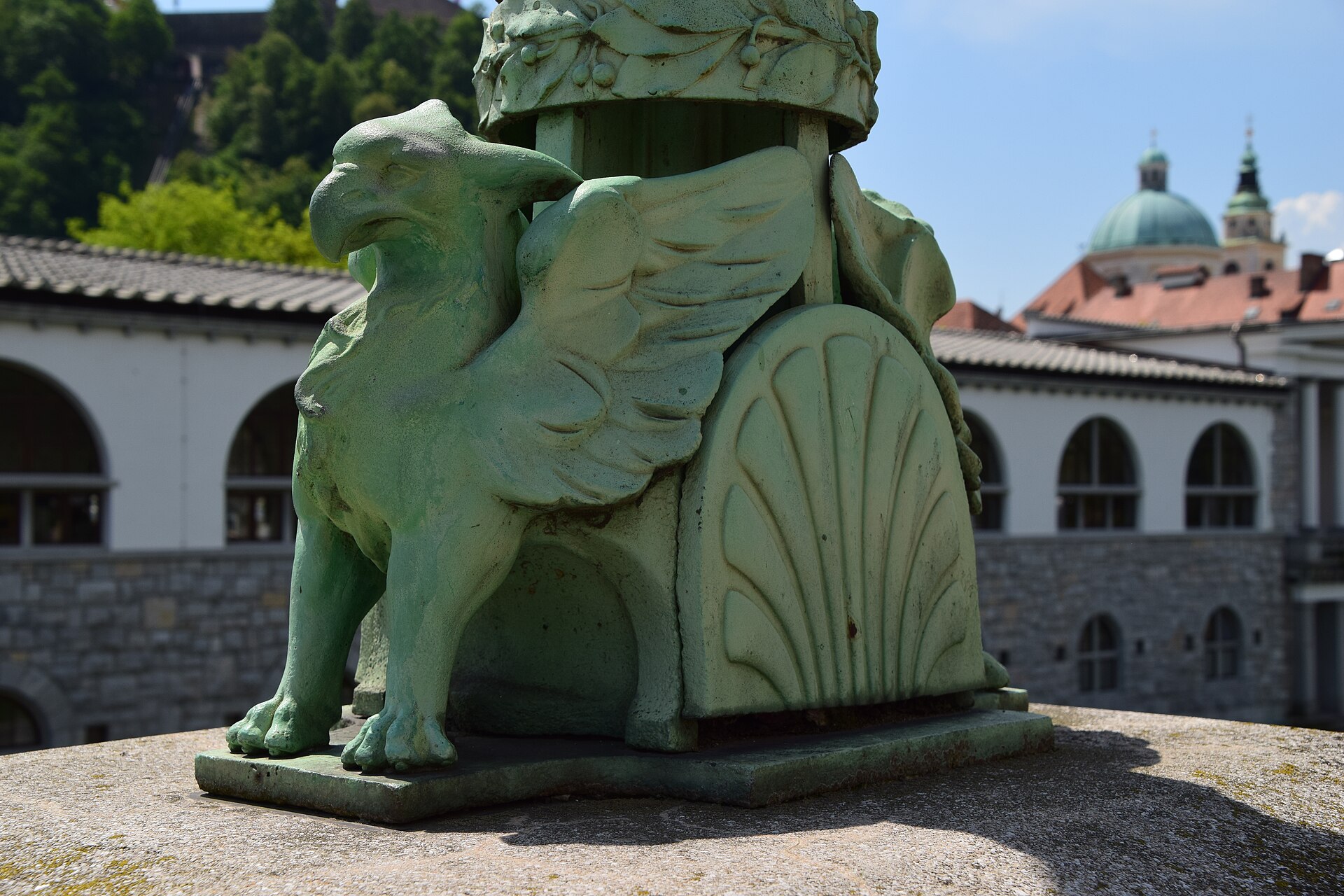
Ljubljana organizes itself around the Ljubljanica river, and most of what you need is within ten minutes of the embankment. Dragon Bridge is the most recognizable crossing — four large bronze dragons guard the corners, and they are the symbol of the city. The mythology connects them to Jason of the Argonauts, who is said to have killed a dragon in the marsh where Ljubljana now stands. Whether you engage with the legend or not, the dragons are more visually confident than most bridge decoration elsewhere in Europe.
The Triple Bridge (Tromostovje) is the work of Jože Plečnik, the Slovenian architect who shaped a substantial portion of Ljubljana's public space in the first half of the 20th century. The original crossing was a single stone bridge; Plečnik added two flanking pedestrian spans in 1931. The three-bridge effect is unusual enough to stop and understand. Plečnik's presence in Ljubljana extends well beyond the Triple Bridge — the covered market along the river, the National and University Library (rough stone exterior, marble interior staircase), and the Žale cemetery gates. Following his buildings creates a coherent architectural afternoon.
Ljubljana Castle sits on the hill directly above the old town and is reachable either by the funicular from the center (€4 return) or by a 30-minute walk through forested paths above Gornji Trg. The main reason to make the trip is the 360-degree city view and the virtual reality tour of the castle's history inside. Metelkova, a few minutes northeast of the train station, is the city's autonomous cultural zone — former Yugoslav military barracks converted after independence into galleries, clubs, and alternative art spaces. It operates most actively Thursday through Saturday evenings.
Need the practical booking angle next? Compare the best areas to stay in Ljubljana or keep browsing our Balkan travel guides before you book.
Airport
Ljubljana Airport
Currency
EUR
Ideal Trip
2-3 days
Trip Style
Polished short city break
Best for
Couples, first-time Slovenia visitors, architecture enthusiasts, cafe culture lovers, and travelers who want a polished, low-friction European city break with easy access to Bled.
Best time to visit
May through September for the riverside terrace culture and Bled day trips. December for the Advent market, one of the most popular in Central Europe. April and October are comfortable and less crowded. January through March is the quietest period.
Best areas to stay
Old Town Core
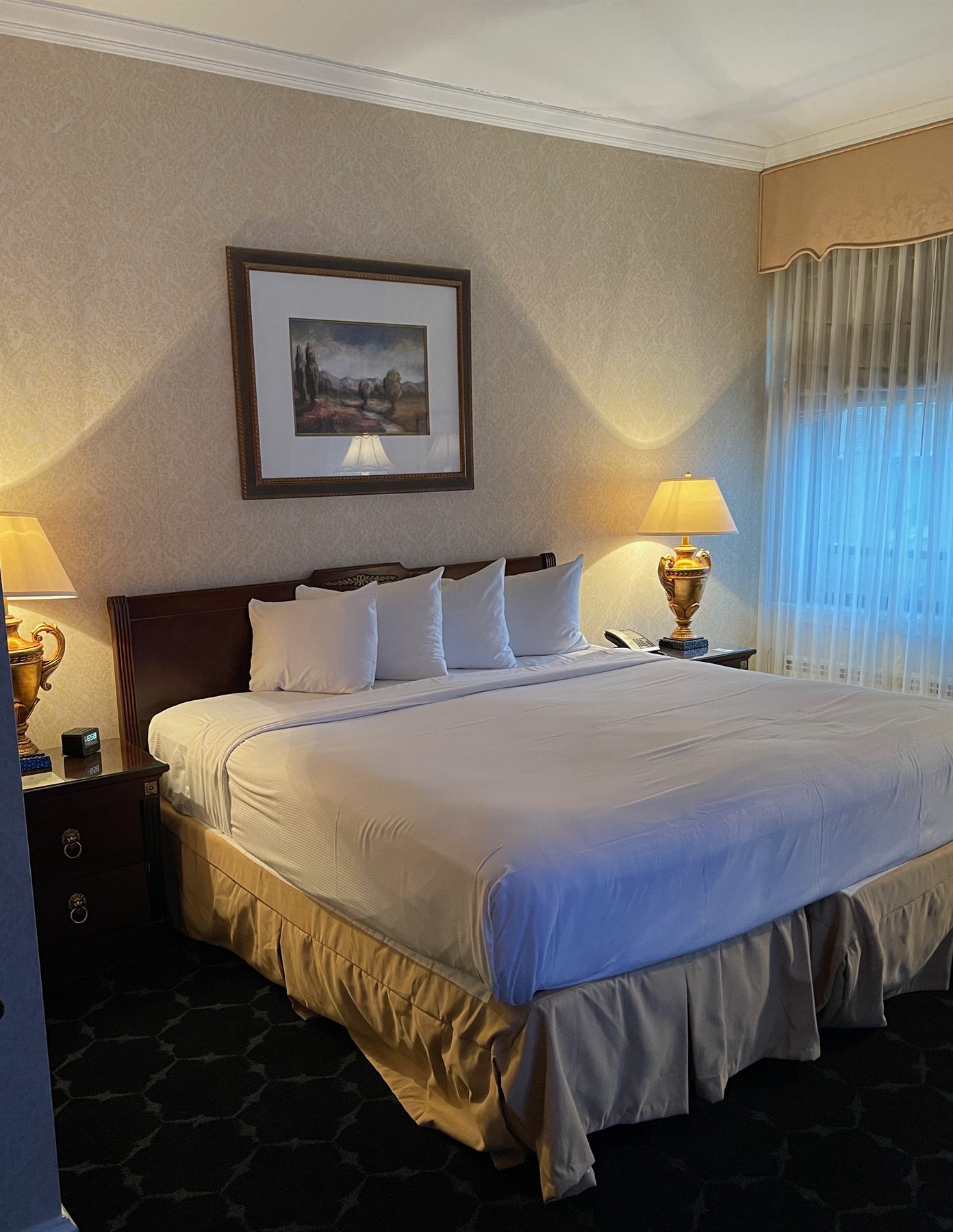
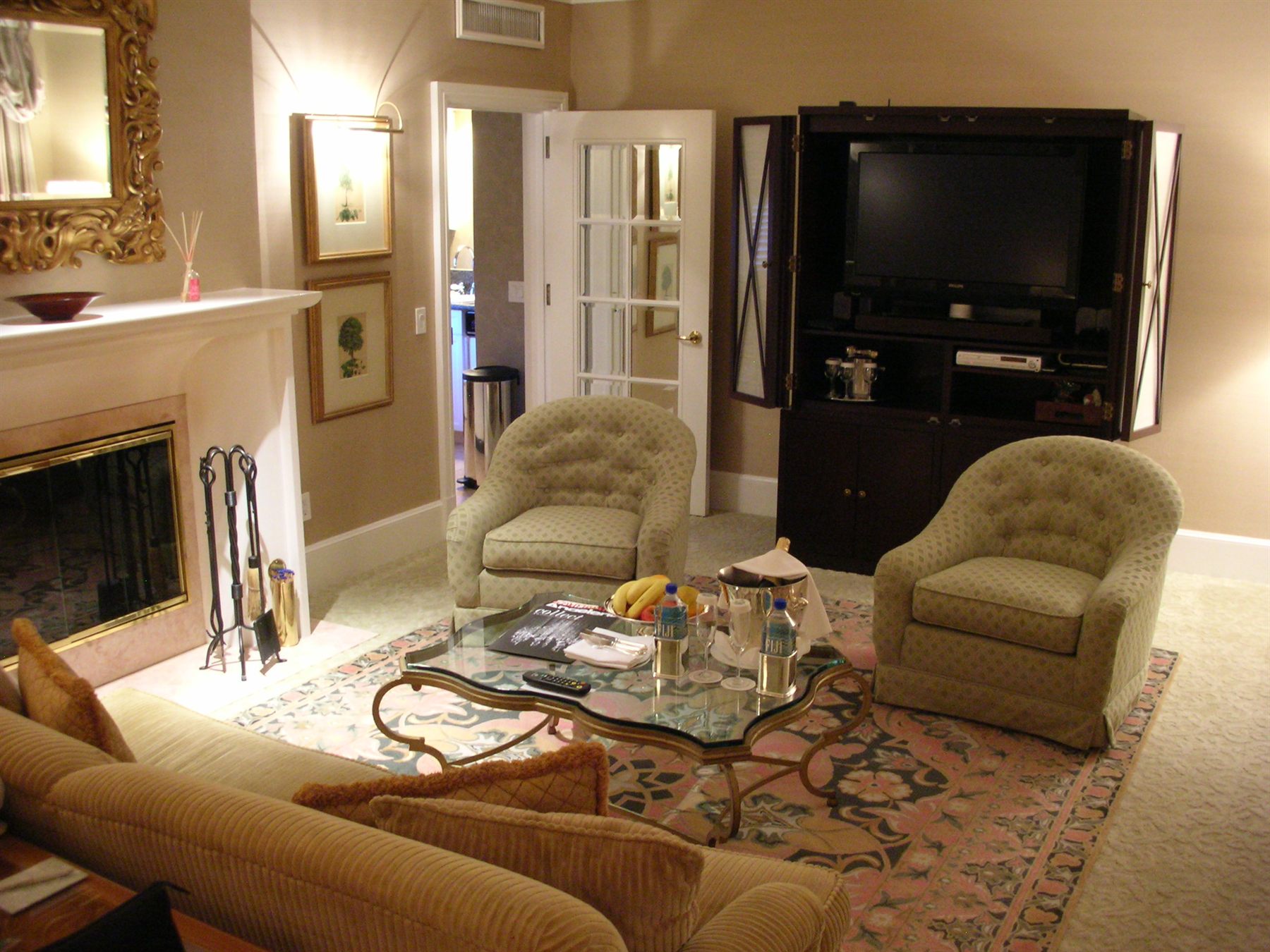
The Old Town Core around the Ljubljanica river, the Triple Bridge, and the covered market is the most atmospheric Ljubljana base. The castle funicular, the best cafes, and the main pedestrian area are all within walking distance. Boutique hotels and apartments cost 100 to 180 EUR per night. Best for: first-time visitors, couples, and anyone who wants the river and old-town character immediately outside the door.
Riverside
The Riverside area extends along the Ljubljanica river slightly away from the most central blocks. Equally close to the main sights but with a slightly calmer feel. Hotels and apartments run 90 to 160 EUR per night. Best for: travelers who want old-town proximity without being in the most tourist-heavy streets.
Trnovo and Krakovo
Trnovo and Krakovo are quiet residential neighborhoods south of the old town, near the river, with some of the best independent cafes and restaurants in Ljubljana. A 10-minute walk to the main sights. Apartments and guesthouses cost 75 to 130 EUR per night. Best for: travelers who want a local neighborhood feel and easy riverside walks.
Metelkova and Railway Side
The Metelkova and railway station area is the most practical base for travelers arriving by train or bus. Metelkova itself is Ljubljana's alternative culture quarter with nightlife and street art. Hotels near the station cost 80 to 140 EUR per night. Best for: travelers arriving by rail and anyone interested in the alternative culture scene.
Things to do
Lean into the city's easy walkability
Ljubljana's main strength is how quickly it becomes comfortable and low-friction.
Use riverside time as part of the trip
This is one of the easiest cities in the region for relaxed cafe and evening pacing.
Keep expectations focused on polish, not intensity
Ljubljana tends to win travelers over through ease and atmosphere rather than scale.
How many days work best in Ljubljana?
Ljubljana is usually strongest when travelers plan roughly 2-3 days and then build the stay around one clear trip style instead of trying to force every possible sight into the schedule. In practice, the better approach is to choose the right neighborhood, keep the daily rhythm realistic, and leave room for food, walking, and one slower part of the day. That is usually what turns a city from a checklist stop into a place that actually feels memorable.
What first-time visitors should prioritize
For a first visit, the smartest strategy is usually to make location decisions early and activity decisions later. Travelers often overthink the day plan and underthink the base. In Ljubljana, the right area usually shapes whether the trip feels walkable, polished, and easy or slightly harder than it needs to be. Once the base is correct, the rest of the trip tends to fall into place much more naturally.
Easy itinerary pairings
If Ljubljana is only one stop in a wider Balkans route, two of the cleanest pairings are Zagreb for a slightly bigger-city follow-up and Bled or nearby day trips if the goal is ease over mileage. The best pairing depends on whether you want the next stop to raise the energy, slow the pace down, or add a stronger scenic contrast. That kind of contrast usually creates a better multi-stop trip than choosing two cities that feel too similar.