What July means for Balkans travel
July is the Balkans at full summer intensity. The Adriatic coast is warm — sea temperatures hit 24-26°C — the days are long, the festivals are running, and cities and beaches are operating at maximum social energy. It is also the month with the highest prices, the most crowd pressure on iconic sights, and the least flexibility for spontaneous travel decisions in popular destinations. The key to a good July Balkans trip is choosing the right destination for what July actually offers rather than trying to have a September experience in peak season.
The Adriatic coast in July: Split, Kotor, and Budva
Split in Croatia is the best-balanced coastal city for July. The old town around Diocletian's Palace is busy, but the city is large enough that crowds disperse rather than compress. The ferry connections to Hvar and Brač give the trip variety without requiring complex logistics, and the beach options — from the city beach at Bačvice to Marjan Hill's forested coves — are diverse enough that you can find space even in peak season. July prices in Split are high but not at Dubrovnik levels.
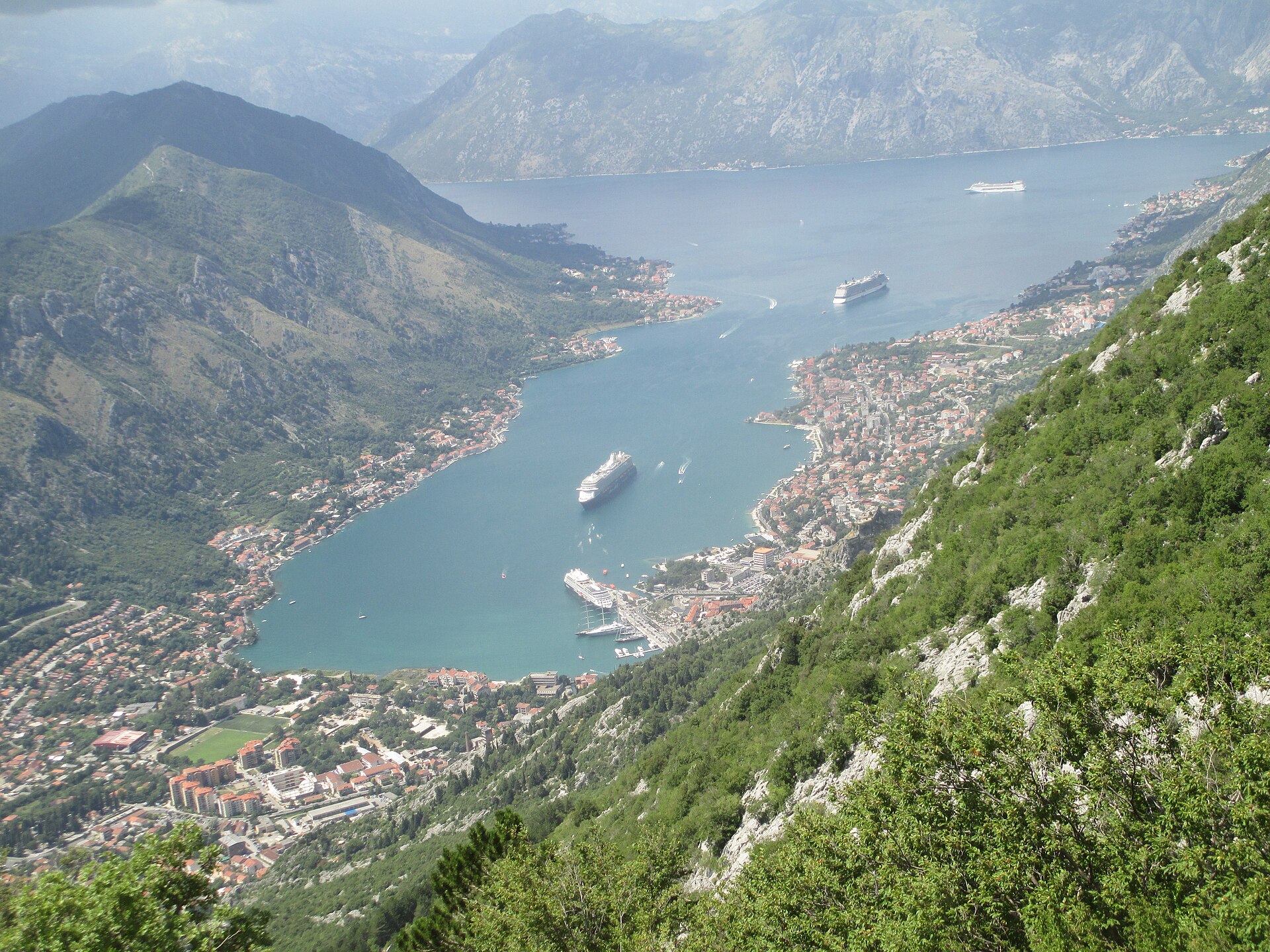
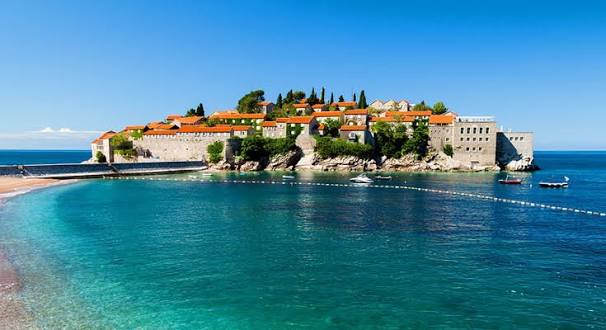
Kotor in Montenegro is the best walled-city pick for July if you manage timing correctly. The old town gets cruise ship arrivals from 10am to 4pm on most summer days, which means early-morning and evening visits to the walls and lanes are genuinely good, while midday is better spent up at the fortress or out of the old town entirely. The bay views and the fortress climb (1,355 steps to St John, €8) are at their most colourful in clear July light. Budva, 30km south, gives easier beach access and a more resort-oriented experience for travelers who want the coast to be the primary activity.
The case for the interior in July: Belgrade and Sarajevo
Belgrade in July is hot — regularly above 33-35°C — but the city is built for exactly this temperature through its outdoor culture. The floating clubs (splavi) on the Sava riverbank operate through the night. Ada Ciganlija lake beach fills with locals from early morning. The food scene runs as well in July as any other month, and the prices are lower than the coast. For travelers who want energy, food, and nightlife without coastal prices or crowds, Belgrade in July is one of the best options in the region.
Sarajevo in July is cooler than the coast because of its elevation (500-600 metres above sea level) and is a genuinely good choice for travelers who want city atmosphere without beach priorities. The old town stays busy with visitors through the day, but the Yellow Fortress viewpoint at sunset, the Baščaršija evening pace, and the surrounding hills for short hikes all work especially well in July when the longer days give more usable time.
The hidden July pick: Ohrid
Lake Ohrid in July is one of the best alternatives to the Adriatic for travelers who want warm water and scenic surroundings at a fraction of the coastal cost. The lake hits 22-24°C by July, which is warm enough for comfortable swimming from the old-town rocks and the Gradiste beach. The Ohrid Summer Festival runs through July and August with open-air concerts at the Church of St John at Kaneo — one of the more unusual concert settings in Europe. Accommodation in Ohrid in July costs significantly less than equivalent options in Dubrovnik or Split. The city is busy in July but not at Adriatic-scale crowd levels.
What to approach carefully in July
Dubrovnik in July is the most challenging Adriatic experience because the combination of cruise ship day visitors and hotel guests can fill the old town beyond comfortable capacity by midday. It is still worth doing — the walls walk before 9am is genuinely excellent and the evening atmosphere is strong — but it requires more management than any other destination on this list. Bled in Slovenia is similarly busy in July, with parking pressure and trail queues on the lake path. Both destinations reward early starts and careful timing rather than spontaneous visiting.
Practical July planning notes
July is the highest booking demand month across the region. Accommodation in Dubrovnik, Kotor, Budva, Hvar, and Split should be booked 6-12 weeks in advance for reasonable pricing and choice. Buses on popular coastal routes also fill up; buying tickets 2-3 days ahead avoids day-of scrambles. The coast and the Balkans interior operate on different economic calendars in July — budget inland travel (Belgrade, Sarajevo, Ohrid) remains genuinely affordable while coastal prices can rival Western European resort pricing.