
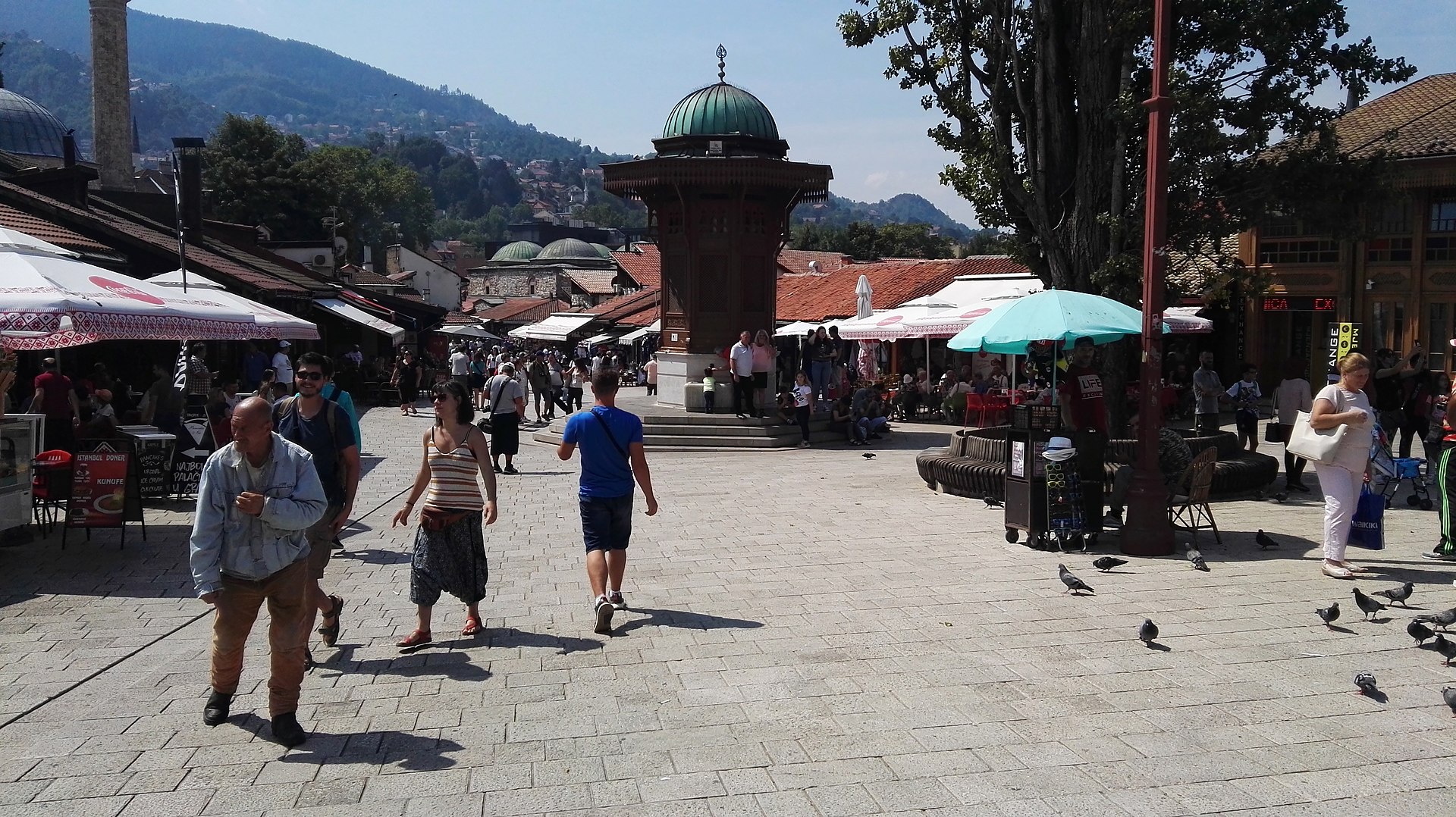
Sarajevo in winter is a genuinely different city from the summer version. It is colder, quieter, and more local-feeling -- the tourist infrastructure thins out and the cafes fill with Sarajevans rather than visitors. For the right kind of traveler, that is exactly what makes it worth visiting. For others, the cold and the reduced daylight make it a harder sell.
What winter actually means in Sarajevo
Sarajevo sits in a mountain valley and has a proper continental winter. December through February temperatures typically range from -5 to 5 degrees Celsius. Snow is common and can be heavy -- the city hosted the 1984 Winter Olympics and the surrounding mountains receive significant snowfall. The old town gets cold quickly in the valley and the uphill walks to viewpoints feel more demanding in winter conditions.
Daylight hours are short -- in December, it gets dark by around 4pm. This compresses the effective sightseeing window and changes the rhythm of a visit significantly compared to the long summer evenings.
What is better in winter
The old town cafes are at their best in winter. There is something particularly right about sitting in a small Sarajevo cafe with a Bosnian coffee and a piece of baklava when it is cold outside. The pace slows and the social ritual of the coffee stop becomes the point of the hour rather than a break between activities.
Accommodation prices drop significantly -- 30 to 50 percent below summer rates for equivalent quality. The best guesthouses near Bascarsija that book out quickly in summer are available and at better prices.
The city has fewer tourists in winter, which means the old town feels more genuinely local. The markets, the buregdzinicas, and the kafanas operate for residents rather than visitors. That authenticity is one of Sarajevo's best qualities and it is more accessible in winter.
If skiing is part of the trip, the mountains above Sarajevo (Bjelasnica and Jahorina) have ski resorts that were used for the 1984 Olympics. Day trips from the city are possible and the ski infrastructure, while not at the level of the Alps, offers reasonable conditions at very affordable prices -- a day ski pass costs roughly 25 to 35 EUR.
What is worse in winter
The Yellow Fortress viewpoint walk is less appealing in cold and potentially icy conditions. The cable car to Mount Trebevic runs less frequently in winter and may be closed in poor weather. Some restaurants reduce their hours or close for parts of the low season.
The short daylight window means a three-night trip has less usable outdoor time than the same trip in May or September. The War Tunnel Museum and indoor cultural sites are unaffected, but the walks and viewpoints that define the outdoor experience of Sarajevo are less comfortable.
Who winter Sarajevo suits best
Winter works well for travelers who prioritize atmosphere and food over outdoor activity, for budget-conscious travelers who want Sarajevo at its most affordable, and for anyone combining the city with skiing on the surrounding mountains. It is a strong choice for couples who want a quiet, atmospheric city break without summer crowds. It is a weaker choice for first-time visitors who want to experience the full range of what Sarajevo offers -- for those, May, June, or September remains the better answer.