
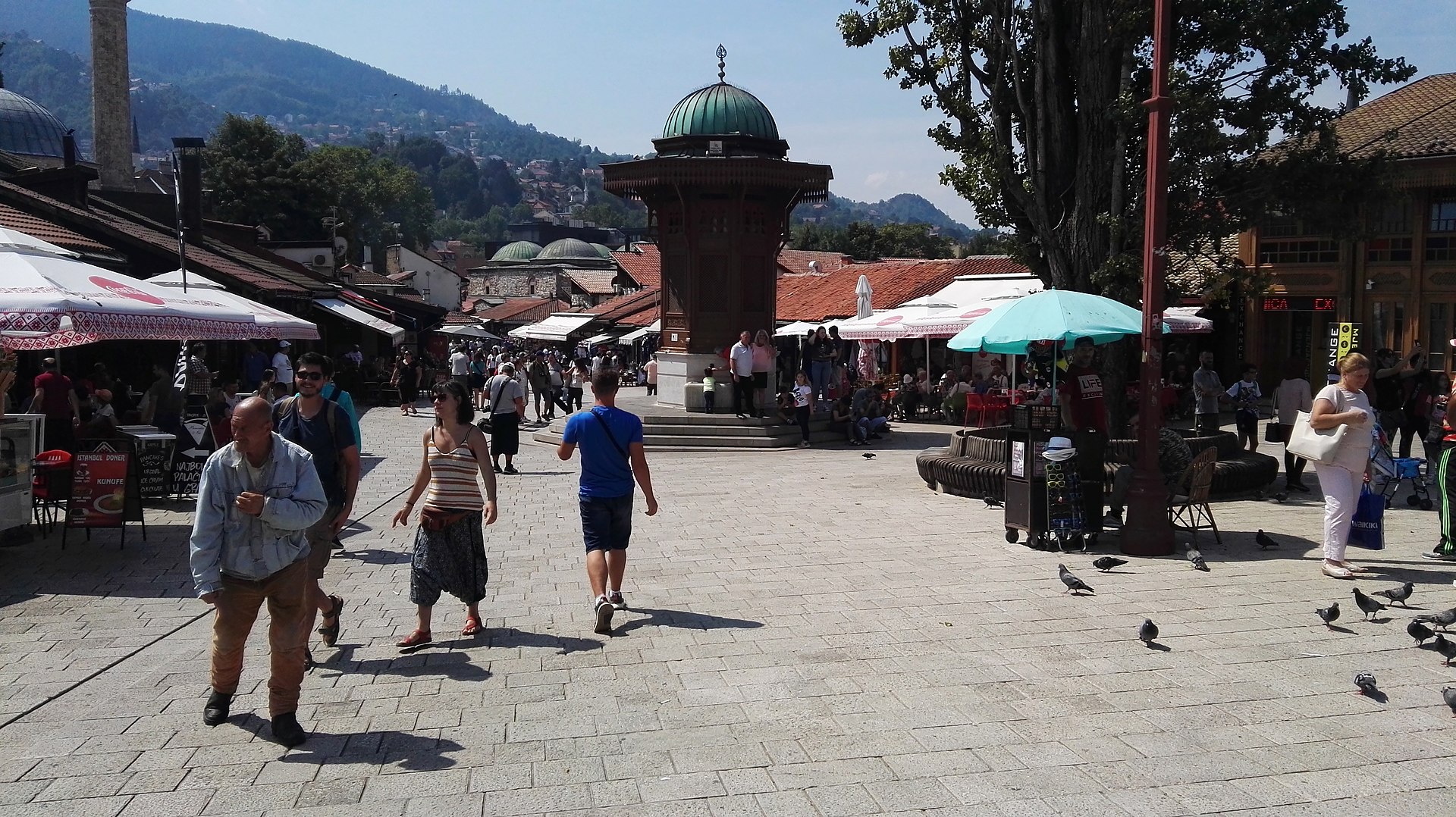
Sarajevo is one of those cities that surprises travelers who do not give it enough time. Two nights passes quickly. Three nights starts to reveal what makes the place genuinely unusual. The decision about how long to stay is worth getting right before you book.
Two nights: the minimum that works
Two nights gives you two full days in Sarajevo. That is enough to walk Bascarsija properly, eat well, visit one significant site (the War Tunnel Museum or the Yellow Fortress viewpoint), and get a clear sense of the city's atmosphere and tone. It is not enough to feel like you have absorbed the place, but it is enough to know why people remember it.
Two nights makes sense when Sarajevo is one stop in a longer regional route -- for example, arriving from Belgrade or Split and moving on to Mostar or Dubrovnik. In that context, two full days is a reasonable allocation that keeps the wider trip balanced.
Three nights: the recommended stay
Three nights is the stay length that most travelers report as feeling right in retrospect. The extra day changes the pace significantly. You are not rushing through the old town. You can spend a morning at the War Tunnel Museum without feeling like it has used up a full day. You can have a longer lunch at a good restaurant without checking your watch. You can walk up to the Yellow Fortress in the late afternoon and stay for the view at dusk.
Three nights also gives you a proper evening rhythm. Sarajevo has a strong cafe culture that rewards slowing down. A morning Bosnian coffee, a long lunch, an afternoon walk, a dinner that runs past 9pm -- that is the best version of the city, and it needs a bit of time to unfold naturally.
Four nights: when it makes sense
Four nights makes sense in one specific situation: when Mostar is also on the itinerary. The bus from Sarajevo to Mostar takes about 2.5 hours each way, which means a day trip is possible but long. Using Sarajevo as a base for a Mostar day trip means leaving around 8am and returning by early evening. That works, but it is tiring.
Four nights gives you three days in Sarajevo and one for Mostar without the trip feeling compressed. It is a good allocation if Bosnia is the main focus of the trip rather than one stop in a wider Balkans circuit.
What to do with your days
Day 1: Arrive and walk Bascarsija without agenda. Find a good cevapi spot for lunch (Zeljo or Asdaf near the old town are reliable). Walk the main bazaar lane, the covered market area, and down toward the Catholic Cathedral. Dinner somewhere with an outdoor terrace if the weather allows.
Day 2: Morning at the War Tunnel Museum (about 20 minutes by taxi from the centre, 10 EUR entry). This is the most important site in Sarajevo for understanding the siege and the city's recent history. Afternoon back in the city -- the cable car to Mount Trebevic runs about 10 EUR return and gives strong views plus an unusual post-war history at the top. Evening dinner in a sit-down restaurant rather than the old town fast food zone.
Day 3 (if staying): Slower morning with coffee and a pastry near Bascarsija. The Yellow Fortress in the afternoon -- it is a 15 minute uphill walk from the old town and the view over the city is one of the best free things Sarajevo offers. One more good restaurant for the final evening.
Day 4 (if using for Mostar): Early bus to Mostar (first departures around 7 to 8am). Old bridge, the old town, lunch near the water, back to Sarajevo by late afternoon. Tired but worth it.
When to visit
May, June, September, and October are the best months. The weather is comfortable, the city is not crowded with peak-summer tourists, and prices are lower. July and August are warm and busy but manageable -- Sarajevo does not have the extreme summer crowds of coastal destinations. Winter (November through March) is cold and atmospheric but slower. The Sarajevo Film Festival runs in August and adds energy to the city but also pushes accommodation prices up.