
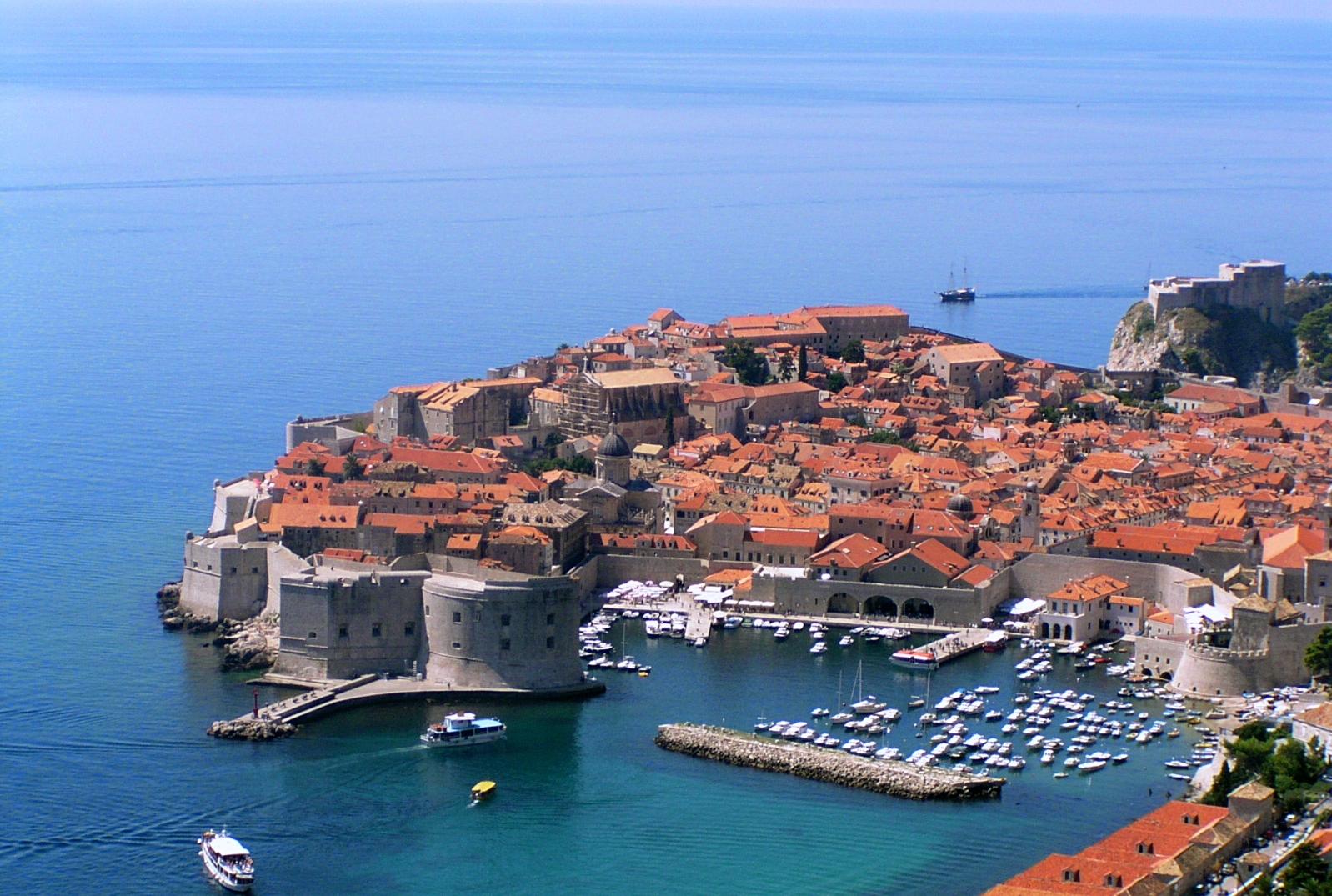
Location matters more in Dubrovnik than almost anywhere else in the Balkans
Dubrovnik is one of those cities where the difference between a good stay and a frustrating one often comes down entirely to where you base yourself. The old town is compact but the surrounding area is spread across a hilly coast, which means that a hotel even fifteen minutes walk from the walls can feel disconnected from the best of the city — especially at the end of a long day, in the heat, or when you want a spontaneous evening stroll. Getting the area right is the most useful thing you can do before booking.
The three practical zones for first-time visitors are: the Old Town Edge area immediately outside the walls, the Pile Gate area on the western approach, and the Lapad peninsula further west. Each has a different set of trade-offs, and the right answer depends on budget, trip style, and how important walking access to the old town actually is for the type of trip you are planning.
Old Town Edge: the strongest all-round choice for first timers
Staying as close to the old town walls as possible — ideally within five minutes walk of the Pile Gate or the Ploče Gate on the eastern side — gives first-time visitors the best overall Dubrovnik experience. You can walk to the walls at opening time without logistics, return to the hotel mid-afternoon without planning a route, and step out for an evening stroll without committing to a full journey. In a city where managing crowd timing and heat is part of the visit, that proximity has real practical value.
The trade-off is price. Hotels close to the old town command a premium, particularly in peak summer. The rooms are also often smaller, the buildings older, and the street-level noise can be significant on busy summer nights. But for most first-time visitors on a three-night stay, the access advantages outweigh the downsides substantially.
Pile Gate area: slightly more breathing room
The zone immediately west of the Pile Gate — the main western entrance to the old town — has a number of hotels and apartments that offer slightly more space and slightly lower prices than the very immediate old-town zone, while still keeping you within a very easy walk of the walls. This area also has the advantage of being closer to the cable car base station and some of the city's sea-view terrace restaurants.
For travelers who want proximity without being directly on the old-town doorstep, Pile Gate area properties are often the best balance. The walk into the old town takes under ten minutes and the surrounding area feels less hectic than the immediate old-town perimeter while remaining genuinely convenient.
Lapad: the practical choice for longer stays or summer visits
Lapad is the hotel-dense peninsula about three kilometers west of the old town, connected by a regular bus that runs until late. It has its own beach, a pleasant waterfront promenade, and a concentration of mid-range to large hotels that offer sea views, pools, and more space than the tighter old-town area can provide. For families, longer stays, and summer visitors who want beach access alongside sightseeing, Lapad is a genuinely functional choice.
The honest trade-off is that using the bus to reach the old town adds a layer of logistics that affects the spontaneity of the trip. Late evenings after dinner, early morning starts for the walls, and any last-minute decisions to pop back to the hotel mid-day all require planning around bus times or spending on taxis. For a two or three night focused first visit, the old-town-adjacent areas usually deliver a better overall experience than Lapad despite the price difference.
The practical booking advice for Dubrovnik
Book as early as possible for peak summer, especially if you want anything near the old town at a reasonable price. Shoulder season — May, June, September, October — gives much more flexibility, better value, and a more enjoyable stay. If budget forces a Lapad choice in summer, check the bus frequency carefully and budget for a few extra taxi trips to make the logistics smooth. And whatever area you choose, an early morning at the city walls — before ten — is the single best investment you can make in your Dubrovnik trip quality.