
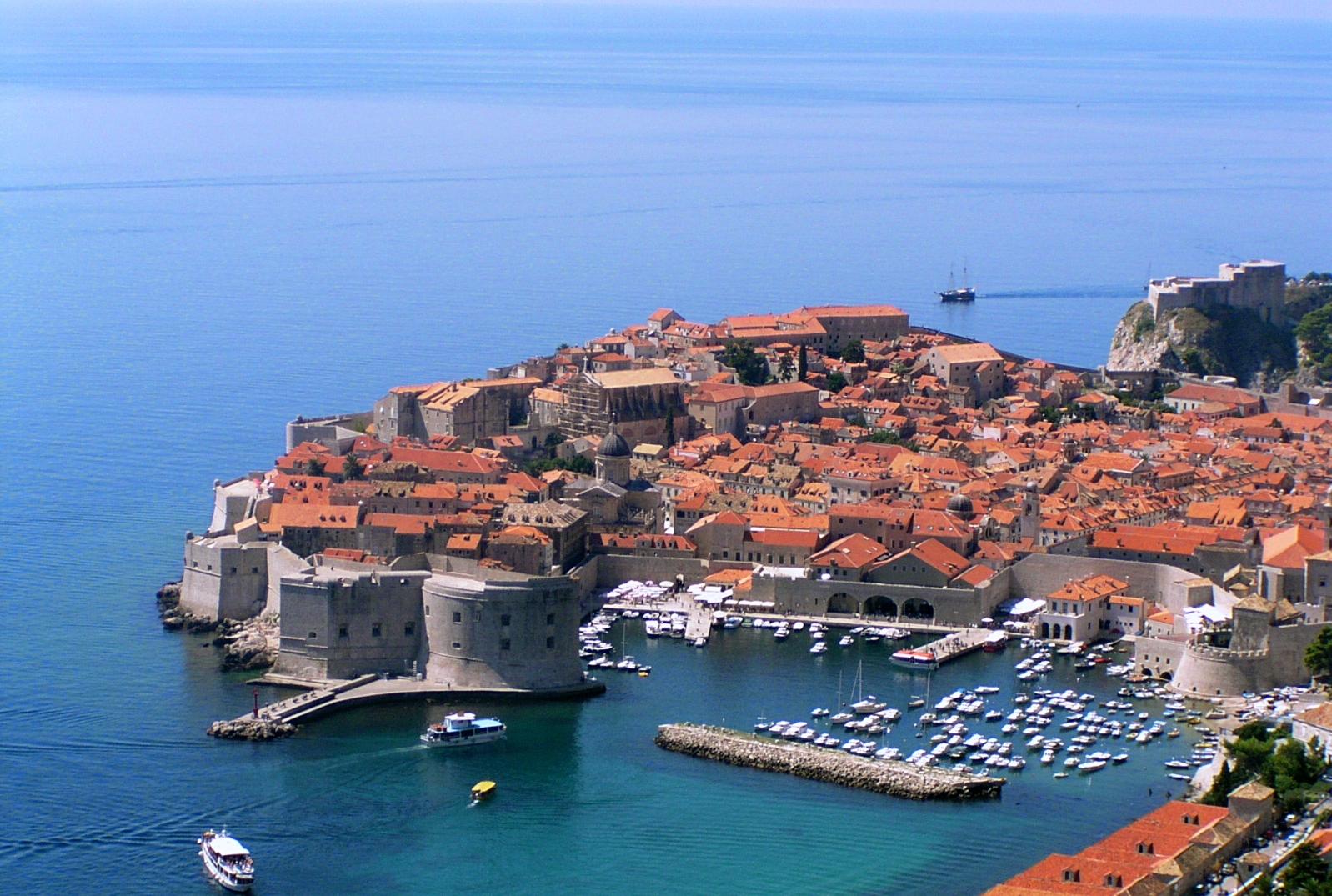
Three days is the right amount of time for Dubrovnik if you plan around the crowds
Dubrovnik is one of those cities where trip quality depends heavily on when you go, where you stay, and how you pace the day. The old town is genuinely beautiful, but it is also one of the most visited places in the whole Mediterranean during July and August. That reality means three days can feel excellent or exhausting depending mostly on timing and base choice rather than the city itself.
The good news is that three days with the right approach — a central but not overwhelmed stay, early morning starts, and evenings when the cruise-ship crowds have left — can give you a version of Dubrovnik that lives up to every photo you have ever seen of it. The goal is not to avoid the city, but to see it in its better moments.
Day 1: City walls and the old-town core
The city walls are the single most important experience Dubrovnik offers, and they are best done early. An opening hour start, before the main tourist wave arrives and before the midday heat builds on the exposed walkway, will give you a dramatically better experience than waiting until afternoon. The views from the walls across the old town and out to sea are spectacular, and completing the circuit without fighting heavy crowds makes the whole morning feel more rewarding.
After the walls, spend the rest of the day at street level inside the old town. The Stradun is the obvious main drag, but the smaller streets above and to either side are where Dubrovnik starts to feel more like a real place and less like a set. By the evening, as the day-trippers and cruise visitors thin out, the old town becomes noticeably calmer and more pleasant. That shift is worth staying for.
Day 2: Lokrum island and a slower afternoon
A short ferry ride takes you to Lokrum island, which sits just offshore and offers easy swimming, shaded walking paths, and a quick break from the intensity of the old town. The crossing takes about fifteen minutes and the island is a very good half-day option on the second day, especially in shoulder season when the water is calm and the island itself is not yet peak-summer crowded.
Return in the afternoon and use the rest of the day to revisit any part of the old town that deserved more time, find a better dinner option, or simply sit somewhere with a view and let the setting do the work. Dubrovnik is one of those places where doing less in the second half of the day often produces the best memories — a terrace, the right light, and the awareness that you chose to be there.
Day 3: Pile Gate side and the cable car
The third day works well when it combines one broader perspective with more time for the things that already felt best. The cable car up to Mount Srd gives a panoramic view over the city and coastline that is completely different from the walls and is worth the short ride. The panorama from the top covers the old town, the surrounding islands, and on clear days a long stretch of the Adriatic coast.
The rest of the day can flex around what the first two days did not quite reach. That might be a slower lunch somewhere quieter, a swim at one of the cove beaches accessible from the old town or the Lapad area, or a final walk through the Pile Gate area and back through Stradun in the cooler late afternoon. By the third day, Dubrovnik usually feels earned rather than rushed — and that is the version of the city worth holding on to.
The timing question matters more here than almost anywhere
For Dubrovnik, the month you visit changes the trip more than anywhere else in the Balkans. May, June, and September are significantly calmer than July and August, and for first-time visitors those shoulder months are consistently the best recommendation. Three days in late May or September can feel like a genuinely polished, manageable short break. Three days in August with no early starts and a poor base choice is a different trip entirely.
If summer is your only option, the practical answer is to start days early, end them late, and book somewhere that gives you an easy walk back to the old town without requiring aggressive navigation through peak-hour crowds.