
Dubrovnik and Split are the two most visited destinations on the Croatian coast, and they are frequently treated as interchangeable options for a short trip. They are not. They have different strengths, different price points, and attract different kinds of travelers. Choosing well makes a significant difference to the quality of the trip.
The core difference
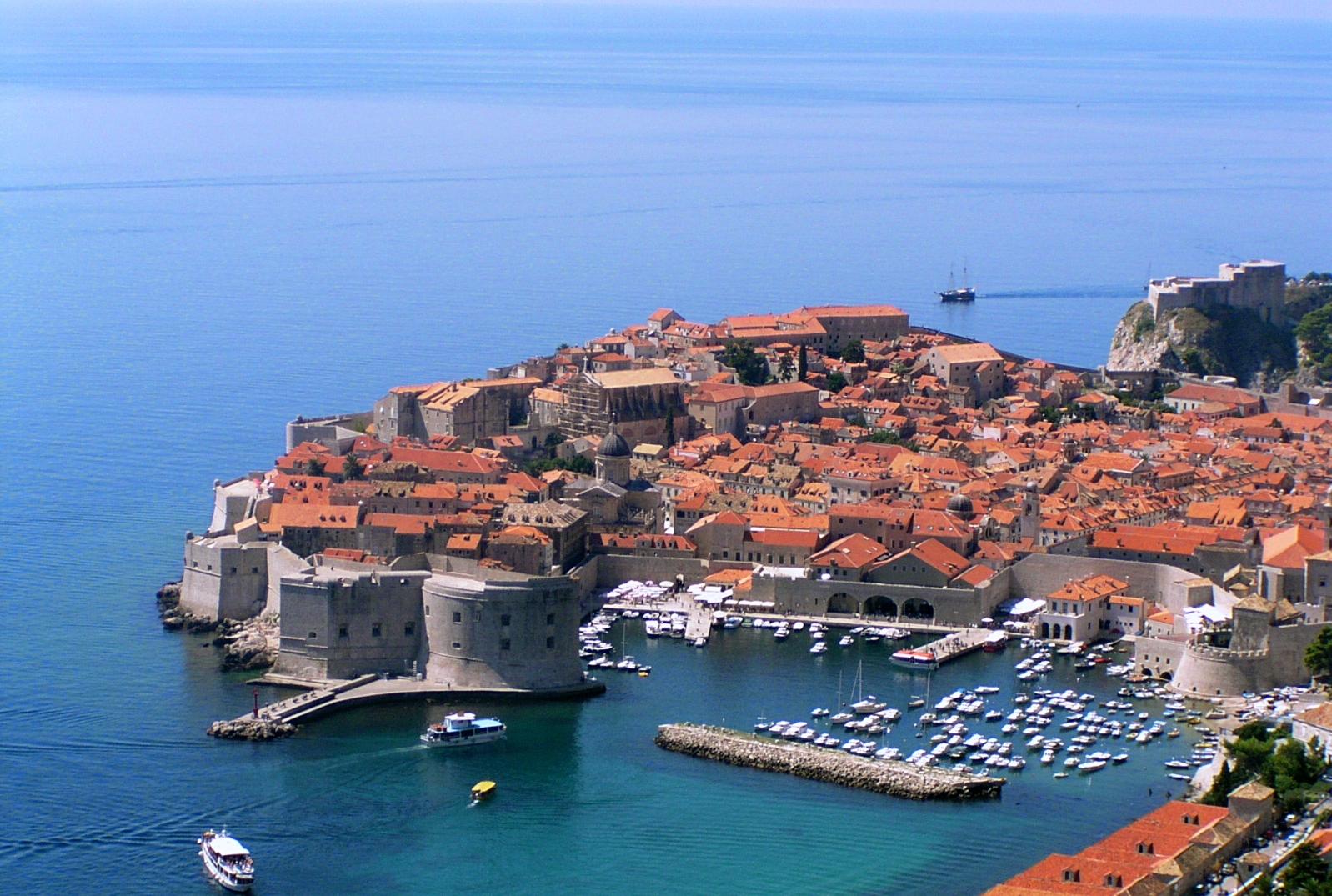
Dubrovnik is a contained, iconic city-break destination. The old town is enclosed by walls, visually extraordinary, and the entire experience is concentrated within a relatively small area. It is primarily about the city itself -- the walls, the Stradun, the views, the history.
Split is a base. The old town inside Diocletian's Palace is genuinely compelling, but the main reason most travelers choose Split over Dubrovnik is island access. Hvar, Brac, Korcula, and Vis are all reachable by ferry from Split in under two hours. Split works best when the wider trip includes island time. Used purely as a city destination without islands, it is good but not as singularly impressive as Dubrovnik.
Dubrovnik: who it suits and what to expect
Dubrovnik works best for travelers who want one iconic short break and are not primarily interested in island-hopping. Two to three nights gives you the walls walk, the Stradun, a cable car ride up to Mount Srd, and one day trip (Lokrum Island or the Elafiti Islands). That covers the core of what Dubrovnik offers.
The tradeoffs are significant. Dubrovnik is the most expensive destination in Croatia. A mid-range hotel near the old town costs 120 to 220 EUR per night in peak season. Food inside the walls is marked up. July and August bring cruise ship crowds that can make the old town genuinely unpleasant between 10am and 4pm. If you can visit in May, June, September, or October, the experience improves dramatically.
Best for: Couples, first-time Adriatic visitors who want one memorable iconic stop, travelers visiting in shoulder season, anyone whose trip does not include island time.
Split: who it suits and what to expect
Split works best as a base for island exploration. The Diocletian's Palace area is one of the most unusual urban spaces in Europe -- people live inside a Roman emperor's retirement palace, with bars, restaurants, and apartments occupying what were once imperial chambers. The Riva waterfront is pleasant for an evening walk. The Marjan hill park gives good views over the city and the islands.
But Split's strongest card is what it unlocks. Hvar is one of the most glamorous island destinations in the Mediterranean -- Hvar Town has a beautiful harbour, good restaurants, and strong nightlife. Brac has one of Croatia's best beaches (Zlatni Rat, a distinctive sand spit that shifts direction with the currents). Both are under two hours by ferry. Korcula, a walled island town that is sometimes compared to a smaller Dubrovnik, is about three hours away.
Split is significantly cheaper than Dubrovnik. A mid-range hotel near the old town costs 90 to 160 EUR per night in peak season. Food is cheaper. The overall value proposition is better.
Best for: Travelers who want island time, families, anyone who values flexibility and activity over one iconic city-break experience, budget-conscious travelers.
Side-by-side comparison
Visual impact: Dubrovnik wins. The walls, the Adriatic views, and the red-roofed old town are among the most dramatic urban settings in Europe.
Island access: Split wins clearly. Dubrovnik has some day-trip islands (Lokrum, Elafiti) but nothing on the scale and variety of what is reachable from Split.
Value: Split wins. Significantly cheaper across accommodation, food, and activities.
Crowds in peak summer: Both are very busy. Dubrovnik with cruise ships is a different level of congested. Split is busy but more manageable because it is a larger city with more space to absorb visitors.
Nightlife: Split has a livelier local nightlife scene. Dubrovnik's nightlife is more tourist-facing and expensive.
Route fit: Dubrovnik connects naturally with Montenegro (Kotor is about 2 hours south). Split connects naturally with the islands and with Zagreb (5 to 6 hours north by bus).
Can you combine both?
Yes, and it is the natural Croatia coastal route. Split first (with island time), then move south to Dubrovnik for the final three nights. The bus between them takes about 4 to 5 hours and runs several times a day, costing roughly 15 to 25 EUR. This combination gives you island flexibility and the iconic city-break finish.
The reverse (Dubrovnik first, Split second) also works but feels slightly anticlimactic since Dubrovnik's visual drama is hard to follow. Most travelers find the Split-then-Dubrovnik direction more satisfying.