
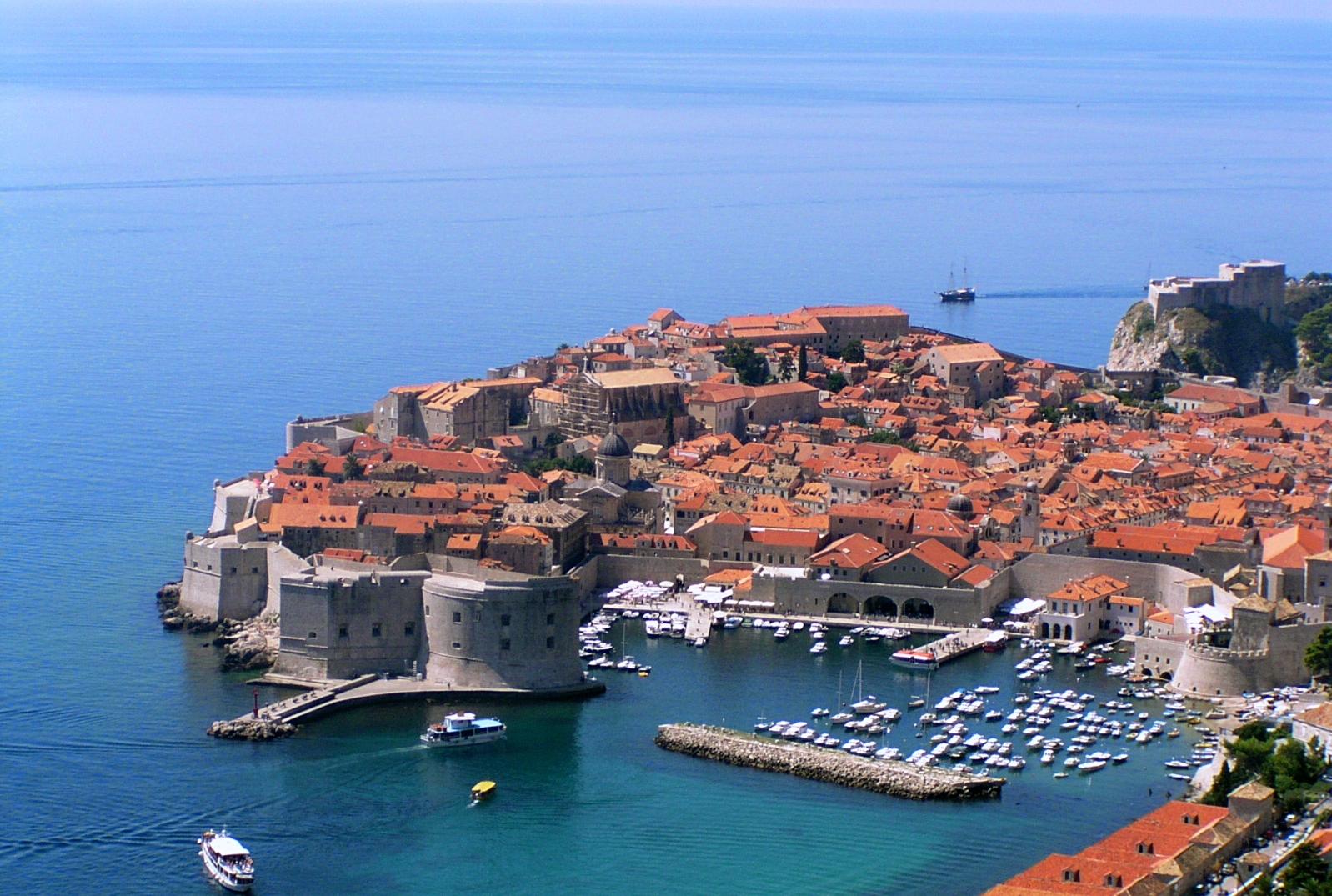
Dubrovnik is a city where the right stay length matters more than in most places. Too short and it feels rushed and expensive for what you got. The right amount of time and it becomes one of the most memorable city breaks in Europe. The difference is usually just one night.
Two nights: the minimum that delivers
Two nights gives you two full days in Dubrovnik. Day one covers the old town walls (the walk takes about 1.5 to 2 hours and costs around 35 EUR per person -- do it in the morning before it gets crowded), the Stradun main street, and a relaxed afternoon. Day two allows for a boat trip to Lokrum Island (about 15 EUR return, 15 minutes from the old harbour), a cable car ride to Mount Srd for the panoramic view (about 30 EUR return), or simply more time in the old town at a slower pace.
Two nights works well when Dubrovnik is one stop in a wider Croatia or Balkans route and you need to keep the schedule balanced. It gives you the iconic experience without overextending the budget in one of the most expensive cities in the region.
Three nights: the recommended stay
Three nights is the stay length most travelers find satisfying in retrospect. The extra day removes the pressure from the first two. You can walk the walls without rushing to fit in everything else the same day. You can take an afternoon boat trip without it eating your entire sightseeing allocation. You can have a proper long dinner at a good restaurant without watching the clock.
Three nights also allows for a day trip to the Elafiti Islands (a boat excursion of 3 to 4 hours, roughly 50 to 70 EUR for an organized trip) or a half-day in Cavtat, a quieter coastal town about 20 minutes south by bus or boat. Both are good additions if you want to see something beyond the old town walls.
Four nights or more: when it is too long
For most first-time visitors, four nights in Dubrovnik is more than the city can sustain without starting to feel repetitive. The old town is compact. Once you have walked the walls, visited the key churches, explored the harbour, and done one or two day trips, the core experience is covered. Spending a fourth or fifth night often means paying premium Dubrovnik prices for days that could be better used in Split, Hvar, or Montenegro.
The exception is if Dubrovnik is functioning as a base for multiple day trips into Montenegro or deeper into Croatia. In that case, three to four nights as a hub makes practical sense even if the city itself is covered early.
What the walls walk actually involves
The city walls walk is the centerpiece activity and worth planning carefully. The full circuit is about 2 kilometers and takes 1.5 to 2 hours at a comfortable pace with stops for views and photos. Do it first thing in the morning (gates open at 8am) to avoid the peak heat and the cruise ship crowds that arrive mid-morning. Buy tickets in advance online if possible -- lines at the gate can be significant in July and August.
The views from the walls are the best way to understand Dubrovnik's geography -- the red roofs, the Adriatic, the islands in the distance, the fortress details. It is the activity that justifies the trip more than any other single thing.
Peak season reality check
Dubrovnik in July and August is extremely crowded, particularly when cruise ships are docked. On a busy day, up to 8,000 cruise passengers can enter the old town, which has a maximum recommended capacity of around 8,000 total visitors. The result is that the streets of the old town can become genuinely uncomfortable between about 10am and 4pm in peak summer.
If you are visiting in July or August, plan activities for early morning or evening. The old town empties significantly after the cruise passengers leave in the afternoon, and the evening atmosphere on the Stradun is genuinely pleasant when the midday congestion clears.
When to visit for the best experience
May, June, September, and October are significantly better than July and August for almost every reason: fewer crowds, lower prices, more comfortable temperatures for walking. The water is warm enough for swimming from June through October. April is quiet but can be cool. November through March is very quiet -- many restaurants and hotels close, and the off-season atmosphere is a completely different experience from summer Dubrovnik.
Budget reality for a Dubrovnik stay
Dubrovnik is the most expensive destination in Croatia and one of the most expensive in the Balkans. A mid-range hotel in or near the old town costs 120 to 220 EUR per night in peak season. Food inside the old town is significantly marked up -- expect 20 to 35 EUR per person for dinner. Moving slightly outside the old town walls (Lapad area or Pile gate vicinity) drops accommodation costs by 30 to 50 percent for similar quality. Many travelers find that basing themselves slightly outside the walls and walking or taking the bus into the old town for activities gives a significantly better value-to-experience ratio.