
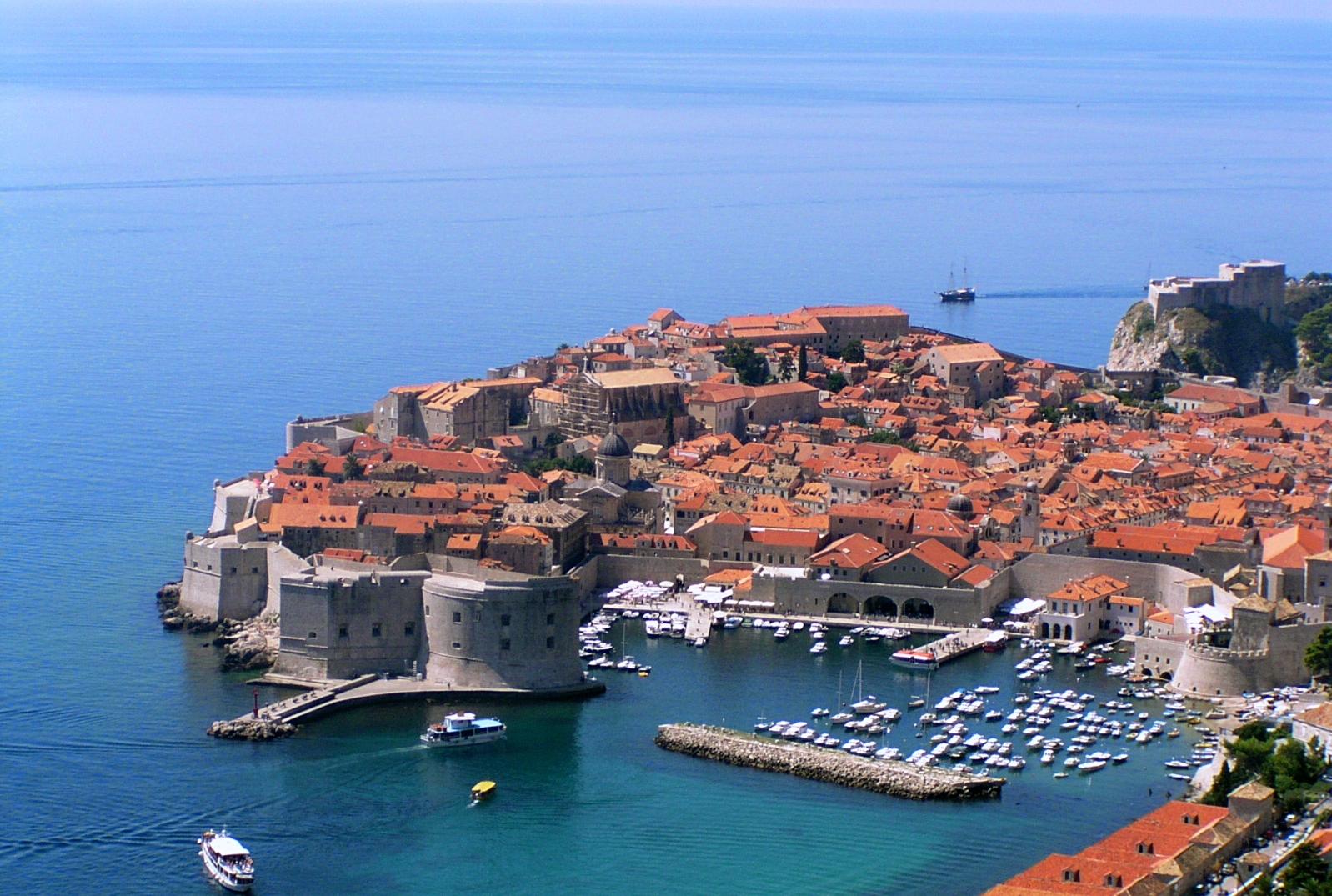
Dubrovnik has a peak season problem. July and August bring cruise ship crowds, extreme heat, and prices that make the city one of the most expensive short-break destinations in Europe. The result is that many travelers who visit in peak summer leave feeling like the experience was good but slightly diminished by the logistics of managing constant congestion.
The version of Dubrovnik that exists outside peak summer -- particularly in May, June, September, and October -- is significantly better for most travelers. The setting is identical. The walls are the same walls. The Stradun is the same street. But the experience of moving through it changes dramatically when the crowds thin.
May and June: the best months
May is the strongest month to visit Dubrovnik. Temperatures are in the low to mid-20s Celsius -- warm enough for outdoor sitting and coastal walks, not yet at the uncomfortable heat of high summer. The sea temperature is around 18 to 20 degrees, too cold for most swimmers but fine for everything else. Accommodation prices are 30 to 50 percent lower than peak season. The walls walk can be done at a comfortable pace with room to stop and linger at viewpoints rather than shuffling through a crowd.
June is excellent but builds toward summer. Early June has May-like conditions. By late June, the crowds and heat are starting to arrive. Booking in early June gives you a useful window that combines good weather with manageable visitor numbers.
September: the other optimal window
September is the second best month to visit Dubrovnik and for many travelers is actually preferable to May. The sea temperature is at its warmest (around 23 to 24 degrees Celsius) -- genuinely comfortable for swimming. The crowds drop noticeably from August but the weather remains reliably excellent. Prices fall from the peak but not yet to shoulder season lows.
The combination of warm water, good weather, and manageable crowds makes September the best month for travelers who want swimming as part of the trip. It is also a more pleasant month to walk the walls than August -- lower heat and less congestion make the 2-kilometer circuit feel like a pleasure rather than an endurance.
October: shoulder season value
October is genuinely good for the city itself but marks the beginning of the off-season for coastal activities. The sea is still swimmable in early October but cools quickly. Some restaurants start reducing hours or closing for the season by mid-October. The walls and old town are very quiet and the atmosphere is different from summer -- more local, more residential, less like a tourist attraction and more like a real place where people live.
Prices in October are at their lowest outside the winter closure. Travelers who value the atmosphere of a place without tourist infrastructure around them, and who are not prioritizing swimming or beach time, often find October one of the most rewarding months in Dubrovnik.
Winter (November through March): honest assessment
Dubrovnik in winter is beautiful in a very specific way. The old town is almost entirely given over to local residents. Restaurants and cafes that cater primarily to tourists are closed, but local spots are open. The walls walk is possible on good days and the experience of having them almost to yourself is genuinely striking after seeing the summer photos of congested battlements.
The trade-offs are real. Many accommodation options close entirely or reduce to minimal operation. Sea excursions and most day-trip services do not run. The weather is mild compared to northern Europe (average January temperature around 9 degrees Celsius) but can be rainy. This is not the Dubrovnik of brochures -- it is quieter, slower, and more genuinely local. Some travelers find this exactly what they want. Most first-time visitors are better served by shoulder season.
What does not change outside summer
The walls. The Cathedral. The Stradun. The cable car up Mount Srd. The general visual drama of the setting. All of these remain identical regardless of season. The core of what makes Dubrovnik worth visiting -- the walled old city above the Adriatic -- is not a summer-only experience.
Lokrum Island (the small island just offshore with gardens, a monastery, and a saltwater lake) runs a summer boat service and is not accessible in winter, but is open from April through October. The Elafiti Islands day trip also runs through the extended season.
Practical differences by season
Accommodation prices in May and September are typically 30 to 50 percent lower than July and August for equivalent properties. In October, prices drop further. In winter, many properties close entirely and the remaining open ones often offer significant discounts for longer stays.
The walls entry fee is 35 EUR per person in peak season and drops to around 15 to 20 EUR in shoulder season. The cable car price is similar year-round (around 30 EUR return) but wait times are significantly shorter outside summer.
For most first-time visitors, the answer to whether Dubrovnik is worth visiting outside summer is: yes, and it is probably better than going in July or August.