
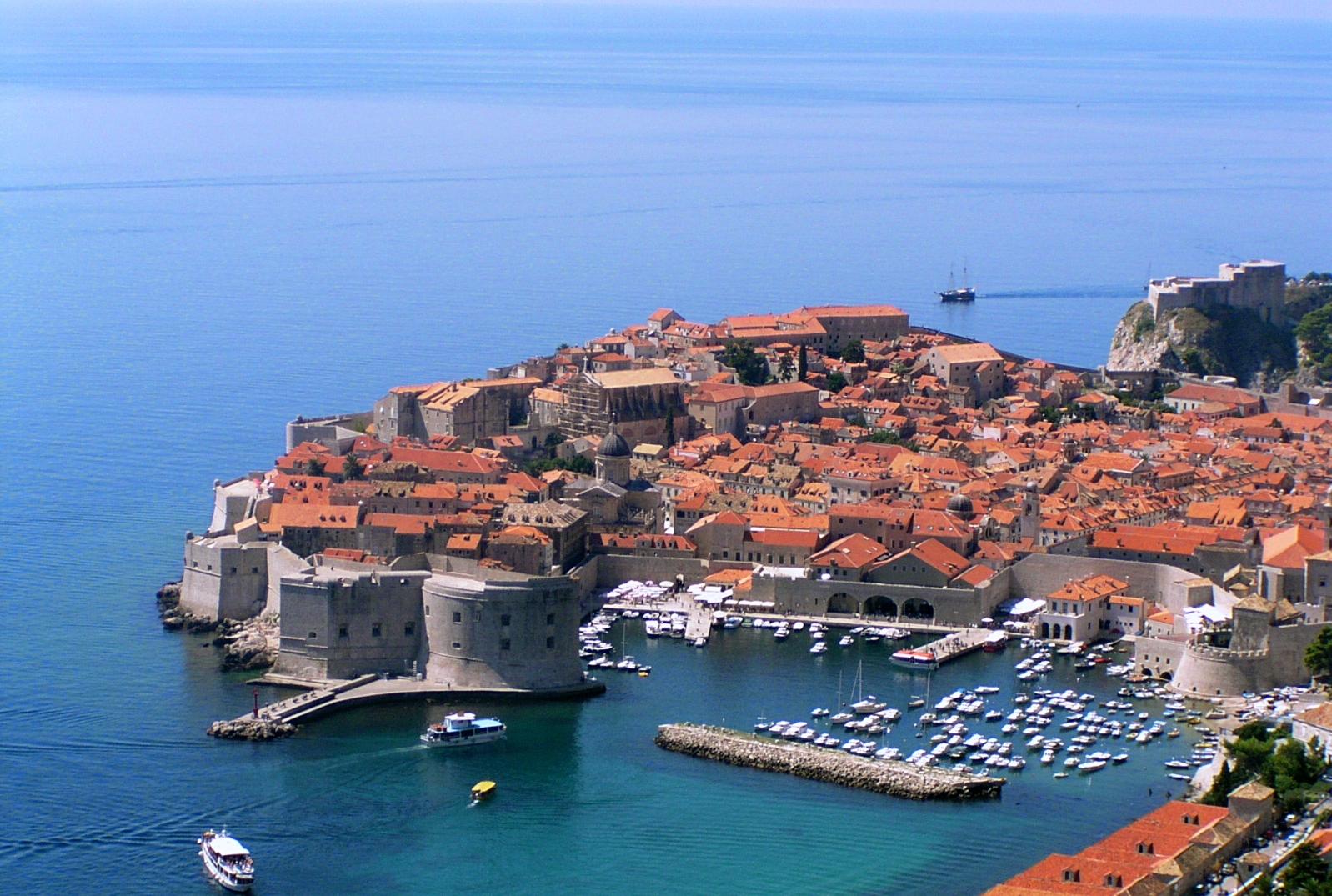
Dubrovnik has a genuine overcrowding problem in July and August. Cruise ships dock daily, tour buses arrive from Split and Montenegro, and the old town's narrow lanes can become uncomfortably congested by mid-morning. The honest answer for most travelers is to visit in May, June, or September. But if peak summer is your only option, the experience can still be managed well with the right approach.
First: is shoulder season actually possible for you?
Before the tactics for surviving peak season, it is worth being direct: if you have any flexibility in your travel dates, May, June, and September are categorically better months to visit Dubrovnik. Prices are 30 to 50 percent lower. The walls walk can be done comfortably at any time of day. The restaurants are less rushed. The sea is warm enough for swimming from June and remains warm through October.
If the only reason you are going in July or August is habit or the assumption that summer is always the right time, reconsider. For Dubrovnik specifically, that assumption is wrong.
If school holidays, work constraints, or a fixed family trip mean peak summer is non-negotiable, read on.
The walls walk: do it at opening time
The city walls walk is the centerpiece activity and the one most affected by crowds. The gates open at 8am. Being at the entrance at 8am on a summer day means you will walk the 2-kilometer circuit with a fraction of the mid-morning crowd. By 10am, the walls are packed. By 11am, they can feel like a slow-moving queue with views.
Buy tickets online in advance if possible -- the Dubrovnik Pass website sells timed entry slots that can reduce wait time at the gate. Arriving at opening time is more important than any other single tactic for improving the walls experience.
The walls entry costs 35 EUR per person in peak season. The views are extraordinary and the walk is worth doing even in summer heat -- just do it early.
Avoid the old town between 10am and 4pm
Cruise ships typically dock in the morning and passengers flood the old town between 10am and 4pm. This is when the Stradun is at maximum congestion and when the old town feels most like a theme park rather than a real place.
Plan your old town time for early morning (before 10am) and evening (after 5pm). Use the midday window for the beach (Banje beach is 5 minutes walk from the Ploce gate), a long lunch somewhere outside the walls, or a boat trip to Lokrum Island where the crowds are diluted across a larger area.
The old town after 6pm in summer is a genuinely good experience. The cruise passengers have left, the light is better for photos, and the restaurants and bars fill with overnight guests who have a different pace from midday tourists.
Stay inside or immediately adjacent to the old town
Where you stay in Dubrovnik matters more in peak summer than at any other time. Staying inside the old town walls or within five minutes walk of the gates means you can access the early morning version of the city without transit logistics. This is worth paying for.
Hotels outside the old town that require a bus or taxi to reach the gates add friction to the early-morning tactic. If the plan depends on being at the walls at 8am, having to organize transport to get there is a meaningful complication.
Accommodation inside the walls costs significantly more in peak season -- expect 180 to 280 EUR per night for a decent mid-range option. Immediately outside the walls (Pile gate area, Ploce gate area) is slightly cheaper at 130 to 200 EUR and still practical for the early-morning approach.
Use the cable car timing strategically
The cable car to Mount Srd is one of the best activities in Dubrovnik -- the panoramic view from the top, looking down over the red roofs and the Adriatic, is one of the defining images of the city. In peak season, the cable car has queues throughout the day.
Go in the late afternoon or early evening. The queue is shorter, the light is better for photos, and the view of the sun setting over the islands is one of the strongest visual memories Dubrovnik offers. Last cable car down is typically at 10pm in summer. Cost: about 30 EUR return.
Day trips away from the old town
Building in one day that gets you out of the old town entirely is one of the most effective stress-reduction tactics for a peak-summer Dubrovnik visit. Options:
Lokrum Island -- 15 minutes by boat from the old harbour (about 15 EUR return, boats run every 30 minutes). The island has gardens, a monastery, a saltwater lake, and rocky swimming spots. The crowds are diluted across a large forested area. Much less stressful than the old town at midday.
Elafiti Islands -- A day trip to Lopud, Sipan, or Kolocep takes you away from the main Dubrovnik tourist infrastructure entirely. Organized boat trips run about 50 to 70 EUR per person. The islands have beaches, quiet villages, and a pace that feels completely different from the old town in July.
Montenegro border day trip -- Kotor is about 2 hours from Dubrovnik by bus. A day trip gives you a completely different destination and removes you from Dubrovnik's peak-day congestion. Cost: roughly 10 to 15 EUR each way by bus.
What does not help
Arriving in Dubrovnik without accommodation pre-booked in peak summer is a significant mistake -- availability is extremely limited and last-minute prices can be punishing. Book accommodation at least two to three months in advance for July and August visits.
Trying to visit the walls mid-afternoon in peak summer is the single most common mistake that leads to negative Dubrovnik reviews. It is hot, crowded, and slow. The early morning tactic is not optional -- it is the difference between enjoying the walls and enduring them.