
Ljubljana and Zagreb are the two most polished and Western-feeling city-break destinations in the Balkans and wider Central European region. They are often compared because they are close to each other (2 hours by train), both small enough to cover comfortably in a weekend, and both well-served by European flights. The choice between them is genuinely interesting because they have different strengths rather than one being clearly better.
Ljubljana: what it actually offers
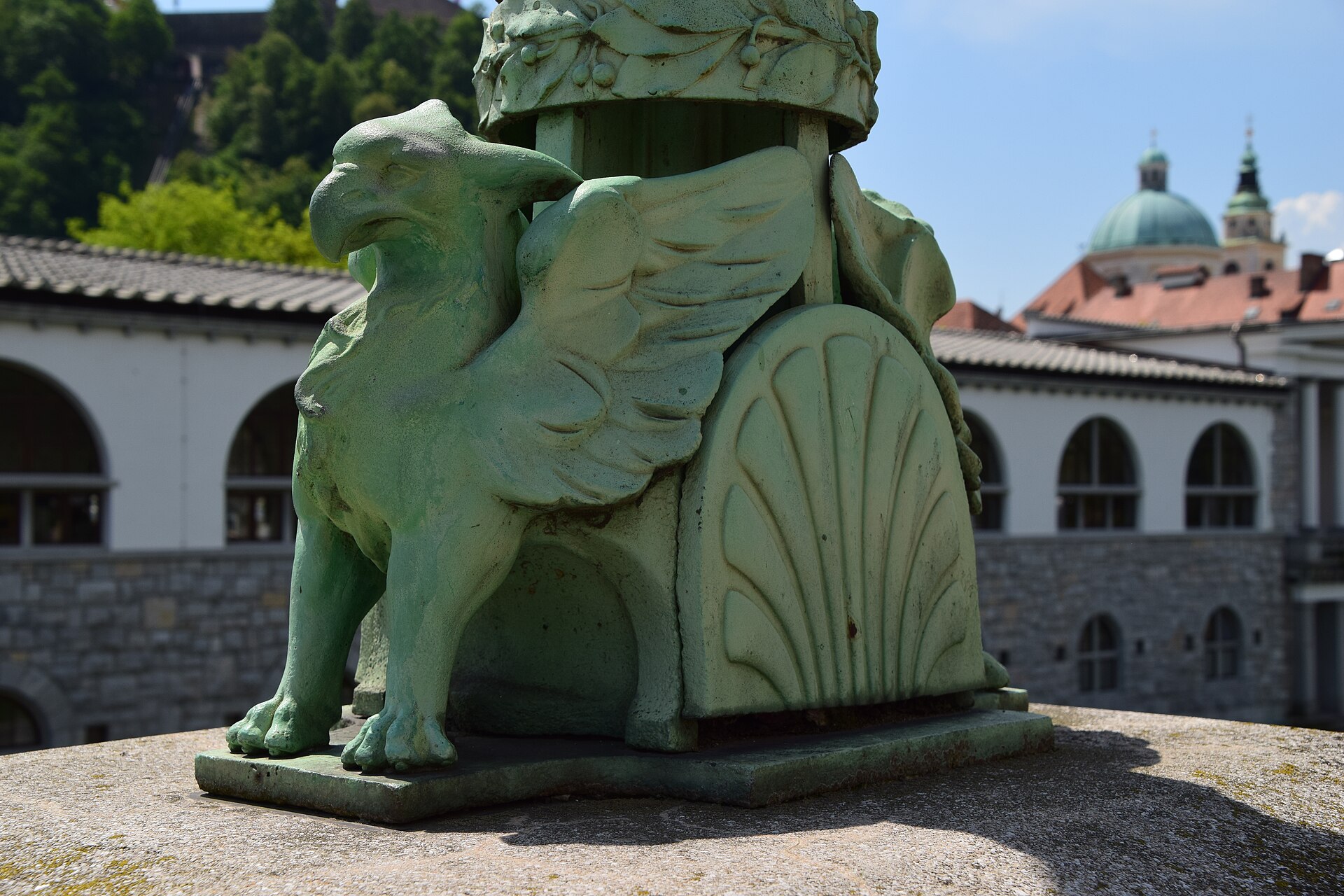
Ljubljana is one of the smallest capitals in Europe and that compactness is both its greatest strength and its main limitation. The old town along the Ljubljanica river, the castle above it, the dragon bridge, and the covered market are all within a 20-minute walk of each other. The riverside terrace scene -- cafes and restaurants along the pedestrianized riverbank -- is one of the most pleasant in Central Europe and works particularly well in good weather.
Ljubljana feels like a city that has been carefully curated. It is clean, walkable, visually coherent, and relatively crowd-free compared to Prague or Vienna. For a weekend city break that feels relaxed and pretty without being overwhelming, it is hard to beat.
The limitation is that Ljubljana is small enough to feel thoroughly covered after two days. Most travelers who stay three nights find the third day looking for things to do. The city works better as a two-night stop than as a longer stay.
Day trips from Ljubljana: Bled (1 hour by bus or car) is the natural and most popular addition. Lake Bled and the island church are genuinely extraordinary and transform a Ljubljana visit into a Slovenia experience. The Postojna Caves (1 hour by bus) are another strong option.
Best for: Couples, travelers who want a pretty, relaxed two-night European city break, anyone combining Ljubljana with Bled or other Slovenian scenery.
Cost: Ljubljana is slightly more expensive than Zagreb. A mid-range hotel costs 100 to 180 EUR per night. A good dinner runs 25 to 40 EUR per person. Daily budget for a comfortable stay: 130 to 180 EUR per person.
Zagreb: what it actually offers
Zagreb is larger and has more going on than Ljubljana across every category. The museum scene is better -- the Museum of Broken Relationships alone justifies a Zagreb visit. The food and cafe culture is stronger and more varied. The upper town and lower town together have more walking interest. The Dolac market is one of the best in the region.
Zagreb rewards three nights more than Ljubljana does -- by the end of day two in Zagreb, most travelers have not run out of things they want to do. It also has better day trip options nearby: Plitvice Lakes (2 hours by bus) is one of the most spectacular natural sites in Croatia.
The trade-off is that Zagreb is not as immediately picturesque as Ljubljana. The riverside scene does not exist in the same way. The city is more urban and less perfectly contained. Some travelers find this more interesting; others miss the compactness and prettiness of Ljubljana.
Best for: Travelers who want more depth and variety in a city break, museum-goers, food-focused trips, anyone combining Zagreb with Plitvice or the coast.
Cost: Similar to Ljubljana. Mid-range hotels run 100 to 160 EUR per night. A good dinner is 25 to 40 EUR per person. Daily budget for a comfortable stay: 120 to 170 EUR per person.
Can you combine both?
Yes, and it makes a very natural short trip. The train between Ljubljana and Zagreb takes about 2 hours and costs roughly 15 to 25 EUR. Two nights in Ljubljana and two nights in Zagreb (or three and two for a longer trip) is one of the cleanest short-break itineraries in the region. The two cities are different enough that the contrast adds interest rather than feeling repetitive.
The direct answer
For a pure two-night romantic weekend: Ljubljana. For a three-night trip with more substance and variety: Zagreb. For a four to five night trip with the best of both: combine them.