
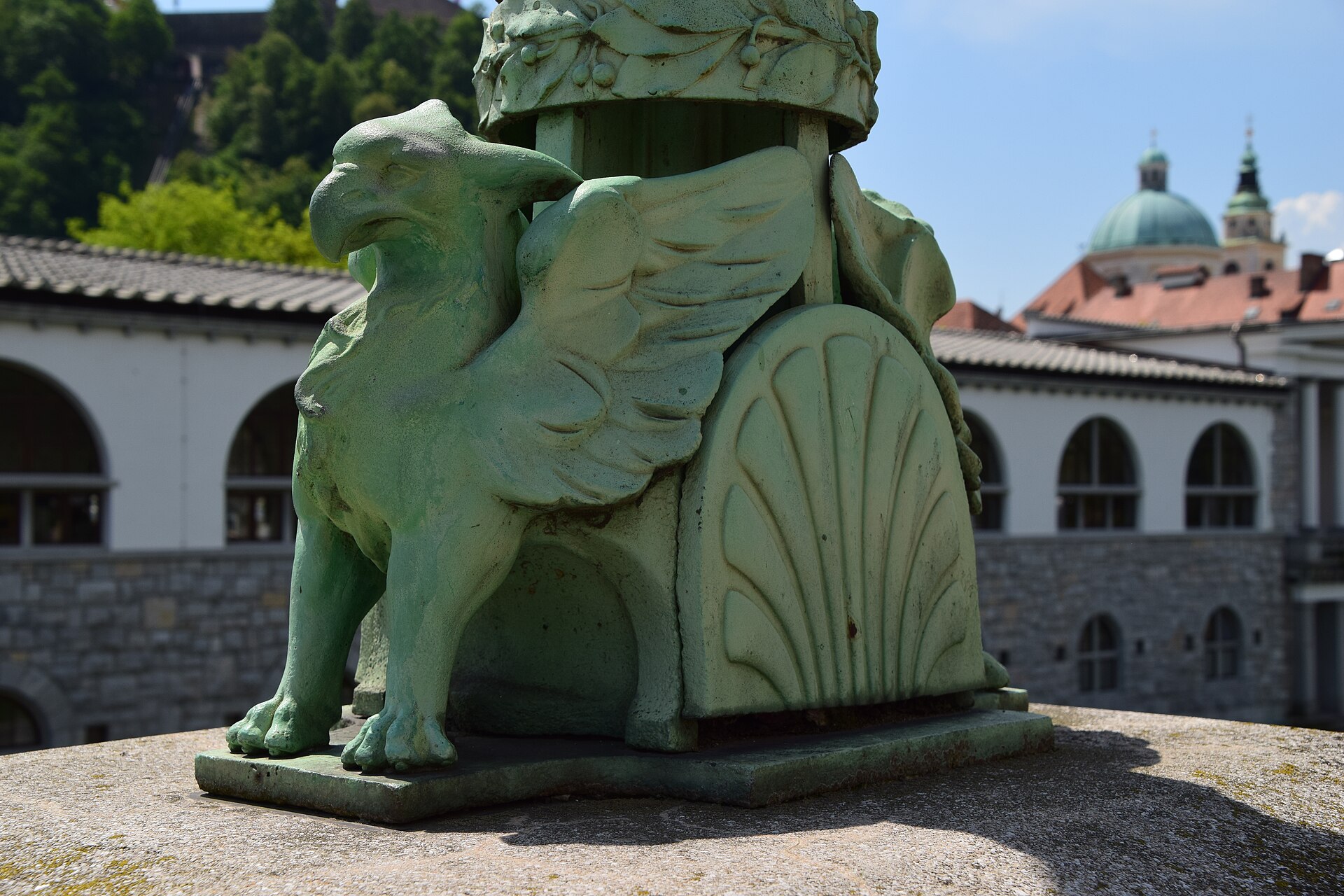
Ljubljana is one of the few European capitals where two nights is genuinely the right amount of time rather than a compromise. The city is small enough that the core experience -- old town, castle, riverside, market -- is fully accessible in two days, and a third day in the city itself can start to feel like revisiting the same streets. The question is whether day trips justify extending the stay.
Two nights: complete and satisfying
Two nights in Ljubljana gives you two full days. Day one covers the old town -- the Triple Bridge, the riverside terraces, the covered market, and a walk up to the castle (by funicular or on foot, about 20 minutes). Day two gives you the option to slow down, visit a museum or two, or take the first half of the day at a more relaxed pace.
The most important museum in Ljubljana is the National Museum of Slovenia (Slovenian history from prehistory through the 20th century, about 10 EUR entry). The City Museum covers Ljubljana's urban history and is housed in a Plecnik-designed building. Neither requires a full day -- allow 1.5 to 2 hours each.
Two nights works particularly well as part of a wider Slovenia or Balkans route where Ljubljana is one of several stops. It is not a city that requires more time than that to feel complete for most first-time visitors.
Three nights: justified by day trips
A third night in Ljubljana makes sense when day trips are part of the plan. The two strongest options:
Lake Bled (1.5 hours by bus, about 6 to 8 EUR each way) -- one of the most spectacular lake settings in Europe. The island church, the castle above the lake, and the surrounding Alps make it one of the strongest day trip additions anywhere in the region. Allow a full day. See the separate Bled guide for detail on what to do there.
Postojna Caves (1 hour by bus, about 7 EUR each way) -- one of the largest cave systems in Europe, with a small electric train that takes visitors 2 kilometers into the cave before the walking section begins. Entry costs about 30 EUR and the full visit takes about 1.5 to 2 hours. Often combined with a visit to the nearby Predjama Castle, a medieval fortress built into a cave mouth in a cliff face (about 6 EUR additional entry, 4 kilometers from Postojna).
Adding both Bled and Postojna to a Ljubljana visit requires three nights -- one day for each day trip with the third day for the city itself. That is a very solid three-night Slovenia experience.
Four nights or more: Slovenia-focused trip
Four nights in Ljubljana as a base makes sense only if the trip is specifically Slovenia-focused and wants to include multiple day trips (Bled, Postojna, Triglav National Park, the Soca Valley). For a Balkans trip where Ljubljana is one stop among several, three nights is the comfortable maximum and two nights is more typical.
Practical notes
Ljubljana is compact and entirely walkable in the centre. The main bus station (where buses depart for Bled and Postojna) is a 10-minute walk from the old town. Buses to Zagreb run several times daily (about 2 hours, 15 to 20 EUR). Buses to Pula and the Istrian coast also depart from here. The airport is about 25 kilometers from the city centre -- buses run every 30 minutes (roughly 8 EUR, 45 minutes) or taxis cost about 35 to 45 EUR.
Peak season for Ljubljana is June through August, when accommodation should be booked in advance. The Advent market in December is one of the most popular in Central Europe and fills the city significantly in late November and December. Shoulder season (April, May, September, October) offers the best combination of good weather and manageable crowds.