
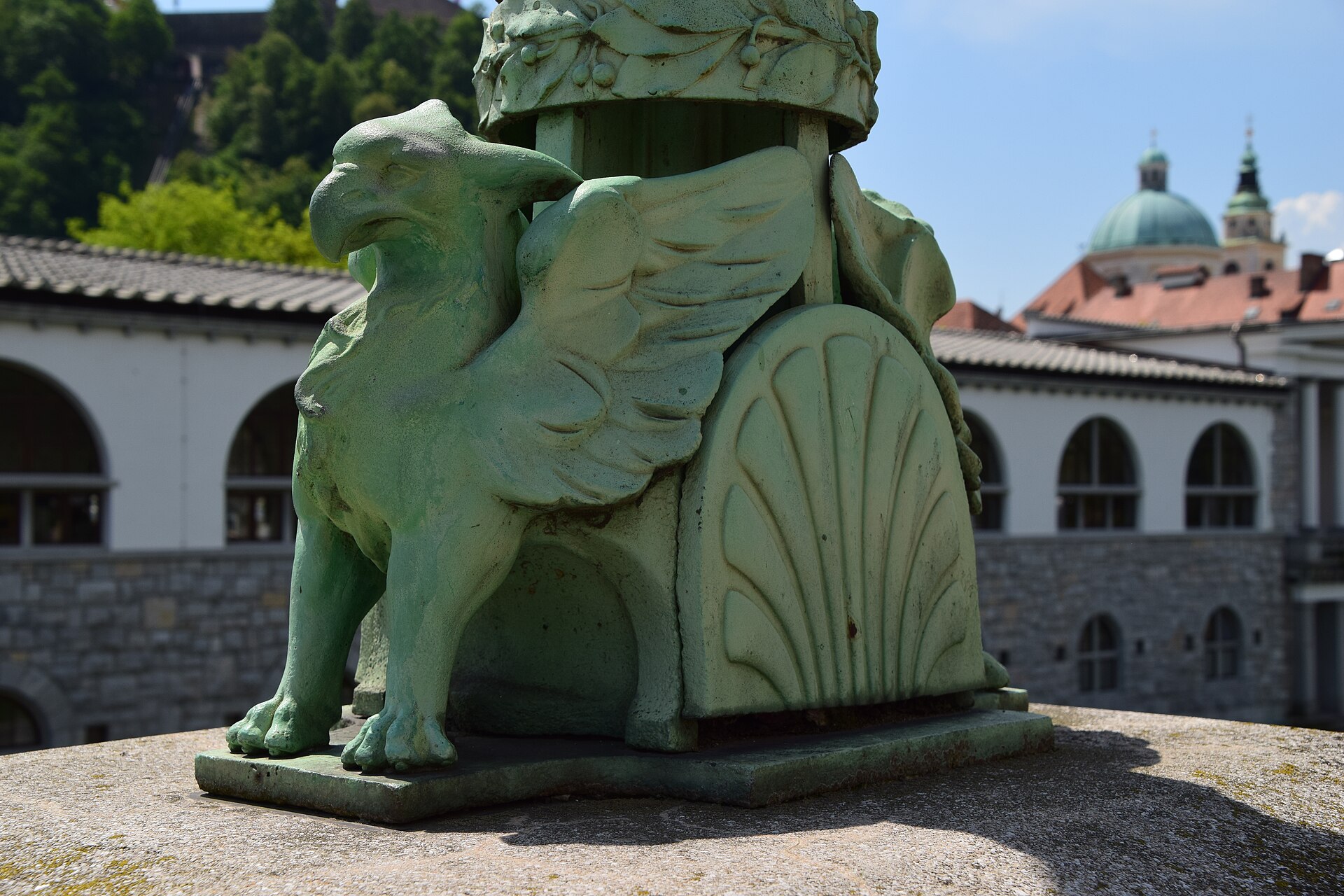
Ljubljana is consistently underrated on the European city-break circuit. It is small enough to feel manageable and charming in a weekend, attractive enough to feel like the trip was worth making, and well-priced enough compared to similar Central European cities that the value is hard to dispute. The main reason people skip it is that they are not sure what is actually there. This guide answers that question directly.
What Ljubljana offers
The old town along the Ljubljanica river is the centerpiece. The pedestrianized riverside -- lined with cafes, restaurants, and bars -- is one of the most pleasant in Central Europe, particularly in good weather when the outdoor terrace scene comes fully alive. The Triple Bridge (Tromostovje), the Robba Fountain, and the covered market designed by the architect Joze Plecnik (who shaped much of Ljubljana's 20th-century character) are all within easy walking distance of each other.
Ljubljana Castle sits above the old town on a forested hill and gives the best panoramic view of the city and the surrounding Julian Alps. The funicular from the old town takes 1 minute (about 5 EUR return) or the path can be walked in about 20 minutes. The castle interior has a reasonable history museum and the view from the watchtower justifies the entry fee (about 15 EUR including funicular).
The covered market (Plecnikova trznica) along the river is the best morning stop in the city -- local produce, fresh bread, cheese, and seasonal vegetables. Best visited before 11am. The adjacent fish market (open Friday mornings) is worth the specific timing if you are in Ljubljana on a Friday.
Metelkova is Ljubljana's alternative culture quarter -- a former Yugoslav army barracks taken over by squatters after independence and turned into an autonomous cultural zone with galleries, clubs, and street art. It is unusual and genuinely interesting for the right kind of traveler. During the day it is quiet; at night it becomes the main nightlife zone.
What a weekend in Ljubljana looks like
Day 1: Morning at the market, then a walk through the old town. The riverside terrace for lunch. Afternoon at the castle. Evening back along the river -- the Trnovo and Krakovo neighborhoods south of the old town have some of the better restaurants and bars in the city at slightly lower prices than the tourist-facing riverside.
Day 2: A half-day trip to Lake Bled (1.5 hours by bus, roughly 6 to 8 EUR each way) is the strongest addition to any Ljubljana weekend. The lake, the island church, and the castle above the water give the trip a visual peak that Ljubljana itself does not quite reach. Return to Ljubljana for the final evening.
Who Ljubljana suits best
Ljubljana works particularly well for couples who want a relaxed, pretty weekend without the overwhelming scale of Prague or Vienna. It suits food-focused travelers, architecture enthusiasts (Plecnik's influence is visible throughout the city), and anyone connecting through Slovenia to Croatia or the wider Balkans who wants to give the country more than a drive-through. It is a weaker choice for travelers who want nightlife or a large city with variety -- Ljubljana is charming but limited in scale.
Cost expectations
Ljubljana is the most expensive city in this guide for accommodation but remains reasonable compared to Western European alternatives. A mid-range hotel in the old town or nearby area costs 100 to 180 EUR per night. A good dinner runs 25 to 40 EUR per person. Daily budget for a comfortable stay: 130 to 180 EUR per person. Two nights in Ljubljana with a Bled day trip is one of the most complete and affordable short-break options in the region.