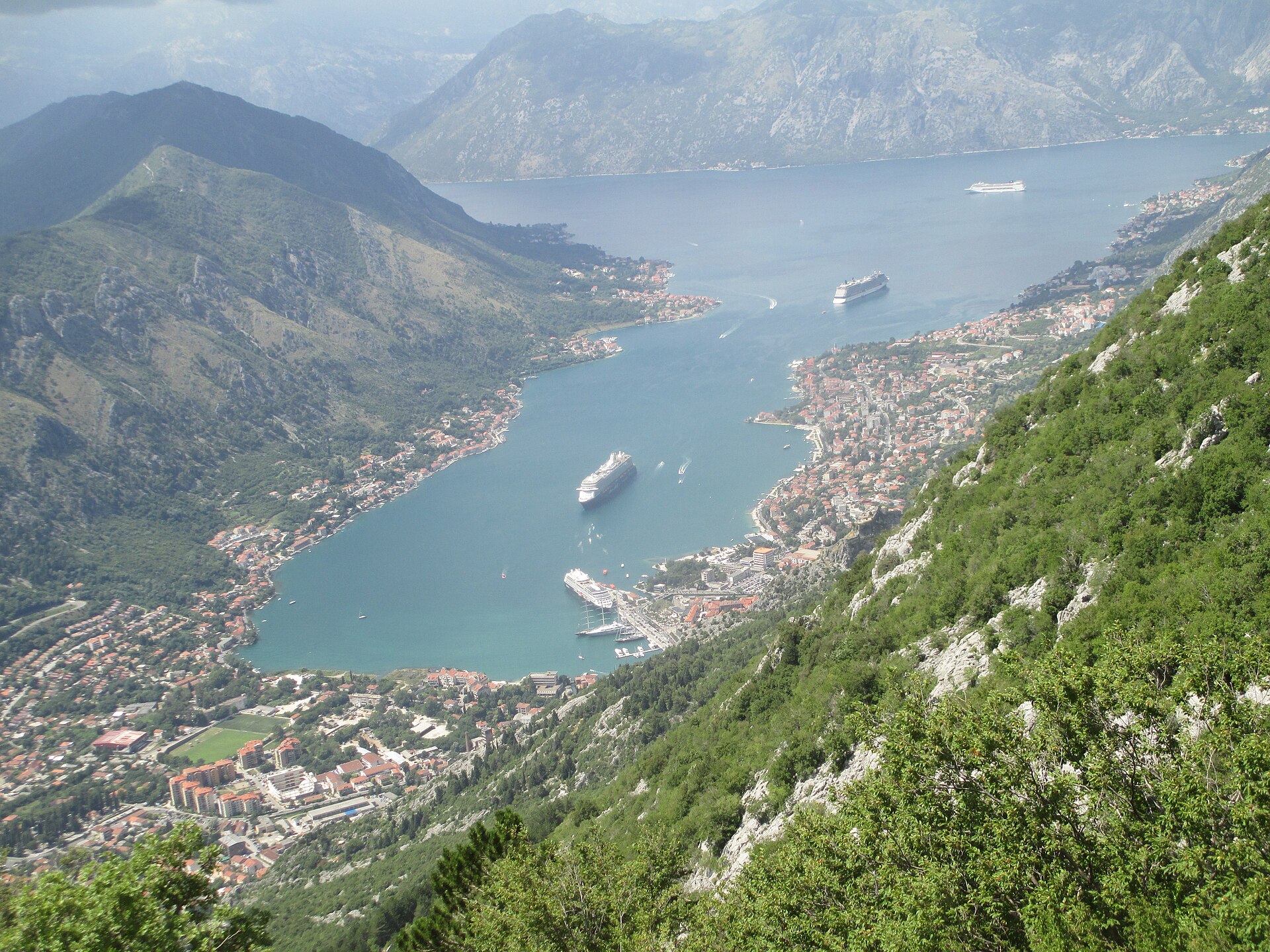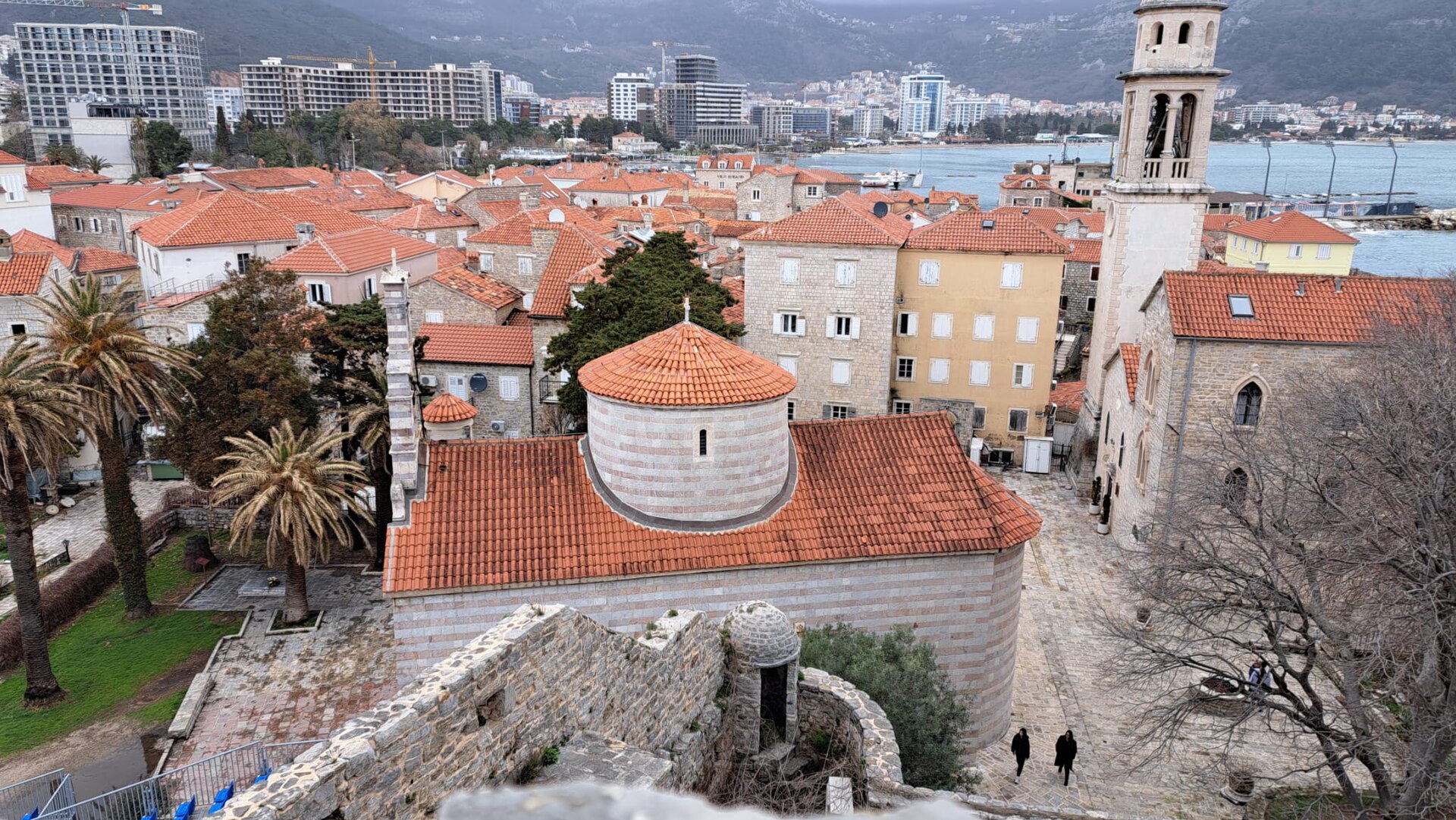
Kotor and Budva are close enough to combine in one trip, but they attract different kinds of travelers and deliver different experiences. Choosing the wrong one as your primary base means spending your short trip wishing you had chosen differently. This guide gives you a clear answer based on what you actually want from Montenegro.
The core difference
Kotor is one of the most visually dramatic small towns in the Mediterranean. A walled old city, a bay that looks engineered by a film set designer, mountains rising directly behind the walls. It rewards slow walking, good dinners, and evenings on a terrace. The atmosphere is the point.
Budva is a beach resort town with a small, charming old town attached. The beaches are easier to access and more plentiful. The overall pace is more relaxed and resort-oriented. It works better when the trip should feel like a proper coastal holiday rather than a scenic city break.
Kotor: who it suits and what to expect
Kotor works best for couples, first-time Montenegro visitors, and anyone who wants one genuinely memorable scenic stop. Two nights is the minimum to feel like you have properly experienced it. Three nights allows for a slower pace and a day trip to the wider bay area or up to the fortress walls.
The old town itself is compact and very walkable. The walls of the old city, the Cathedral of Saint Tryphon, the climb to the fortress above town, and the evening waterfront are the core of what Kotor offers. None of it requires a car once you are based inside or near the old town.
The tradeoff is that Kotor can feel overwhelmed in peak summer when cruise ships dock and day-trippers fill the narrow streets by mid-morning. Visiting in May, June, September, or October gives you the same setting with a fraction of the crowd density.
Best for: Couples, first-time Montenegro visitors, scenery-focused trips, travelers who want the most visually memorable stop in the region.
Cost: Old town hotels range from 80 to 160 EUR per night in peak season. Restaurants in the old town run 15 to 30 EUR per person for dinner. Outside the walls, prices drop noticeably.
Budva: who it suits and what to expect
Budva works best for beach-focused trips, families, and travelers who want coast without Dubrovnik prices. The old town is genuinely attractive and worth an afternoon, but it is not the main reason to be in Budva. The beaches are. Mogren Beach and Slovenska Beach are the most central options. Both are accessible on foot from most central accommodation.
Budva in July and August is very busy and very loud. It has a strong party atmosphere that works well for some travelers and poorly for others. Outside peak summer, it quiets down considerably and becomes a more relaxed coastal base.
One of Budva's best features is its proximity to Sveti Stefan, a tiny fortified island connected to the mainland by a causeway, about 5 kilometers south. Even if you are not staying at the luxury hotel that occupies it, the view from the adjacent beach is one of the most photographed in Montenegro.
Best for: Beach holidays, families, budget-conscious travelers, longer stays of five or more nights, anyone who wants coast as the primary experience.
Cost: Mid-range hotels run 60 to 120 EUR per night in peak season. Food is slightly cheaper than Kotor. A good dinner costs 12 to 22 EUR per person.
Side-by-side comparison
Atmosphere: Kotor wins clearly. The bay setting and walled old city give it a visual drama that Budva simply does not match.
Beach access: Budva wins. More beaches, easier access, better options for a proper beach day.
Crowds in summer: Both are very busy. Kotor suffers more from cruise ship day-trippers. Budva suffers more from peak-season resort crowds.
Value: Budva is slightly cheaper across accommodation and food.
Route fit: Kotor connects naturally with the wider Bay of Kotor, Perast, and Herceg Novi. Budva connects naturally with Sveti Stefan, Petrovac, and the Bar ferry to Italy.
Getting around without a car: Both are manageable. Local buses run between Kotor and Budva frequently for about 2 EUR and take 30 to 45 minutes. Taxis are widely available for short transfers.
Can you do both in one trip?
Yes, and it is one of the most natural short Montenegro routes. Two nights in Kotor and two nights in Budva gives you the atmosphere and the beach in a single short trip. The transfer is under an hour by bus or taxi. Most travelers who try this combination end up feeling like they got a complete picture of coastal Montenegro without overextending the route.
If you only have three nights in Montenegro, base yourself in Kotor and do Budva as a day trip. The reverse also works but Kotor rewards a night significantly more than Budva does for a first-time visitor.
When to go
May, June, and September are the best months for both. July and August are peak season with higher prices and more crowds. Kotor outside summer (October through April) can still be beautiful, but Budva becomes very quiet and many beach facilities close entirely.