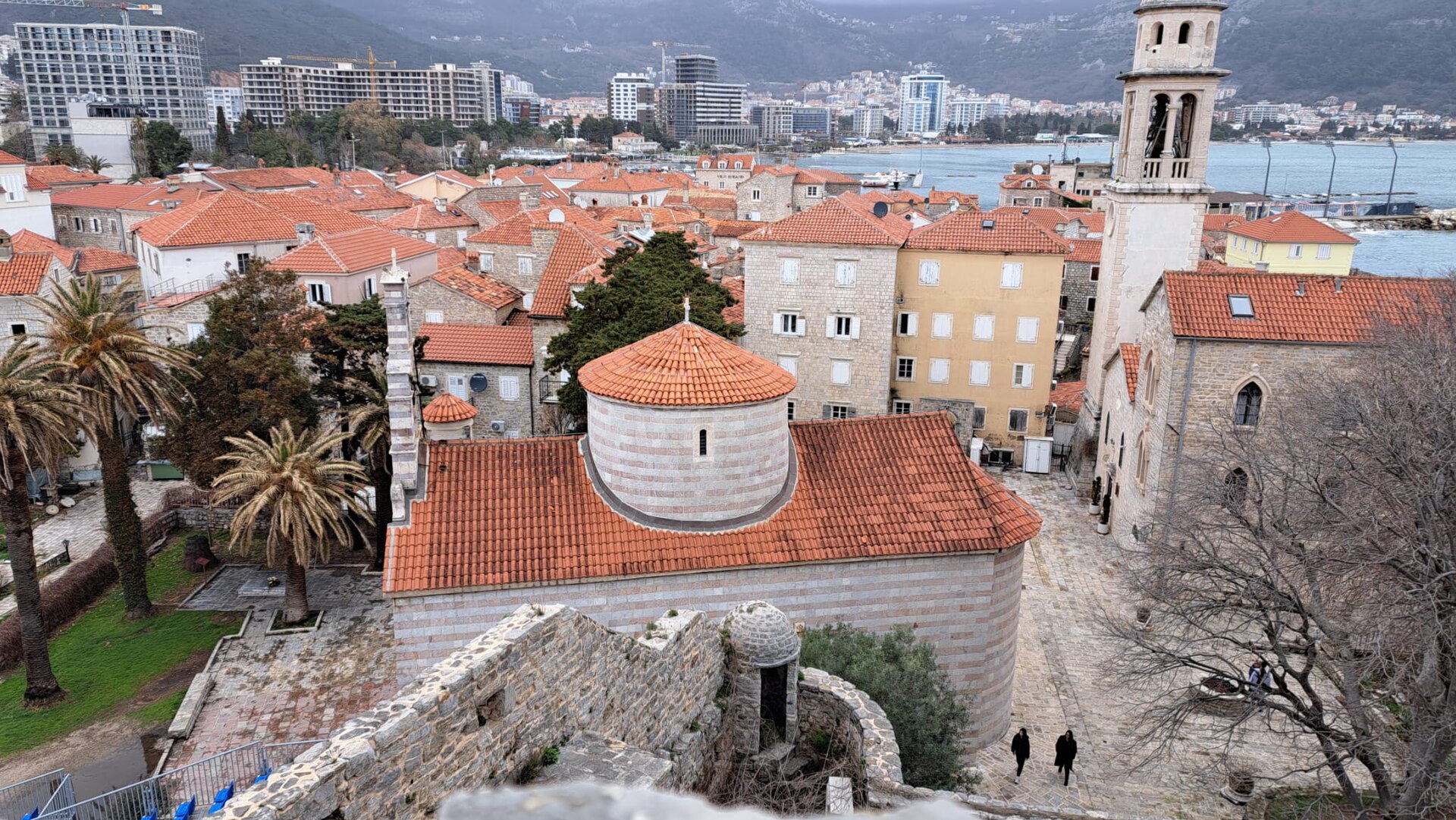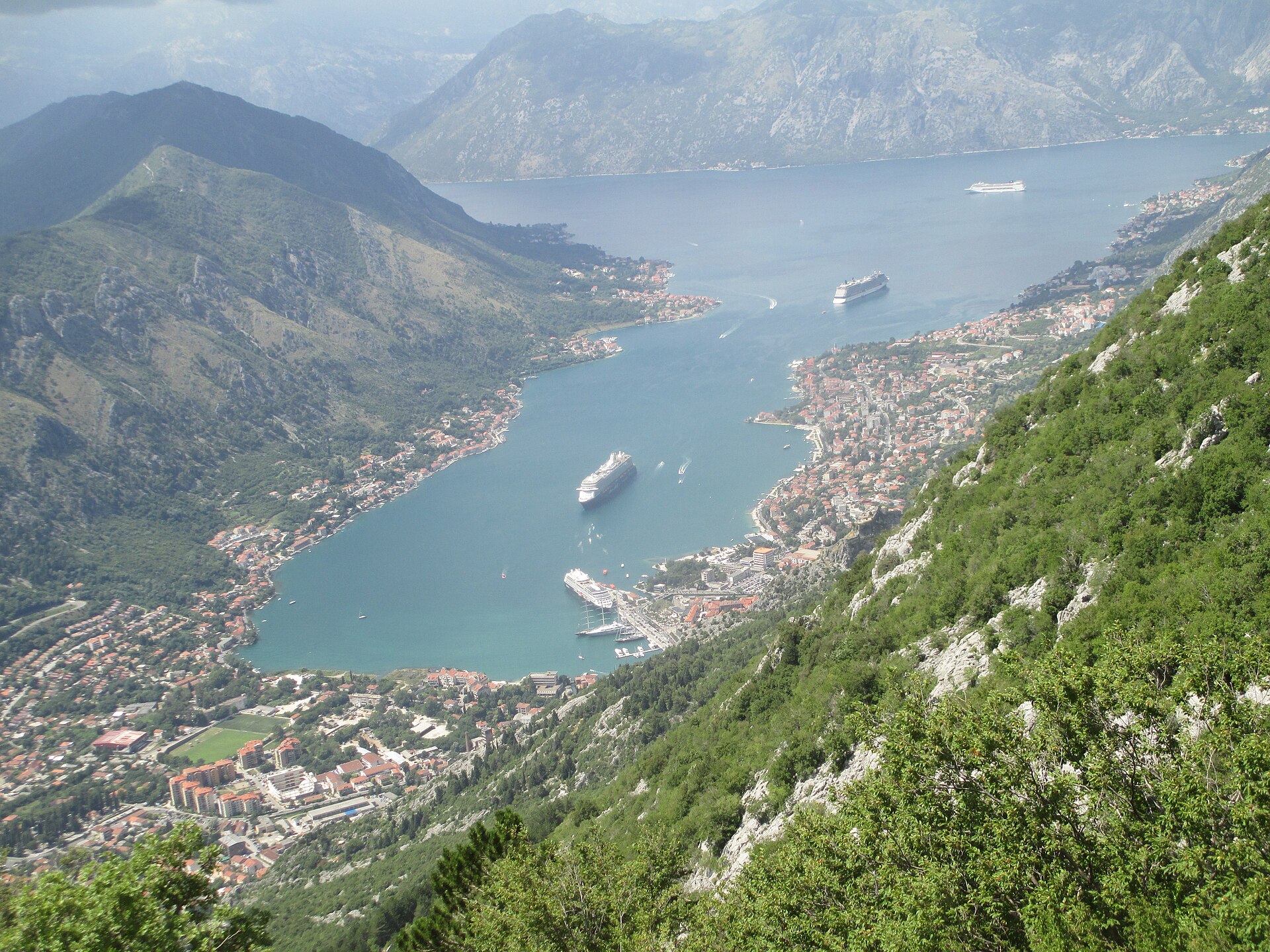
Kotor has a peak season problem similar to Dubrovnik, though at a smaller scale. Cruise ships dock in the Bay of Kotor in summer, day-trippers arrive from Budva, and the narrow lanes of the old town can become genuinely congested by mid-morning in July and August. Outside that window, Kotor is the same dramatic setting with a fraction of the crowd density.
May and June: excellent conditions
May is one of the best months to visit Kotor. The bay is at its most beautiful in spring light -- the mountains behind the old town still have snow on the upper peaks while the lower levels are green and the water is clear. Temperatures are in the low to mid-20s Celsius. Cruise ships are present but fewer than in peak summer. Accommodation prices are 30 to 40 percent lower than July and August.
June builds toward summer. Early June has May-like conditions. By late June, temperatures rise and the first cruise ships of the high season arrive in larger numbers. Booking in May or early June gives you the best combination of weather, crowd levels, and price.
September and October: the strongest alternative to summer
September is often better than any summer month for Kotor. The crowds drop noticeably from the August peak. The sea is warm enough for swimming (around 23 to 24 degrees Celsius). The light is softer and the bay has a different quality in early autumn that many photographers and painters specifically seek out.
October is excellent for the old town itself and for the fortress climb. The temperatures are comfortable for the uphill walk (avoiding the summer heat makes the 1,350-step ascent significantly more enjoyable). The surrounding mountains start to show autumn colours. Some restaurants and accommodation begin reducing hours in late October, but the core of the Kotor experience remains fully operational through the month.
Winter (November through March): the quiet version
Kotor in winter is very quiet and quite beautiful in a specific way. The old town is given over almost entirely to local residents -- the small community that actually lives within the walls. Restaurants and cafes that cater primarily to tourists reduce their hours or close, but local spots remain open. The fortress is accessible on clear days and having it almost entirely to yourself is a genuinely unusual experience.
The bay in winter light -- grey water, snow on the mountains, mist sometimes lying in the valley -- has an atmospheric quality that is completely different from the summer version. Some travelers specifically seek out Kotor in winter for this reason.
The practical trade-offs are real: some accommodation closes entirely, ferry services around the bay reduce, and the beach season does not exist. Budva, 30 minutes away, becomes very quiet. The bay area is predominantly off-season from November through March.
What does not change outside summer
The old town walls, the Cathedral of Saint Tryphon, the fortress above the town, and the fundamental visual drama of the bay setting are identical in every season. The core of what makes Kotor worth visiting is not summer-dependent. The fortress climb, the evening walk along the walls, the waterfront at dusk -- all of these work in May, September, or October just as well as in August and considerably better in terms of crowd management.
Practical notes
Bus connections from Dubrovnik, Sarajevo, and Belgrade operate year-round but with reduced frequency in winter. Accommodation prices outside July and August are significantly lower -- May and October in particular offer some of the best value in the region. Booking in advance is less critical than in summer, but popular guesthouses near the old town still fill for weekends in June and September.