City break

Is Kotor Expensive for a Short Trip?

Kotor is significantly cheaper than Dubrovnik but has gotten more expensive over the past few years as it has become more widely known. Here is what things actually cost — accommodation, food, the walls, transport — so you can plan an honest budget.

Is Kotor Expensive for a Short Trip? cover image
Plan the practical side next

Pair this guide with our destination hub and neighborhood breakdown for Kotor.

The short answer: Kotor is moderate, not cheap

Kotor occupies an interesting middle position in the Balkans cost spectrum. It is meaningfully cheaper than Dubrovnik — about 30-40% less across most categories — but it is not the budget destination it was five or six years ago. The combination of growing popularity, limited accommodation supply inside the old town, and Montenegro's use of the Euro means that Kotor in peak summer (July-August) costs noticeably more than, say, Budva for the same standard of stay, and considerably more than Sarajevo or Belgrade. The shoulder months (May, June, September) are when Kotor offers better value alongside better visiting conditions.

Accommodation costs in Kotor

A mid-range double room in a guesthouse or apartment inside or immediately adjacent to the old town costs €80-130 per night in July and August. The same quality of accommodation drops to €50-80 in May, June, or September. Budget guesthouses and shared hostel rooms start at €20-30 per person in season. Higher-end boutique hotels within the walls run €150-220 per night in peak summer. There are very few large hotels inside the old town — most accommodation is apartments and guesthouses — so supply is genuinely limited, and booking 4-6 weeks ahead for peak summer is advisable.

What food and drink costs in Kotor

A sit-down lunch or dinner at a mid-range restaurant in the old town costs €12-20 per person for a main dish, salad, and a drink. Waterfront restaurants facing the bay tend to be priced slightly higher for the same quality because of the view premium. Local konobas (traditional restaurants) in the streets away from the main square are consistently better value — expect €10-15 per person for a full meal. A coffee costs €1.50-2.50 in most cafes. A local beer runs €2.50-3.50 in most bars; cocktails are €6-10 in the busier evening spots.

The old town has several bakeries and fast-food options that keep lunch costs under €5 — burek pastry and local sandwiches are widely available. The market outside the city walls on the northern side has fresh local produce at low prices for self-catering.

Activity costs in Kotor

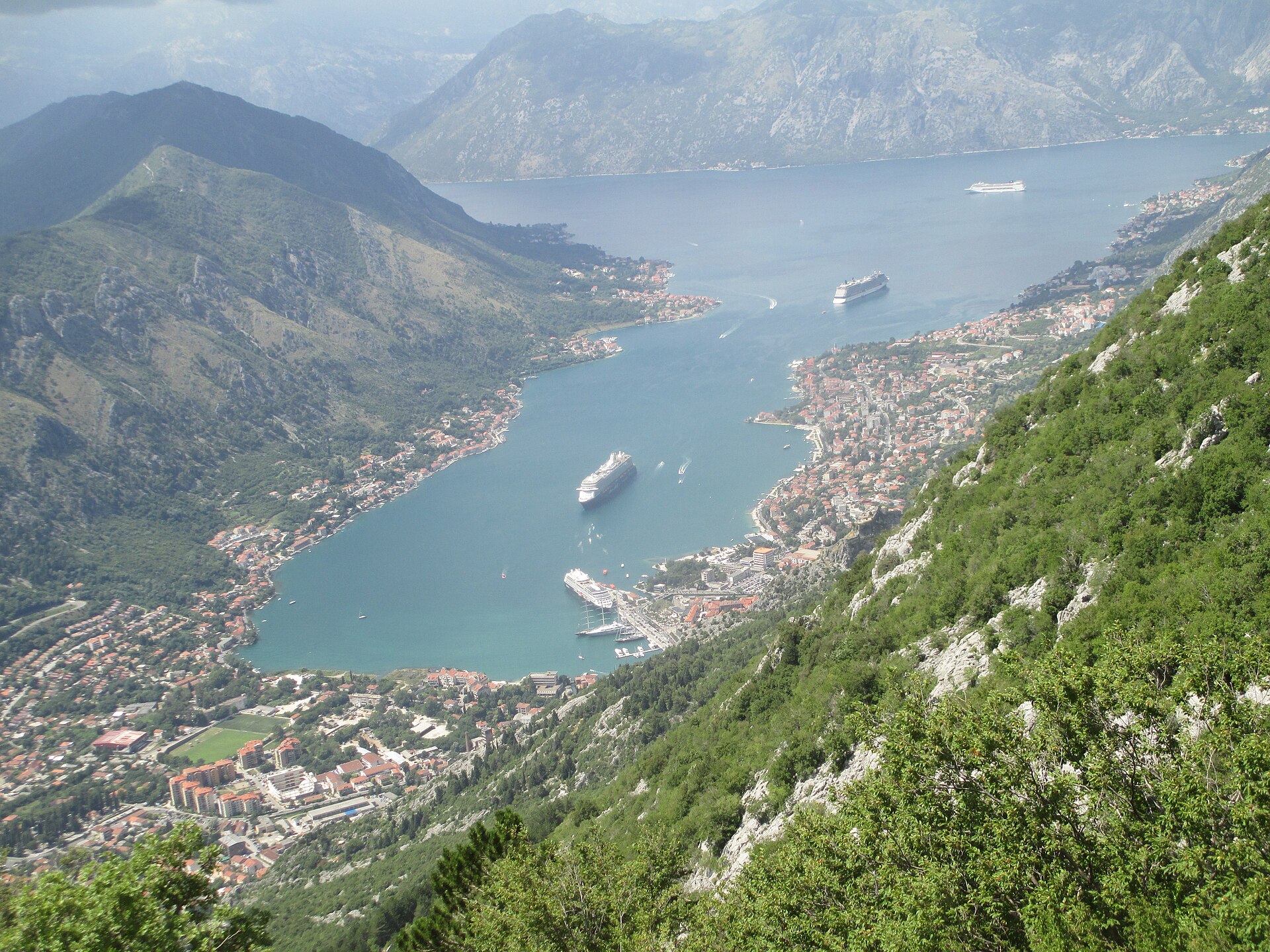
The city walls and St John's Fortress are the main paid activity in Kotor, at €8 per person. The climb (1,355 steps to the top) takes 45-60 minutes and gives views over the bay that are among the best in Montenegro. Entry to the Maritime Museum in the old town costs €6. The Cathedral of Saint Tryphon (the old town's main church, built 1166) requests a €2 donation. Most other old town wandering — the squares, the lanes, the city gates — is free. A boat trip on the bay, offered by several operators from the waterfront, costs €15-25 per person for a 1-2 hour excursion.

Kotor vs Dubrovnik: where the budget differences are largest

The largest cost differences between Kotor and Dubrovnik are in accommodation (30-50% cheaper in Kotor) and the main attraction entry (city walls €8 in Kotor versus €35 in Dubrovnik). Restaurant prices are 20-30% lower. Transport to and from Kotor is also typically cheaper — the Tivat airport is 10km from the old town with taxis costing €15-20, compared to Dubrovnik airport taxi fares that have reached €50-70 in recent years. For a 3-night trip, the total saving from choosing Kotor over Dubrovnik is typically €100-200 per person.

Realistic daily budget for Kotor

Budget traveler (hostel, markets, one restaurant meal): €45-65 per day. Mid-range (guesthouse, two restaurant meals, walls entry, one boat trip): €100-140 per day in peak season, €70-100 in shoulder months. High-end (boutique hotel, restaurant dinners, private bay tour): €180-280 per day in peak season. Montenegro uses the Euro, so there are no currency exchange complications for European travelers.
How to read cost guides correctly

Budget articles work best when travelers use them to set expectations rather than search for one universal price answer. Costs in the Balkans still move a lot depending on season, booking lead time, and whether the trip is hotel-first, food-first, or nightlife-first. The most useful question is not only whether a place is cheap. It is where the money tends to go and what parts of the trip are actually worth protecting.

Where travelers usually misread the budget

Many visitors underestimate how much location and timing affect accommodation costs, then over-focus on saving small amounts on food or coffee. In practice, the hotel or apartment choice usually shapes the entire value conversation. Paying slightly more for a better base often improves the trip enough to feel worthwhile, while choosing the wrong area to save a little can make the whole city feel weaker than it should.

Continue planning this trip

We publish practical English-language Balkan travel content focused on destination fit, neighborhood choice, and smarter booking decisions for first-time visitors.

FAQ

Frequently asked questions

Kotor is mid-range for the Balkans. It is significantly cheaper than Dubrovnik (30-40% less across accommodation, food, and activities) but noticeably more expensive than Sarajevo, Belgrade, Tirana, or Ohrid. It is broadly comparable to Split in Croatia, with the advantage that the city walls entry is €8 versus €35 in Dubrovnik. Shoulder months (May, June, September) offer meaningfully better value than peak July-August.

Entry to the Kotor city walls and St John's Fortress costs €8 per person (2026). The climb involves 1,355 steps to the top and takes 45-60 minutes at a moderate pace. The view from the fortress over the Bay of Kotor is among the best in Montenegro. The walls are best done in the early morning (before 9am) or late afternoon to avoid the heat and the midday crowd of cruise ship visitors.

Yes, significantly. Accommodation in Kotor is 30-50% cheaper than equivalent quality in Dubrovnik. Restaurant meals cost 20-30% less. The city walls entry is €8 versus €35 in Dubrovnik. Tivat airport taxis cost €15-20 versus €50-70 for Dubrovnik airport. For a 3-night trip, the total saving from choosing Kotor over Dubrovnik is typically €100-200 per person while the scenic and cultural experience is comparable.

Budget traveler (hostel, bakery lunches, one restaurant dinner): €45-65 per day. Mid-range (guesthouse, two restaurant meals, walls entry, one bay boat trip): €100-140 per day in peak season (July-August), €70-100 in shoulder months. High-end (boutique hotel, restaurant dinners): €180-280 per day in peak season. Montenegro uses the Euro.

Yes. September in Kotor is typically 20-30% cheaper than July for accommodation, with better availability and no need to book as far in advance. The sea temperature in September is 24-25°C — still warm for swimming — and the cruise ship crowd pressure drops noticeably after the first week of September. September is widely considered the best month to visit Kotor for a combination of weather, value, and crowd levels.

Free download

Take the full guide with you

Our free 21-page PDF covers all Balkan destinations, budgets, transport tips, and ready-made itineraries.

Download free PDF
Related reads

Keep planning

3 Days in Kotor cover image
Itinerary
10 min read

3 Days in Kotor

A practical 3-day Kotor itinerary for first-time visitors who want the best of the old town, bay views, and a pace that lets Montenegro actually feel good.