
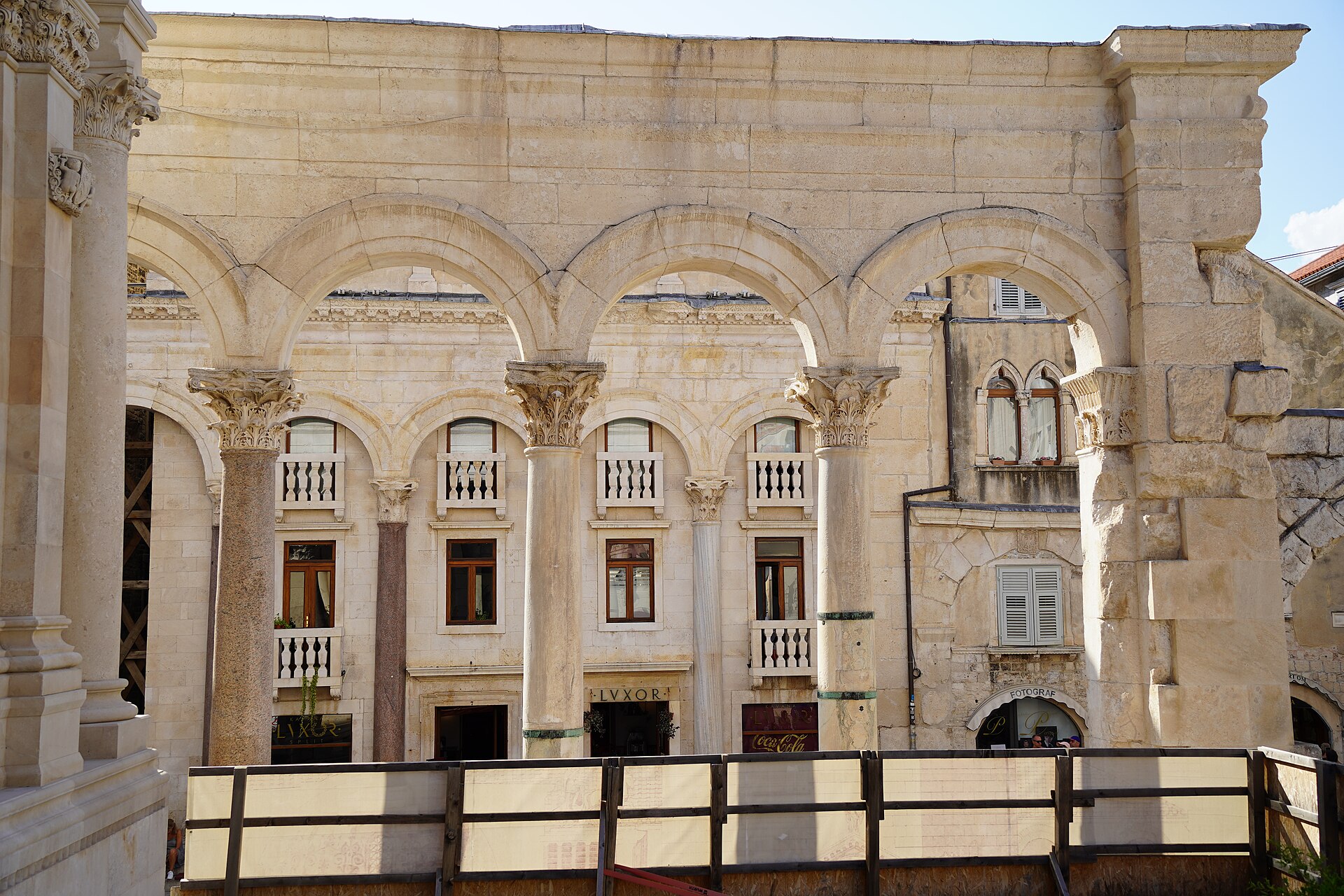
Split is different from most destinations in that the right stay length depends heavily on whether you are treating it as a city destination or as a base for island trips. Those two versions of Split require different amounts of time and different kinds of planning.
Split as a city destination: two nights
If the plan is to see Split itself without island trips, two nights is the right allocation for most first-time visitors. Day one covers Diocletian's Palace (allow two to three hours for a proper walk through the palace complex, including the Cathedral of Saint Domnius, the Peristyle square, and the underground chambers), the Riva waterfront, and the old town streets. Day two can go to Marjan hill (a large forested park on the western peninsula with city views and quiet walking trails), the local market, and a longer lunch or afternoon on the waterfront.
By the end of two nights, most travelers have a clear sense of Split and are ready to move on. The city is genuinely enjoyable but does not have the inexhaustible depth of a Sarajevo or Belgrade -- it rewards two good days more than a week of slow wandering.
Split as an island base: add time per island
The strongest reason to spend more than two nights in Split is island access. Each island trip typically requires a minimum of one night on the island to feel worthwhile -- going to Hvar and back as a day trip is possible but leaves you feeling like you barely touched it.
The most popular combination: two nights in Split, two nights on Hvar, one night on Brac (Bol beach), back to Split for departure. That is a five to six night Croatia coastal trip using Split as the hub, and it covers the best of what the region offers without needing a car (all connections are by ferry).
Ferry timetables and prices: Hvar Town is about 1.5 to 2 hours from Split by catamaran (around 10 to 15 EUR each way). Supetar on Brac is about 50 minutes by car ferry (about 6 EUR per person each way). Korcula is about 3 hours from Split by catamaran (around 15 to 20 EUR).
What to prioritise in Split itself
Diocletian's Palace is the reason Split is on the map and the first thing to understand on arrival. The palace was built in the early 4th century as a retirement residence for the Roman Emperor Diocletian. After his death, it was colonized by residents and has been continuously inhabited ever since. Today, the palace walls contain apartments, restaurants, bars, shops, and the Cathedral (which was originally Diocletian's mausoleum -- one of the older continuously functioning religious buildings in the world). Walking through it, you pass through layers of Roman, medieval, and contemporary life simultaneously. Allow more time than you think you need.
The underground chambers (hypocaust) of the palace are separately ticketed (around 10 EUR) and give you a sense of the original scale of the structure. Worth doing on a first visit.
Marjan hill is the best free thing in Split. The walk to the viewpoint takes about 30 to 40 minutes from the old town and gives you a panorama of the islands on the horizon that contextualizes the whole region.
When to visit Split
May, June, and September are the best months. July and August are peak season -- hot, very crowded in the old town, and at maximum prices. The city is functional in peak summer but the experience is significantly better in shoulder season. October is still warm enough for the coast and considerably quieter. The ferry network runs reduced schedules outside the main season, so check island connections before booking a shoulder-season island trip.