
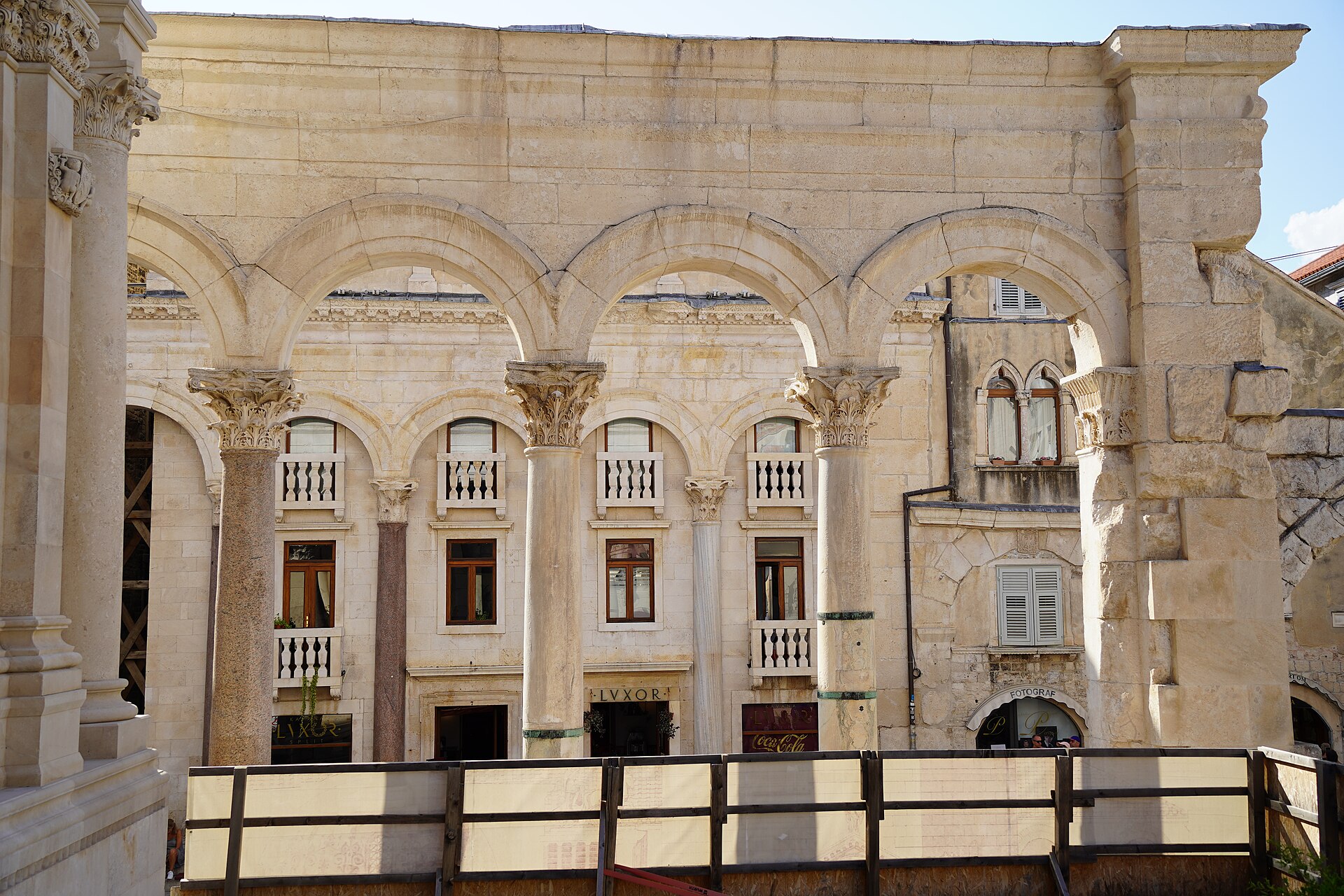
Split is one of the most car-friendly destinations in the Balkans for visitors who do not have one. The old town is entirely pedestrianized. The ferry terminal for island connections is immediately adjacent to the palace walls. Most of what makes Split worth visiting -- the palace, the Riva, Marjan Hill, the islands -- is accessible without a car. This guide breaks down exactly how.
Getting around Split itself
The old town, the Riva waterfront, and Diocletian's Palace are all walkable from any centrally located accommodation. Most visitors to Split do the majority of their city time on foot without ever needing transport. The palace complex, the market (Pazar), and the main attractions are within a 15-minute walk of each other.
Marjan Hill -- the forested peninsula west of the old town with the best views -- is a 20 to 25 minute walk from the palace gates. The walk is pleasant and mostly flat until the final uphill section to the viewpoints. No transport needed.
For Bacvice Beach (Split's main city beach), it is a 15-minute walk south of the old town along the waterfront. Entirely walkable.
Buses cover the wider city (airport, outer neighborhoods) and run frequently. A single ticket costs about 1.50 EUR. Taxis and Bolt (rideshare) are available and inexpensive for short distances -- airport to old town runs about 25 to 35 EUR by taxi.
Island connections without a car
This is where Split's car-free logistics are strongest. The Jadrolinija ferry terminal is literally adjacent to the old town -- a 5-minute walk from the palace gates. All main island ferries and catamarans leave from here. No car is needed to access them and foot passengers are always welcome on all services.
Hvar Town: Catamaran from Split to Hvar Town takes about 1 hour (roughly 10 to 15 EUR each way). Runs multiple times daily in summer, reduced in shoulder season. Hvar Town itself is entirely walkable -- no car needed on the island if you are staying in the town.
Brac (Supetar): Car ferry from Split to Supetar takes 50 minutes (about 6 EUR per person foot passenger). From Supetar, a bus crosses the island to Bol (about 1 hour, roughly 5 EUR). The Bol to Zlatni Rat beach walk takes about 20 minutes from the town centre. Entirely doable without a car.
Korcula: Catamaran from Split to Korcula Town takes about 3 hours (roughly 15 to 20 EUR each way). Korcula Town is walkable. No car needed if staying in the town.
Vis: Catamaran from Split to Vis Town takes about 2.5 hours (roughly 15 EUR each way). The island is harder to explore fully without a car or scooter, but Vis Town itself is fine on foot.
Getting to Split without a car
From Zagreb: Bus from Zagreb main bus station to Split takes 5 to 6 hours and costs roughly 20 to 30 EUR. Buses run several times daily. The Split bus station is about 10 minutes walk from the old town.
From Dubrovnik: Bus from Dubrovnik to Split takes about 4 to 5 hours and costs roughly 15 to 25 EUR. Runs several times daily.
From Sarajevo: Bus takes about 4.5 to 5.5 hours and costs roughly 15 to 22 EUR. The route goes through Bosnia and Herzegovina -- a beautiful drive through mountain terrain.
By air: Split airport is about 25 kilometers from the centre. Buses run to the town centre (about 5 EUR, 30 to 40 minutes). Taxis cost about 35 to 50 EUR.
When a car is actually useful in Split
A car becomes useful in Split primarily if the plan involves exploring the wider Dalmatia region -- driving the coastal road (Magistrala) north toward Trogir and Sibenik, visiting Plitvice Lakes (2 hours inland), or exploring the remote parts of islands like Vis or Hvar's interior. For a purely Split-based trip with island day trips or overnight stays in island towns, a car adds nothing and the ferry logistics are more practical without one.