
Zagreb is a compact city and the central areas are all within walking distance of each other. The accommodation decision is simpler here than in larger cities -- the main question is whether you want to be closest to the historic upper town or in the more modern lower town that has better transport links and often more hotel options.
Gornji Grad and the upper town fringe
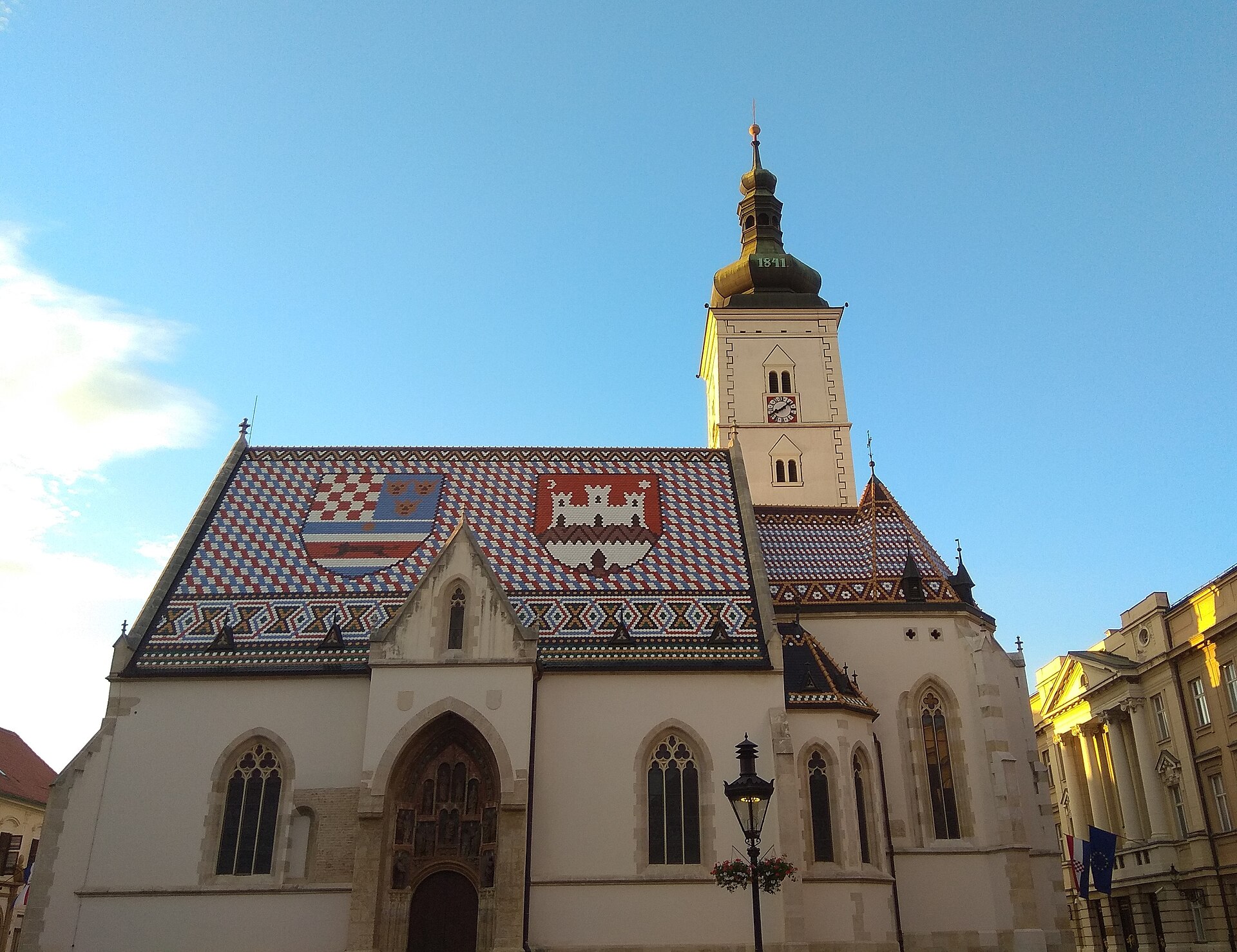
The upper town (Gornji Grad) is the historic heart of Zagreb -- St. Mark's Church, the Lotrscak Tower, the funicular, and the Cathedral view. Staying in or immediately adjacent to this area puts you in the most atmospheric part of the city. The streets are quieter and more residential than the lower town, which some travelers love and others find slightly removed from the main hotel and restaurant concentration.
Accommodation in and around the upper town tends toward boutique hotels and apartments rather than large hotel brands. Prices are typically 90 to 160 EUR per night for a mid-range double. The area is most pleasant for travelers who want to walk outside their accommodation and feel like they are immediately in the historic fabric of the city.
Best for: Couples, travelers who prioritize atmosphere, anyone who wants Zagreb to feel historic and residential from the first evening.
Donji Grad and the main centre
The lower town (Donji Grad) is the main commercial and hotel zone. The main square (Ban Jelacic Square) is here, the tram network runs through it, the Dolac market is at its edge, and most of the larger hotels are located in this area. It is the most practical base for first-time visitors who want easy logistics and a wide range of restaurant and cafe options within walking distance.
Staying in Donji Grad means the upper town is a short funicular ride or uphill walk away. The Museum of Broken Relationships and most of the city's main museums are also in or near this zone. Mid-range hotels here typically cost 90 to 160 EUR per night, similar to the upper town, but the range of options is wider and includes more international hotel brands.
Best for: First-time visitors who want the most practical base, travelers who prefer a standard hotel setup, anyone using Zagreb as a route hub with early or late transport connections.
Tkalciceva Street area
The pedestrian Tkalciceva Street and its surrounding area is the best concentration of cafes, bars, and restaurants in Zagreb. It sits between the upper and lower town and is a strong location for travelers who want the city's social scene within immediate walking distance. Some good boutique hotels and apartments are in this area. Prices are typically comparable to Donji Grad.
The trade-off is that Tkalciceva itself can be noisy late into the night on weekends. Check reviews specifically for noise levels if you are sensitive to this.
What to avoid
Avoid booking in the hotel zones further from the centre (near the convention centre or in outer districts) unless you have a specific reason. Zagreb's centre is where the experience is and the tram network, while functional, adds friction to every part of the day when your base is not central. The price saving for a remote location is rarely worth it for a short leisure visit.
Practical notes
Zagreb is very walkable and most of the main sights are within a 20-minute walk of any central accommodation. The tram network is efficient if you need it -- a single ticket costs about 1 EUR and the network covers most of the city. Taxis and rideshare apps work well. The airport bus runs from the main bus station every 30 minutes and is the most reliable way to get to and from the airport for about 5 EUR.
Zagreb does not have strong seasonality in terms of accommodation availability, though summer (July and August) and Advent/Christmas (late November through early January) are busier periods with higher prices. The Advent market in December is one of the most popular in Central Europe and significantly increases demand for central accommodation in that period. Book well in advance if visiting in December.