
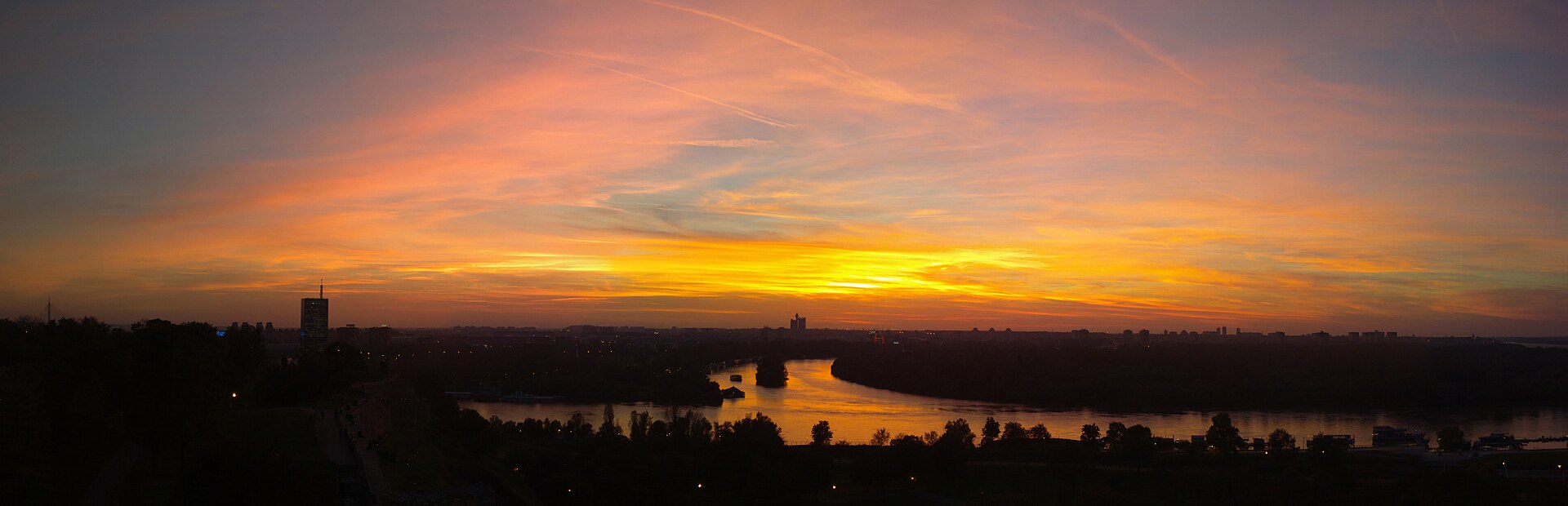
Belgrade is a city that rewards choosing the right base. The three main areas for first-time visitors -- Stari Grad, Vracar, and Dorcol -- are all genuinely good, but they deliver different versions of the city. Choosing well means the trip feels effortless. Choosing poorly means spending your stay in transit between where you are and where you actually want to be.
Stari Grad: the easiest first answer
Stari Grad is the historic core of Belgrade and the natural default for first-time visitors. Kalemegdan Fortress is here, the main pedestrian zone Knez Mihajlova Street runs through it, and the area has a concentration of cafes, restaurants, and accessible sightseeing that makes the first day easy to navigate. If this is your first visit and you have three nights or fewer, Stari Grad removes the most friction.
The area is not the most characterful in Belgrade -- parts of it feel more tourist-facing and less authentically local than Vracar or Dorcol. But it is the most reliable base for a short first visit where familiarity and access matter more than neighborhood identity.
Mid-range hotels in Stari Grad typically cost 70 to 120 EUR per night. The range is wide because some boutique properties command a premium for the location while functional business hotels undercut them significantly.
Best for: First-time visitors, short stays of two to three nights, travelers who want convenient access to the main sights without needing to think too hard about logistics.
Vracar: the best area for a calmer, more local stay
Vracar is a residential neighborhood south of the centre with one of the best cafe cultures in Belgrade. The Church of Saint Sava -- one of the largest Orthodox churches in the world -- dominates the skyline, and the streets around it are lined with good coffee spots, local restaurants, and a pace that feels noticeably less rushed than the tourist centre.
Staying in Vracar gives you a more genuine read of how Belgrade actually lives. It is a 15 to 20 minute walk from Stari Grad or a short tram ride. The trade-off is that you are slightly further from the main sightseeing zone, which matters more on a very short trip than on a longer one.
Hotels and apartments in Vracar are often slightly cheaper than equivalent quality in Stari Grad. A good mid-range option typically costs 60 to 100 EUR per night. Apartments via Booking.com tend to offer particularly good value in this area.
Best for: Couples, travelers on four or more nights, anyone who wants Belgrade to feel like a real city rather than a tourist destination, coffee and food-focused stays.
Dorcol: the best area for food, bars, and city energy
Dorcol is the neighborhood that has changed most in Belgrade over the last decade. Situated between Stari Grad and the Danube, it combines older building stock with one of the best concentrations of independent restaurants, bars, and coffee shops in the city. The Skadarlija bohemian quarter is at its edge. The riverfront is a short walk away.
If the trip is built around eating well, exploring independent bars, and feeling like you have found the most current version of the city, Dorcol is the best base. It is also the area where the infamous Belgrade floating river clubs (splavovi) are most accessible, for anyone who wants that side of the city.
The area is lively and can be noisy at night, particularly on weekends. Check reviews specifically for noise levels before booking if that matters to you. A mid-range hotel or apartment in Dorcol costs roughly 65 to 110 EUR per night.
Best for: Food and nightlife-focused travelers, repeat visitors who want to go deeper into the city, solo travelers, younger crowds, anyone who has already done the main sights on a previous trip.
What to avoid
Avoid booking in New Belgrade (Novi Beograd) unless you have a specific reason to be there (conference centre, specific hotel deal). It is across the river, functionally disconnected from the walkable city, and adds significant transit time to every part of the trip. The price saving is rarely worth it for a short leisure stay.
Also avoid booking on price alone without checking the specific street location. Belgrade is a city where one block can make a significant difference to how the stay actually feels. Read recent reviews for location comments before committing.
How many nights in Belgrade?
Three nights is the sweet spot for a first visit. Day one covers Kalemegdan, the main centre, and a good first dinner. Day two goes deeper -- Vracar, the market, a longer lunch, evening drinks in Dorcol. Day three is flexible: a museum, a river walk, one more good meal before departure. Four nights works well if you want to add a day trip to Novi Sad (about 1 hour by bus or train, 4 to 6 EUR).
Practical booking tips
Belgrade does not have strong peak seasonality in the way coastal destinations do, but the Exit Festival in Novi Sad (usually July) and various Belgrade events in summer push demand up across the city. Book at least two to three weeks in advance for summer visits. The rest of the year, last-minute availability is usually fine. Shoulder season (April, May, September, October) offers excellent value and comfortable temperatures.