
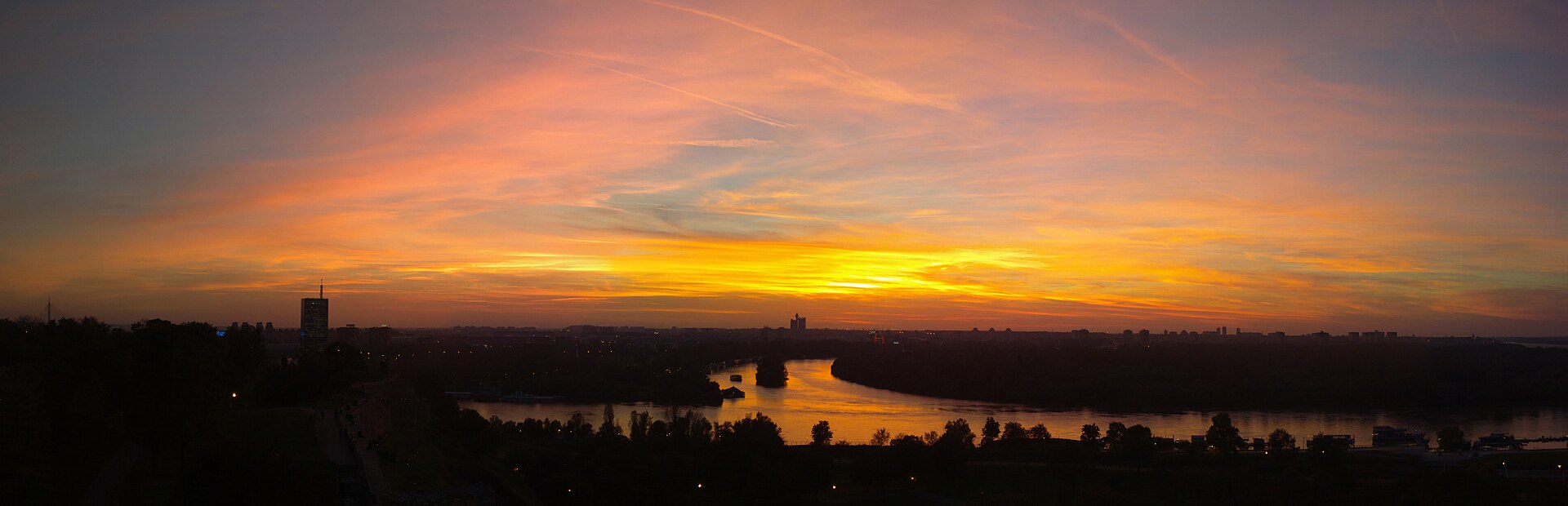
Belgrade over three days works best when the itinerary respects what the city actually is: a large, layered, slightly chaotic urban place that rewards neighborhood exploration more than landmark ticking. This is a day-by-day plan built around how Belgrade actually functions rather than what the tourist brochures suggest.
Before you arrive: where to base yourself
The three best areas for first-time visitors are Stari Grad (easiest and most central), Dorcol (best for food and bars, most current), and Vracar (most residential and local-feeling). All three are within walking distance of the main sights. Avoid New Belgrade unless you have a specific reason to be there -- it is across the river and requires transport to reach the walkable city.
Mid-range hotels in Stari Grad and Dorcol run roughly 70 to 120 EUR per night. Apartments via Booking.com in Vracar often offer better value for stays of three or more nights.
Day 1: Kalemegdan, Stari Grad, and the first evening in Dorcol
Start at Kalemegdan Fortress. The fortress sits at the confluence of the Sava and Danube rivers and is the most important historical site in Belgrade -- it has been fought over by Romans, Byzantines, Ottomans, Austro-Hungarians, and Serbs across two millennia. The views from the ramparts over the two rivers are the strongest panoramic view in the city. Allow 1.5 to 2 hours. Entry to the grounds is free; some museums within the fortress charge a small fee.
From Kalemegdan, walk down Knez Mihajlova Street -- the main pedestrian thoroughfare through Stari Grad. It is lined with cafes, bookshops, and some of Belgrade's older buildings. Not the most characterful street in the city but a useful orientation walk. It deposits you near Republic Square (Trg Republike) at the southern end.
Lunch: somewhere in Stari Grad or at the edge of Dorcol. Rakia Bar on Dobracina Street is one of the better traditional options with a good selection of Serbian food and an introduction to rakija (fruit brandy) if you want it. Lunch for two runs 20 to 30 EUR.
Afternoon: walk into Dorcol. The streets between Cara Dusana and the Danube waterfront have the best concentration of independent cafes, bars, and small restaurants in Belgrade. This is the part of the city that has changed most in the last decade and it shows -- there is genuine energy here without the forced trendiness of some European gentrified neighborhoods.
Evening: Dorcol for dinner. Mala Fabrika Ukusa (Small Flavor Factory) is one of the most reliable restaurants in the area for Serbian food done well at reasonable prices. Dinner for two with wine runs 35 to 50 EUR.
Day 2: Vracar, the market, and Skadarlija
Start the morning at the Kalenic Market (Kalenickeva pijaca) in Vracar. This is one of Belgrade's best neighborhood markets -- fresh produce, local dairy, seasonal vegetables, and a pace that reflects how the city actually lives rather than how it presents itself to visitors. Arrive before 10am for the best selection. Grab breakfast from one of the burek or pastry stands at the market edge.
From the market, walk through Vracar. The Church of Saint Sava -- one of the largest Orthodox churches in the world -- dominates the neighborhood skyline. The exterior is extraordinary in scale; the interior is still being finished in Byzantine mosaic style and is worth seeing at whatever stage of completion it is currently at. Entry is free.
The streets around the church and along Beogradska Street have some of Belgrade's best cafes. This is a good mid-morning coffee stop neighborhood -- slower and more residential than Dorcol, but that is the point.
Lunch: return toward the centre or eat in Vracar. Smokvica in Vracar is a good option for a slightly more refined Serbian lunch. Alternatively, walk toward Skadarlija for the afternoon.
Skadarlija is Belgrade's old bohemian quarter -- a cobbled street lined with traditional kafanas. It is tourist-facing but not cynically so. The kafanas here (Tri Sesira, Dva Jelena) have been operating for over a century and the atmosphere of live folk music, long tables, and a lot of food is genuine even if you are sharing the space with other visitors. A full kafana dinner for two with wine and music runs 40 to 60 EUR. Worth doing at least once.
Day 3: Savamala, the river, and a slower pace
Savamala is Belgrade's arts and culture district along the Sava river -- warehouses converted into galleries, clubs, and creative spaces. During the day it is quiet and worth walking through for the street art and the river views. At night it becomes the center of Belgrade's nightlife scene.
The Mikser House complex in Savamala is worth a stop -- a multi-use creative space with a cafe, small shops, and rotating exhibitions. Good for a late morning coffee with a view of the Sava.
Afternoon: the Ada Ciganlija peninsula is Belgrade's main outdoor leisure area -- a river island connected to the mainland with walking and cycling paths, cafes, and in summer a river beach. It is about 20 minutes by bus from the centre and gives a completely different read of the city. Worth an afternoon if the weather is good and you want to see where Belgraders actually spend their weekends.
Final dinner: back toward Dorcol or Stari Grad. Langouste in Stari Grad is one of the better seafood options in a landlocked city (surprisingly strong). Alternatively, use the last evening to revisit whichever neighborhood felt strongest on the first two days and let the evening run without too much agenda.
Food essentials for three days in Belgrade
Pljeskavica -- Serbian grilled meat patty, served in flatbread with kajmak, ajvar, and onions. The best are found at proper pljeskavica stands rather than sit-down restaurants. Loki near Skadarlija is well regarded. Cost: 3 to 5 EUR.
Gibanica -- Cheese and egg pastry, similar to burek. Available at most bakeries throughout the city. Best in the morning. Cost: 1.50 to 2.50 EUR.
Rakija -- Serbian fruit brandy, most commonly made from plums (sljivovica), quince (dunja), or apricot (kajsija). Served as a welcome drink at many restaurants. Do not confuse it with rakia -- the Serbian version is typically stronger and less sweetened than some other regional versions.
Kafana lunch -- A traditional Serbian lunch at a kafana (not necessarily Skadarlija -- any neighborhood kafana works) costs 12 to 18 EUR per person and typically involves soup, a grilled meat main, salad, and bread. This is the best-value way to eat well in Belgrade.
Practical notes
Belgrade uses the Serbian dinar (RSD). Current rate is roughly 117 RSD to 1 EUR. Most central cafes and restaurants accept cards but having some cash is useful for markets, bakeries, and smaller spots. Taxis are metered and inexpensive -- most rides within the centre cost 3 to 7 EUR. Bolt and Yandex operate as rideshare apps in Belgrade and are reliable alternatives to street taxis.