
Belgrade and Zagreb are both excellent city-break destinations, but they appeal to genuinely different kinds of travelers. Choosing between them is less about which city is objectively better and more about which version of a Central European city break you actually want.
The core difference in one sentence
Zagreb is polished, compact, and easy. Belgrade is rougher, more energetic, and cheaper. Those are different trips, not different quality levels.
Zagreb: what it actually offers
Zagreb is one of the most underrated short-break destinations in Europe. The upper town (Gornji Grad) has a compact, atmospheric historic core with the Cathedral, St. Mark's Church, and the Lotrscak Tower. The lower town has excellent museums, good restaurants, and a cafe culture that rivals much larger cities. The weekend antique market at Britanski Trg is one of the best in the region.
Zagreb is the kind of city that works well for travelers who want a European city break that feels complete and polished without being overwhelming. It is very walkable, easy to understand quickly, and has a good range of quality restaurants and bars without requiring much research to find them.
Two nights is usually enough for a first visit. Three nights is comfortable and allows for a day trip to Plitvice Lakes (about 2 hours by bus) or the Samobor area.
Best for: Couples, first-time Balkans visitors who want a gentle entry point, travelers who appreciate good food and cafe culture, anyone connecting through Croatia to the coast.
Cost: Zagreb is more expensive than Belgrade. A mid-range hotel in the centre costs 100 to 170 EUR per night. A good dinner runs 20 to 35 EUR per person. It is comparable to mid-tier Western European cities in price but often punches above its weight in quality.
Belgrade: what it actually offers
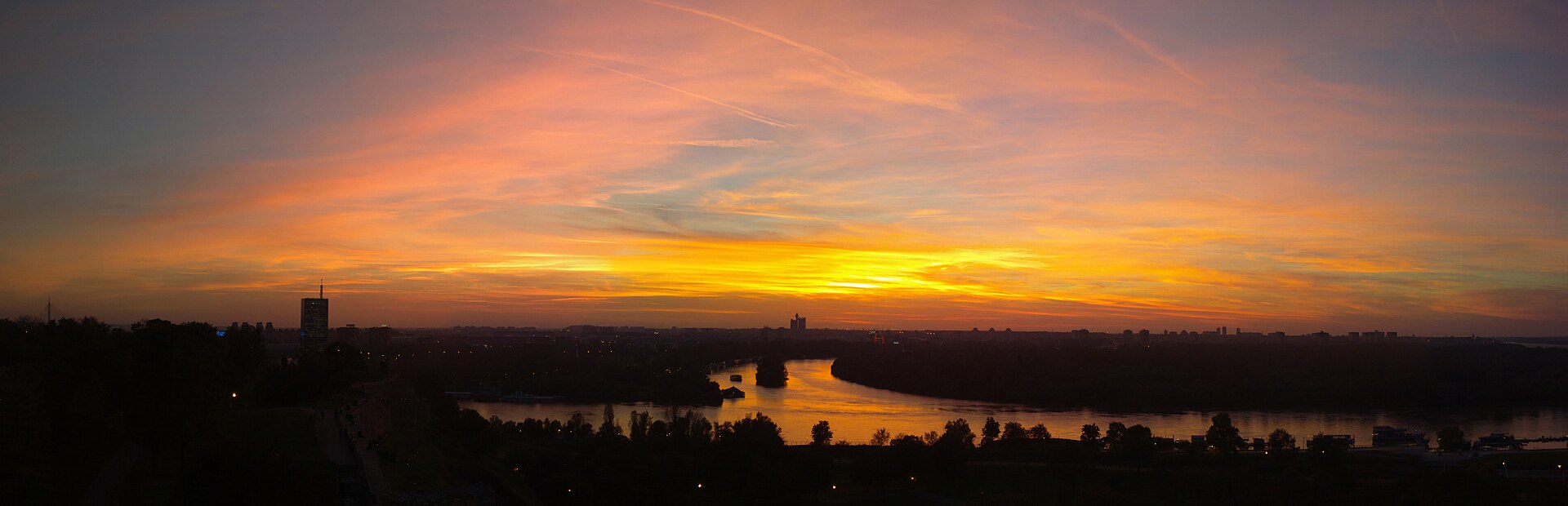
Belgrade is a bigger, louder, more complex city than Zagreb. Kalemegdan Fortress at the confluence of the Sava and Danube rivers is one of the strongest urban fortresses in Europe. The neighborhoods of Dorcol, Vracar, and Savamala each have distinct personalities. The food scene is genuinely strong with a good mix of traditional Serbian cooking and newer restaurant concepts. The nightlife is extraordinary by any European standard.
Belgrade is a city that reveals itself over time. A first visit in two nights gives you the highlights. A third and fourth day starts to show you why people keep coming back. The pace is faster and more chaotic than Zagreb, which some travelers love and others find tiring.
Three nights is the recommended minimum for a first Belgrade visit. A day trip to Novi Sad (1 hour by bus, about 4 to 6 EUR) is a natural and easy addition.
Best for: Travelers who want city energy and nightlife, food-focused trips, value-conscious travelers, anyone who finds Zagreb slightly too quiet.
Cost: Belgrade is significantly cheaper than Zagreb. A mid-range hotel in the centre costs 70 to 120 EUR per night. A good dinner runs 12 to 22 EUR per person. It is one of the best-value city breaks in Europe for its quality level.
Side-by-side comparison
Atmosphere: Different rather than one being better. Zagreb is refined and manageable. Belgrade is intense and alive. Know which one you want before you book.
Food: Both are strong. Zagreb has excellent Croatian cuisine and a polished restaurant scene. Belgrade has very good Serbian food and a broader range of eating options at lower price points. Edge to Belgrade on value, edge to Zagreb on refinement.
Nightlife: Belgrade wins significantly. The river club (splav) scene on the Sava and Danube is unlike anything else in the region. Zagreb has good bars but nothing comparable in scale or energy.
Museums and culture: Zagreb wins. The Museum of Broken Relationships, the Museum of Arts and Crafts, and the Mimara Museum are all genuinely good. Belgrade's museums are interesting but less visitor-friendly.
Value: Belgrade wins clearly. You get more for your money in Belgrade across accommodation, food, and drink.
Ease of navigation: Zagreb wins. It is more compact and easier to understand quickly. Belgrade takes a day to orient yourself.
Route logic: which fits your wider trip better?
Zagreb connects naturally with Ljubljana (2 hours by train), Split (4 to 5 hours by bus), and Dubrovnik (8 to 9 hours by bus). It is the natural starting point for a Croatia-focused trip or a trip combining Slovenia and Croatia.
Belgrade connects naturally with Sarajevo (6 hours by bus), Novi Sad (1 hour), Skopje (5 hours by bus), and Budapest (3 hours by train). It is the natural starting point for a Serbia and wider Balkans trip heading south or east.
If your trip is primarily Croatia: start in Zagreb. If your trip is primarily Serbia and the western Balkans: start in Belgrade. If you want both cities in one trip, the bus between them takes about 5 to 6 hours and costs around 15 to 20 EUR.