
Tirana is one of the most consistently underestimated city-break destinations in Europe. Most travelers skip it in favor of better-known Balkans names, which means those who do visit almost always leave surprised by how much they liked it. A weekend in Tirana in 2026 gives you a genuinely interesting city at very affordable prices.
What Tirana does well
The Blloku district is the most compelling part of the city. Once sealed off for the exclusive use of the communist party elite under Enver Hoxha, it opened to the public after the fall of communism in 1991 and has since become the most vibrant neighborhood in the city. The streets are filled with good cafes, restaurants, and bars. The food quality has improved dramatically in recent years and Blloku now has some of the best eating in the Balkans at prices well below regional competitors.
The BunkArt museums are the most distinctive cultural experiences in Tirana. BunkArt 1 is located in a massive communist-era nuclear bunker on the outskirts of the city (reached by taxi, about 10 minutes from the centre) and documents the history of the Albanian communist regime with some of the bunker's original facilities preserved. BunkArt 2 is in a smaller bunker in the city centre and focuses on the history of the secret police (Sigurimi). Both are genuinely fascinating and unlike anything else in the region. Entry to each costs about 8 EUR.
The National History Museum on Skanderbeg Square has a comprehensive collection covering Albanian history from antiquity through the communist period. The mosaic facade of the museum -- depicting Albanian history in Soviet-style heroic imagery -- is itself worth seeing. Entry is about 5 EUR.
The street art across the city is among the most interesting in the Balkans -- a legacy of the city's transformation from one of the greyest communist capitals in Europe to a deliberately colorful post-communist city (the mayor in the early 2000s famously had all the grey communist-era buildings painted in bright colors).
What a weekend in Tirana looks like
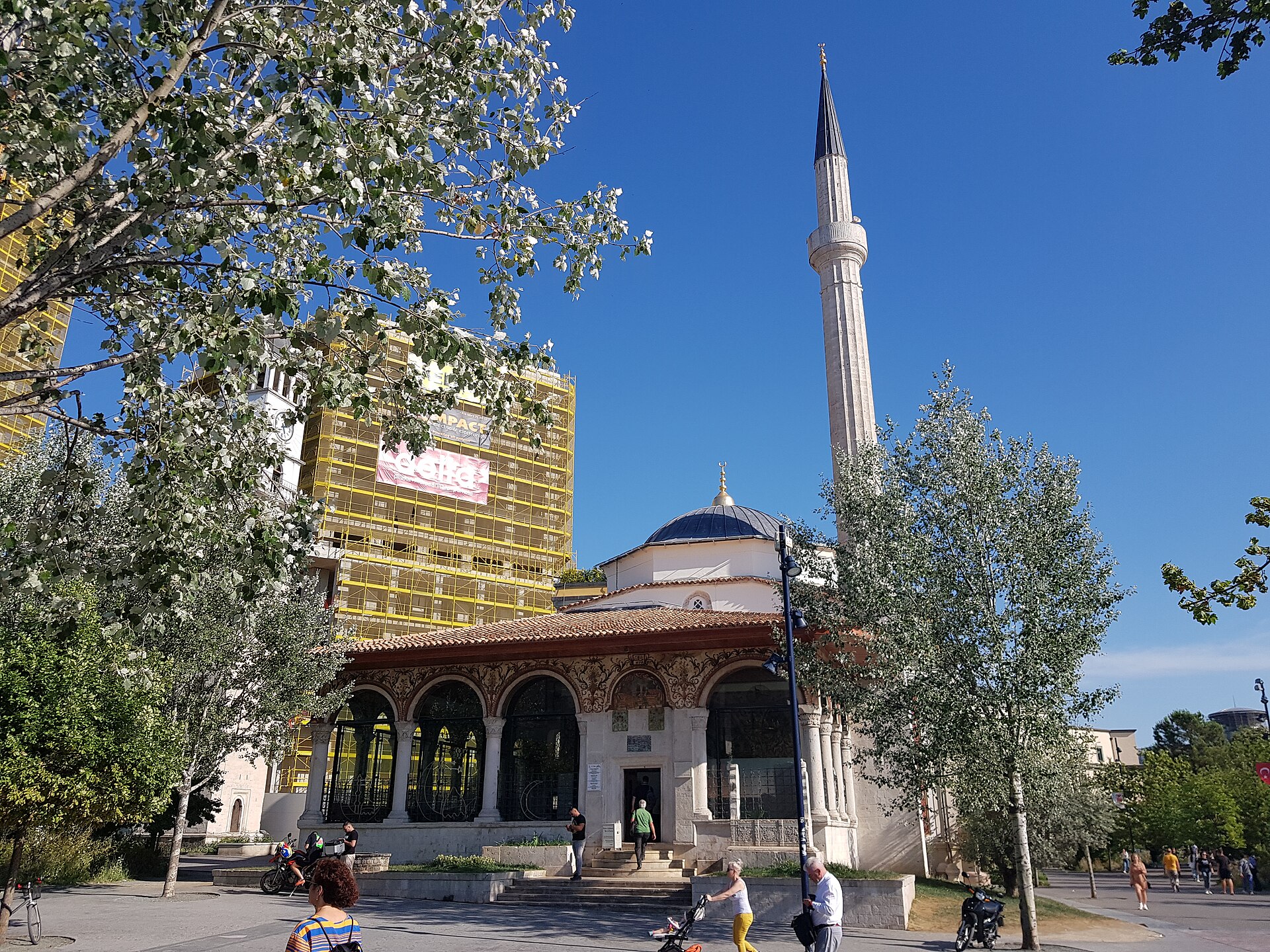
Day 1: Start at Skanderbeg Square (the main central plaza, named after Albania's national hero) and orient yourself. The Et'hem Bey Mosque at the edge of the square is one of the most beautiful Ottoman-era buildings in Albania and free to enter. Walk south into Blloku for lunch -- byrek (filo pastry) from a local bakery costs 1 to 2 EUR and is the essential quick lunch. Afternoon: the National History Museum. Evening: dinner in Blloku -- the restaurant scene is strong and prices are very reasonable (a full dinner with wine runs 15 to 25 EUR per person).
Day 2: BunkArt 1 in the morning (allow 2 to 3 hours). Return to the city for lunch. Afternoon: a walk through the Grand Park south of the centre (a large green space with an artificial lake, pleasant for walking and people-watching), then BunkArt 2 in the early evening. Final dinner in Blloku.
Cost expectations
Tirana is the most affordable capital in the Balkans. Mid-range hotels in or near Blloku cost 50 to 80 EUR per night. Budget options start from about 35 EUR per night. A good dinner with drinks runs 12 to 20 EUR per person. Coffee is 1 to 2 EUR. Daily budget for a comfortable stay: 40 to 70 EUR per person excluding accommodation.
Who Tirana suits best
Tirana works particularly well for travelers who are curious about Albania's extraordinary history, for budget-conscious travelers who want a strong city-break experience at very low cost, and for anyone who wants to visit a destination that most of their friends have not been to yet. It is less suited to travelers who want a polished, Instagram-ready city experience -- Tirana is rougher and more chaotic than Ljubljana or Zagreb, and that quality is part of what makes it interesting.