
Split works well as both a destination and a gateway
Split is the kind of city that rewards having a clear idea of what you want from it before you arrive. Some travelers use it mainly as a transit point for island ferries, Dubrovnik connections, or day trips to nearby spots like Trogir and the Makarska Riviera. Others base themselves here for three days and discover that the city has more than enough substance to justify the stay on its own terms. Both approaches work — but they require slightly different strategies for getting the most out of your time.
Three days in Split is enough to cover the major sights, take one day trip, and still let the old town pace itself out over two good evenings. That combination makes it one of the cleaner planning answers for first-time Croatia visitors who want to understand the Dalmatian coast before adding too many other stops.
Day 1: Diocletian's Palace and the old-town rhythm
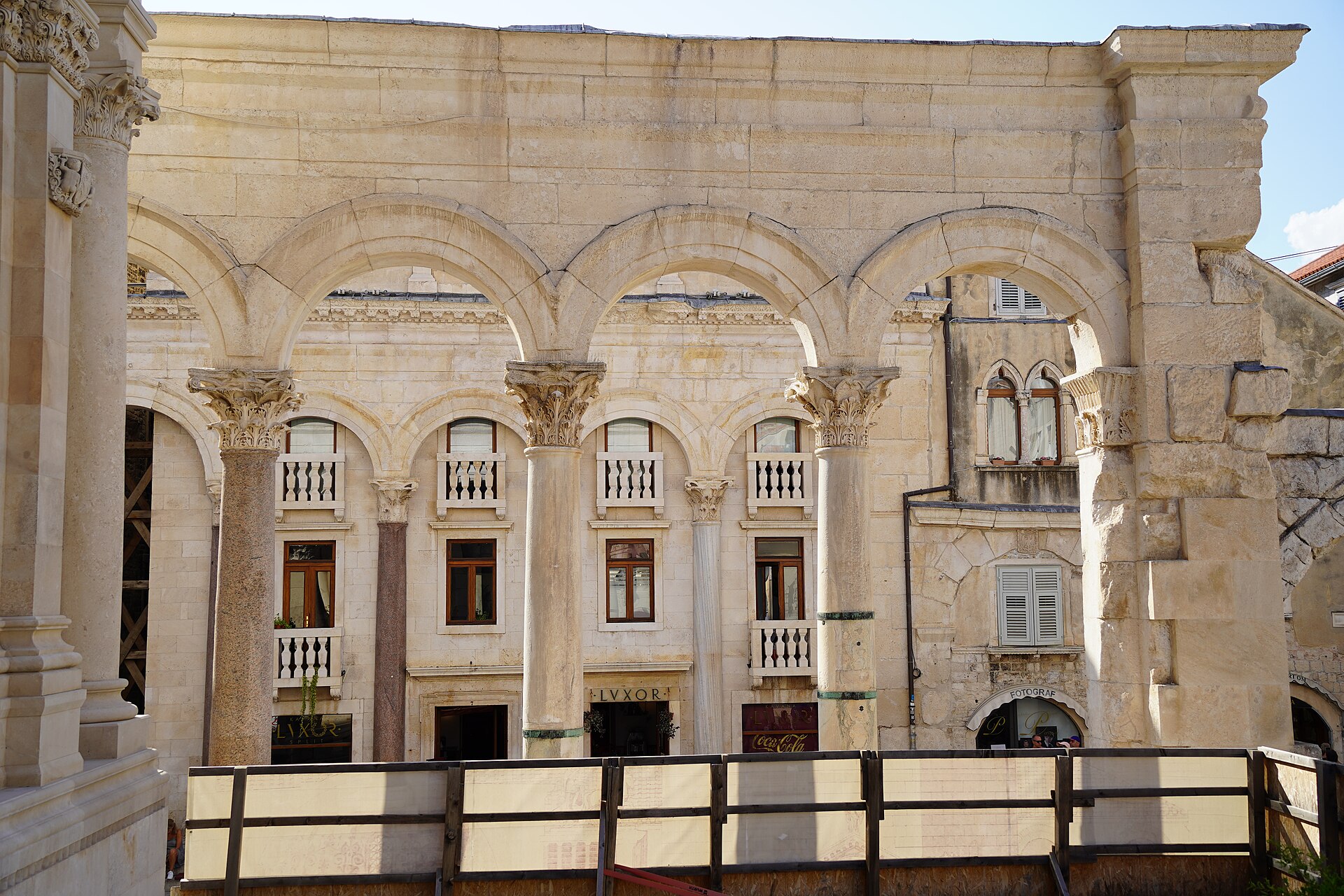
Diocletian's Palace is the reason most people come to Split, and it deserves the better part of your first full day. The palace is not a museum you visit and exit — it is a living neighborhood where people work, eat, and sleep inside the original Roman walls. Walking through it for the first time, understanding the layers of history that have been built on top of each other over seventeen centuries, gives Split an unusual depth that most coastal cities simply do not have.
Spend the morning inside the palace walls: the Peristyle, the Cathedral of Saint Domnius, the Vestibule, and the basement halls where the original Roman emperor's quarters were located. The afternoon is well spent walking around the Riva waterfront promenade, which runs along the south side of the palace and gives you the most classic Split vista — sea, cafes, the palace facade, boats in the harbour. An evening dinner somewhere in or near the palace completes a day that will feel both full and genuinely interesting.
Day 2: A day trip that matches your pace
The second day in Split is where the location's gateway potential becomes useful. The most popular day trip option is Trogir, a small walled town about thirty minutes west by bus or ferry, which is a UNESCO World Heritage Site with a compact old town and a very pleasant waterfront. It takes about half a day to see properly and pairs well with a return to Split for an afternoon swim or evening dinner.
Travelers who prefer nature over architecture might consider the Krka National Park waterfalls, which are roughly ninety minutes away by bus or organized trip. The park is one of the most visited natural sites in Croatia, particularly in summer, so earlier arrival helps. For beach-focused travelers, Bačvice beach is right in Split itself and is free, popular, and very easy to reach — sometimes the best day-two option is simply to stop planning and go swimming.
Day 3: The upper town and a slower pace
The third day in Split works best at a lower intensity. Marjan Hill, the green peninsula that extends west from the old town, is one of the most underused parts of the city — it has walking paths, sea views, small churches, and a very different atmosphere to the busy palace zone. A morning walk up through Marjan gives Split a breathing space that the intense old-town energy doesn't always offer.
The afternoon of the third day can follow whatever rhythm feels right. More time on the Riva, a better lunch somewhere in Varoš neighborhood behind the palace, or simply sitting with a coffee and the knowledge that Split has given you a solid introduction to the Dalmatian coast. If the ferry or bus to Dubrovnik or Hvar is the next step, the third day can also serve as a practical transition without losing any of its character.
Split as a base vs. Split as a standalone destination
Three days in Split gives you enough time to decide which kind of traveler you are. If the day trips felt like the highlight, Split as a logistics hub makes sense. If the palace, the food, and the waterfront evenings were the best parts, staying longer or returning is a reasonable conclusion. Most travelers land somewhere between the two — appreciating both what Split has on its own terms and what it unlocks as a regional gateway.