Planning

Best Balkan Destinations in November

November is the most underrated month for Balkans travel. The coast is quiet, the cities are affordable, and a handful of destinations are actually at their best. Here is where to go and what to expect.

Best Balkan Destinations in November cover image

Why November works in the Balkans

November sits between the shoulder season and winter in the Balkans, and its reputation is worse than it deserves. The Adriatic coast is cold and largely shut — most beach operations and seasonal restaurants close after October, and the sea (16-17°C by November) is too cold for comfortable swimming. But the inland cities — Belgrade, Sarajevo, Tirana, Skopje, and Ohrid — are at their most atmospheric in November. Accommodation prices drop, the tourist crowds are gone, and the cities revert to their local character in a way that July and August visitors never see. For the right kind of traveller, November is genuinely excellent.

Belgrade in November: the best month for the city

Belgrade in November is a different city from Belgrade in July. The heat is gone, the outdoor terraces still function on mild days, and the indoor restaurant and bar scene that the city built over decades comes into its own. The Savamala district is more interesting in November than in summer — the cultural programming, gallery openings, and evening life are aimed at residents rather than tourists. The Skadarlija bohemian quarter, which is also a tourist draw in summer, operates at a more genuine pace. Accommodation is at its lowest annual prices — mid-range hotels cost €35-55 per night versus €60-80 in peak summer. November weather in Belgrade: average temperatures of 5-10°C, with short mild days and cool evenings. Rain is possible but rarely sustained for more than a day.

Sarajevo in November: atmosphere at its highest

Sarajevo is arguably the best Balkan city to visit in November. The Baščaršija old bazaar in grey November light, with steam from the burek bakeries and the call to prayer from the Gazi Husrev-beg Mosque, has a quality that high summer entirely misses. The city's wartime history and its resilience are easier to feel when the tourist infrastructure is not at full operation — the War Childhood Museum, the Tunnel of Hope, and the Srebrenica Gallery 11/07/95 all benefit from visiting in quieter conditions. November temperatures average 2-8°C. The surrounding hills may have early snow by late November, which adds to the atmosphere without making the city difficult to navigate. Accommodation is at its lowest annual prices.

Tirana in November: mild and underrated

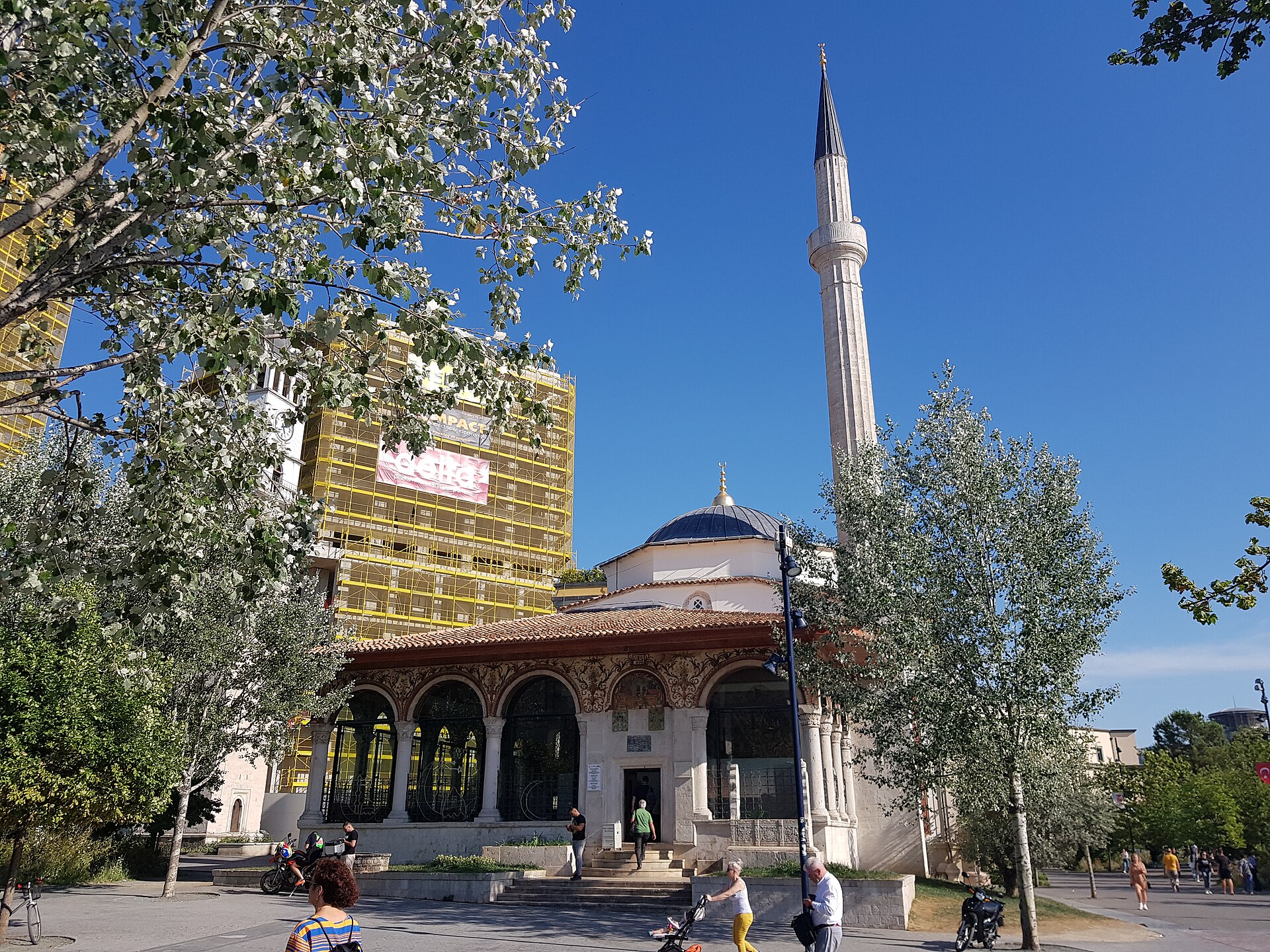
Tirana has the warmest November climate of any Balkan capital. Average temperatures of 10-14°C mean that outdoor cafe culture continues through most of the month, and the Blloku neighbourhood's street life does not shut down the way it does in colder northern cities. The House of Leaves museum, Skanderbeg Square, and the National History Museum all operate normally. The Dajti cable car continues running but the mountain top may be in cloud — check the morning forecast before going up. November is also when Tirana hosts some of its better independent cultural events, and the city's music and gallery scene is at its most active for local audiences rather than summer visitors.

Ohrid in November: dramatic and nearly empty

Ohrid in November is the closest you can get to having a UNESCO site largely to yourself. The lake takes on a steel-grey quality in November light, the surrounding Albanian mountains catch the first snow on their upper slopes, and the old town — almost entirely empty of summer visitors — reveals itself as a place that actually has residents rather than a scenic backdrop for photographs. The Church of St John at Kaneo in November, with the deserted cliff path and the grey lake below, is one of the most memorable images in the Balkans out of season. Most guesthouses remain open; some close for December-February only. Accommodation prices in November are 40-50% below summer rates.

What to skip in November

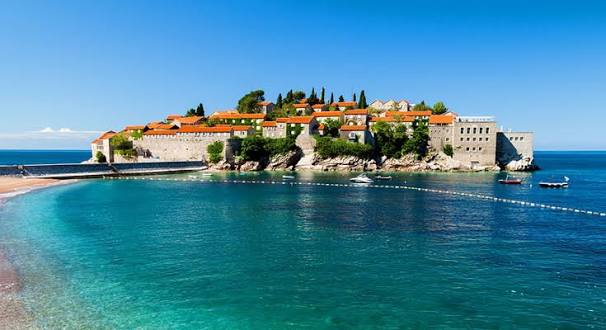
Dubrovnik, Split, Kotor, and the Adriatic coast generally are poor choices for November. Most restaurants, bars, and boat services operate reduced or closed schedules. The walls and the sea are accessible but the atmosphere is absent. The coast works better in October or from April onward. If the coast is a specific goal, Dubrovnik has the best off-season infrastructure of any coastal city, but even there November feels like a waiting period rather than a genuine season.
Why this topic matters before booking

Travelers usually get more value from Balkan trip planning when they answer practical intent questions before they choose the property or the route. Topics like fit, pace, season, and neighborhood choice often shape the whole experience more than the attraction list. A guide like this is most useful when it helps reduce hesitation and make the next decision feel clearer.

Best way to use this advice

Treat this article as a decision filter, not as a final answer detached from the rest of the trip. Combine it with the matching destination hub, compare the most relevant stay areas, and then move toward the booking stage with a short and realistic shortlist. That sequence usually leads to much stronger trip choices than researching everything in isolation.

Continue planning this trip

We publish practical English-language Balkan travel content focused on destination fit, neighborhood choice, and smarter booking decisions for first-time visitors.

FAQ

Frequently asked questions

Belgrade and Sarajevo are the two strongest November picks — both cities are at their most atmospheric, accommodation is at its cheapest, and the tourist crowds are gone. Tirana has the mildest November weather of any Balkan capital. Ohrid is ideal if you want a near-empty UNESCO destination with dramatic lake scenery. Avoid the Adriatic coast (Dubrovnik, Split, Kotor) — most seasonal operations are closed or reduced.

Yes, for city breaks and cultural travel. November is genuinely good for Belgrade, Sarajevo, Tirana, and Ohrid — prices are lowest, crowds are absent, and the cities reveal their local character more clearly than in summer. The Adriatic coast is not worth targeting in November. For travellers who care more about the city experience than beach or weather, November is one of the best months in the Balkans.

Weather varies significantly by location. Tirana has the mildest November — average 10-14°C with some rain. Belgrade and Sarajevo average 2-10°C with cool, sometimes wet days. Sarajevo can have early snow by late November given its elevation (500-600m). Ohrid is similar to Belgrade. The coast (Dubrovnik, Split, Kotor) is cool at 10-15°C and often rainy — manageable but not pleasant for extended outdoor time.

Yes, for travellers comfortable with out-of-season travel. The lake takes on a dramatic grey-blue quality in November light, the Albanian mountains across the water may have snow on the peaks, and the old town is nearly empty of tourists. Most guesthouses remain open through November. Prices drop 40-50% below summer rates. The atmosphere — particularly at the Church of St John at Kaneo on the cliff — is genuinely memorable outside peak season.

Yes. November is one of the most atmospheric months to visit Sarajevo. The Baščaršija old bazaar in November light, with burek steam and the Mosque call to prayer, has a quality that high summer misses entirely. The war history museums (War Childhood Museum, Tunnel of Hope) are most affecting in quieter conditions. Accommodation is at its lowest annual prices. Early snow on the surrounding hills can appear by late November, adding to the atmosphere.

Free download

Take the full guide with you

Our free 21-page PDF covers all Balkan destinations, budgets, transport tips, and ready-made itineraries.

Download free PDF
Related reads

Keep planning

3 Days in Zagreb cover image
Itinerary
8 min read

3 Days in Zagreb

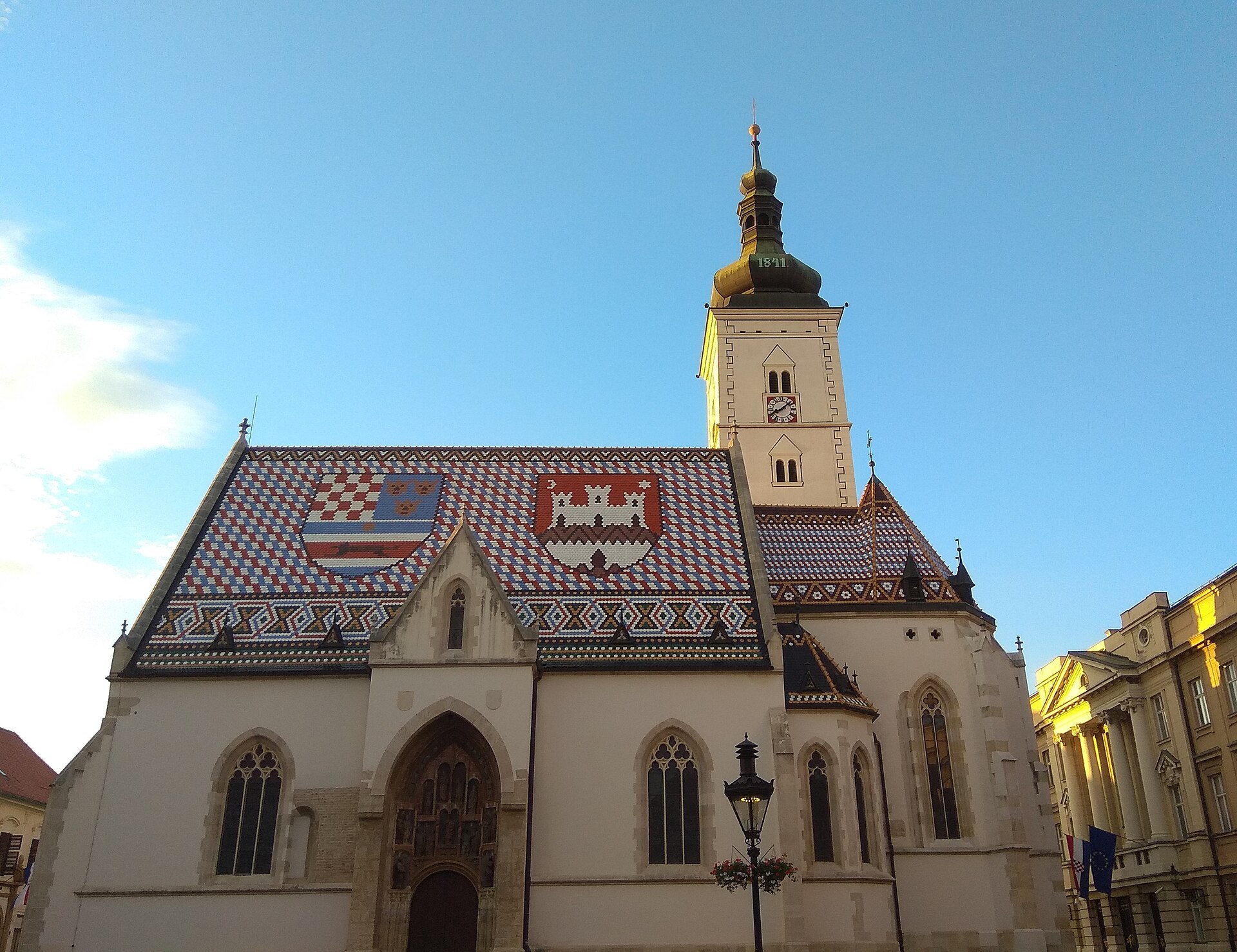
Three days in Zagreb is the right amount of time to cover the upper and lower towns properly, visit the Museum of Broken Relationships, walk through Mirogoj cemetery, and still have room for a day trip to Plitvice or Samobor. Here is how to structure it.

Is Kotor Expensive for a Short Trip? cover image
City break
6 min read

Is Kotor Expensive for a Short Trip?

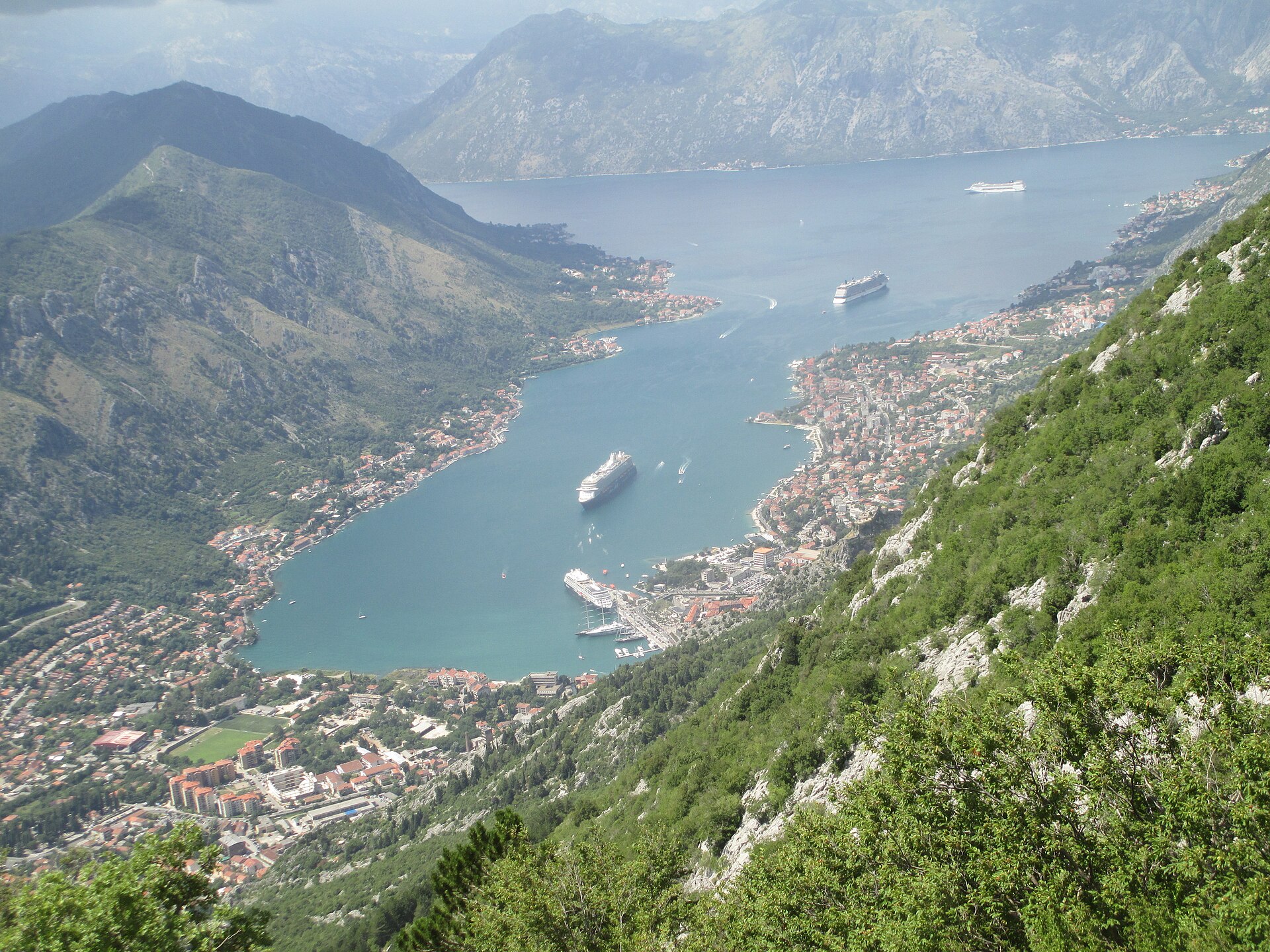
Kotor is significantly cheaper than Dubrovnik but has gotten more expensive over the past few years as it has become more widely known. Here is what things actually cost — accommodation, food, the walls, transport — so you can plan an honest budget.

3 Days in Tirana cover image
Itinerary
8 min read

3 Days in Tirana

Three days in Tirana gives you time to cover the city center properly, take the Dajti Mountain cable car, visit the House of Leaves, and add a day trip to either Berat or Kruja without feeling rushed. Here is how to structure it.