August in the Balkans: what to expect
August is the most intense month in the Balkans. The Adriatic coast runs at full capacity, inland cities bake in heat, and the ferry queues and old-town crowds reach their annual peak. That said, August is also when the region is at its most alive — beaches are warm, nightlife is at its best, and the combination of long days and social energy is hard to replicate in any other season. The key is choosing the right destination for what you want and being honest about trade-offs.
Coastal picks for August
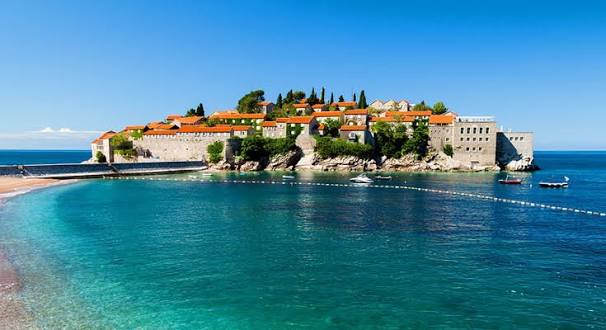
The Adriatic coast is the obvious answer for August travel, and the water temperature — consistently 25-27°C in peak summer — justifies the crowds for most visitors. Budva in Montenegro is the most accessible and best-developed beach destination on the coast. The old town gives it enough character to not feel like a pure resort, and the beaches from Mogren to Jaz offer variety in mood and crowd levels. The water is warm, the infrastructure is strong, and the logistics are simple. It is not the most atmospheric place in the region, but for a beach-focused August week it does its job very well.
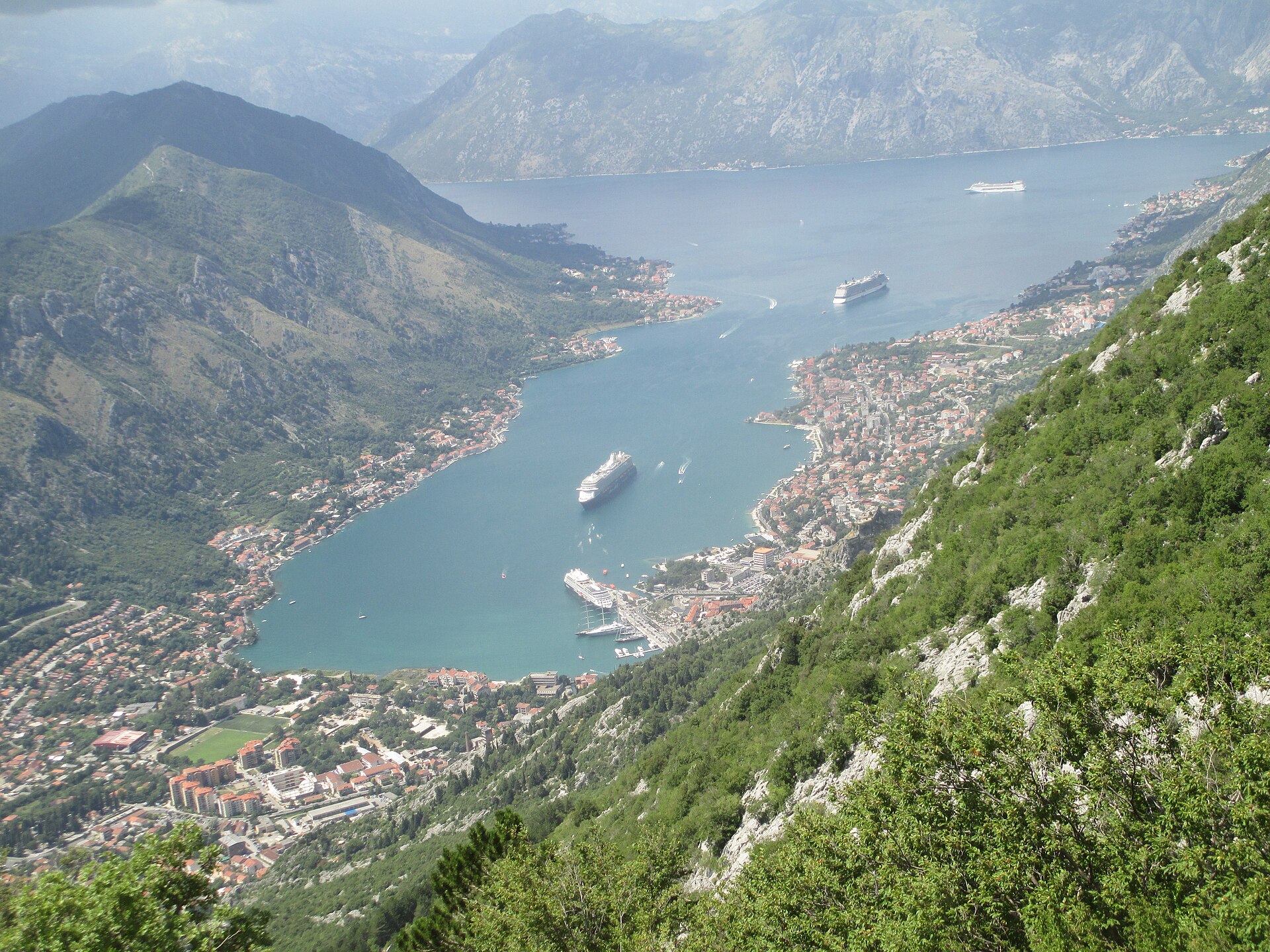
Kotor, 30km from Budva, is the better choice if you want coastal scenery with more character. The walled old town, the bay views, and the fortress above the city are at their most colourful in August, even if crowds inside the walls are at their most compressed. Arriving early and leaving the centre mid-afternoon is the standard local strategy. Split in Croatia offers a similar combination of coast and city, with the added advantage of ferry connections to Hvar and Brač for those who want island time as part of the trip.
The case for Dubrovnik in August — and against it
Dubrovnik in August is both the most spectacular and the most challenging Adriatic destination. The walls, the old town, and the setting are at peak visual impact, but so are the cruise ship arrivals and the queue volumes. If you go, timing the city walls walk before 9am is essential; the rest of the day is manageable from a base outside the old town with selective afternoon visits. Dubrovnik in August is not a relaxed trip, but for travelers who have it as a specific goal, arriving prepared makes the experience work.
Inland cities in August: Belgrade and Sarajevo
Belgrade in August is genuinely good for travelers who want nightlife, food, and energy without coastal prices. The city is hot — temperatures regularly reach 35°C — but the floating club culture on the Sava riverbank, the outdoor terrace scene, and Ada Ciganlija lake beach make August in Belgrade surprisingly functional. The city empties of locals in August, which means prices stay reasonable and the rhythm feels more relaxed than spring and autumn, which are technically the 'better' months.
Sarajevo in August is worth considering for travelers who want atmosphere without coast crowds. The old town is busy but not at the levels of Dubrovnik or Kotor, the food scene is reliable year-round, and the Yellow Fortress viewpoint at sunset is genuinely excellent on clear August evenings. The heat is real but more manageable than the coast because of the city's elevation.
The underrated August option: Ohrid
Lake Ohrid in August is one of the best summer alternatives to the Adriatic for travelers who want warm water, scenic old-town atmosphere, and significantly lower prices. The lake temperature in August reaches 22-24°C — warm enough for swimming from the old-town rocks or the Gradiste beach area. The crowds are present but at a fraction of what Dubrovnik or Budva sees. A week in Ohrid in August costs measurably less than the same week on the Croatian or Montenegrin coast, with scenery and swimming quality that compares favourably to both.
What to avoid in August
August is the wrong time to visit Dubrovnik for a relaxed experience unless you have done it before and know how to manage the crowds. Bled in Slovenia is also extremely busy in August, with parking pressure and trail congestion that takes away from the scenic quality that makes it worth visiting. Both destinations are better in May, June, September, or October. If August is your only window, they are still worth doing — but adjust expectations and plan the timing of each activity carefully.