The Balkans is genuinely good for solo travel
Solo travel in the Balkans is easier and more rewarding than most first-time visitors expect. The region is generally safe, affordable, and full of cities that work very well for independent travelers who are navigating on their own budget and schedule. Locals in most Balkan cities are accustomed to solo foreign visitors, the hostel and guesthouse culture is well developed, and the city-break format that defines most trips in the region is naturally suited to one person moving at their own pace.
The practical advantages are significant: accommodation costs drop when you are not splitting with a partner, the bus and train network is manageable on a single traveler's schedule, and the social scene in cities like Belgrade and Tirana makes it easy to connect with other travelers if you want to. The following destinations are those that consistently perform best for solo visitors specifically — not just in terms of safety, but in terms of the overall quality of the solo experience.
Belgrade: the strongest solo city break in the Balkans
Belgrade is built for the kind of spontaneous, self-directed energy that solo travel generates at its best. The city has an excellent hostel and social scene, some of the best nightlife in Europe, a dense concentration of cafes and restaurant streets that welcome single diners without any awkwardness, and a generally outgoing local culture that makes social interaction easy. For solo travelers who want an energetic and affordable city with a strong food and nightlife foundation, Belgrade is the best first pick in the region.
The cafe culture in particular suits solo travel well. Sitting with a coffee in Skadarlija or watching the afternoon slow down from a Savamala terrace is a genuinely enjoyable solo activity, not just a way to fill time between social events.
Sarajevo: the most atmospherically rich solo destination
Sarajevo rewards solo travel in a different way from Belgrade. The city is compact and walkable, the food is excellent and approachable for single diners, and the historical and cultural depth gives a solo traveler something genuinely interesting to engage with beyond nightlife. The combination of Ottoman-era architecture, Austro-Hungarian layers, strong coffee culture, and visible recent history creates a layered city that repays slow, curious exploration — exactly the kind of travel solo trips do best.
Safety in Sarajevo is very good, and the mix of guesthouses and boutique hotels in the old town area provides strong solo accommodation options at various price points.
Tirana: the most underrated solo destination in 2026
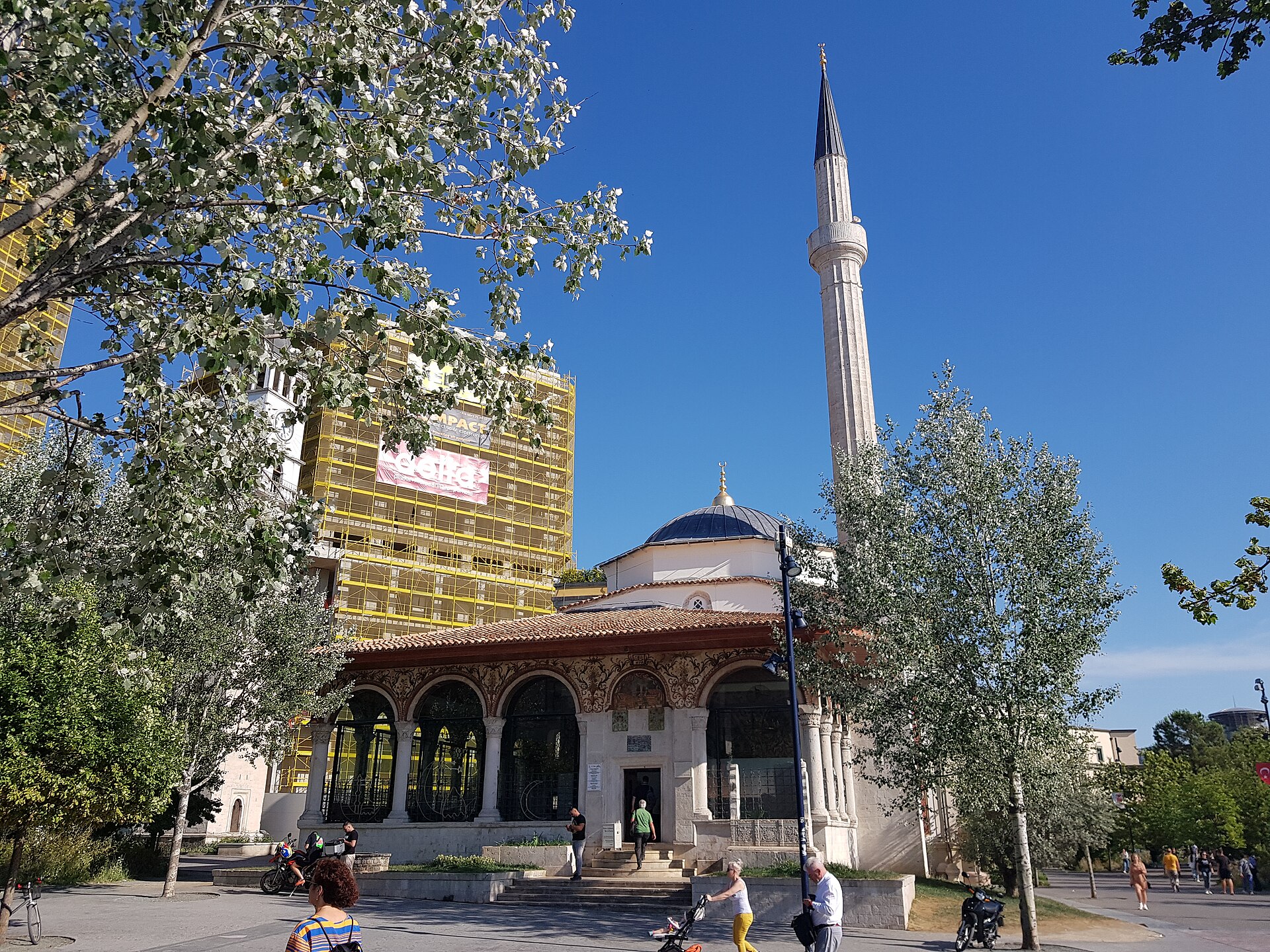
Tirana is increasingly one of the best solo travel picks in the Balkans for a specific reason: the city is changing fast enough that visiting it now feels like arriving at the right moment. The food scene, the evening culture, and the general energy of the capital are all at a high point, and the cost base remains very reasonable by any European standard. A solo traveler in Tirana in 2026 will find a city that feels alive and curious and genuinely worth exploring — not just ticking off.
The Blloku neighborhood is especially well suited to solo travel. It is walkable, active at most hours, and dense enough with good options that deciding where to eat or drink in the evening never requires a plan in advance.
Kotor: the best coastal solo pick
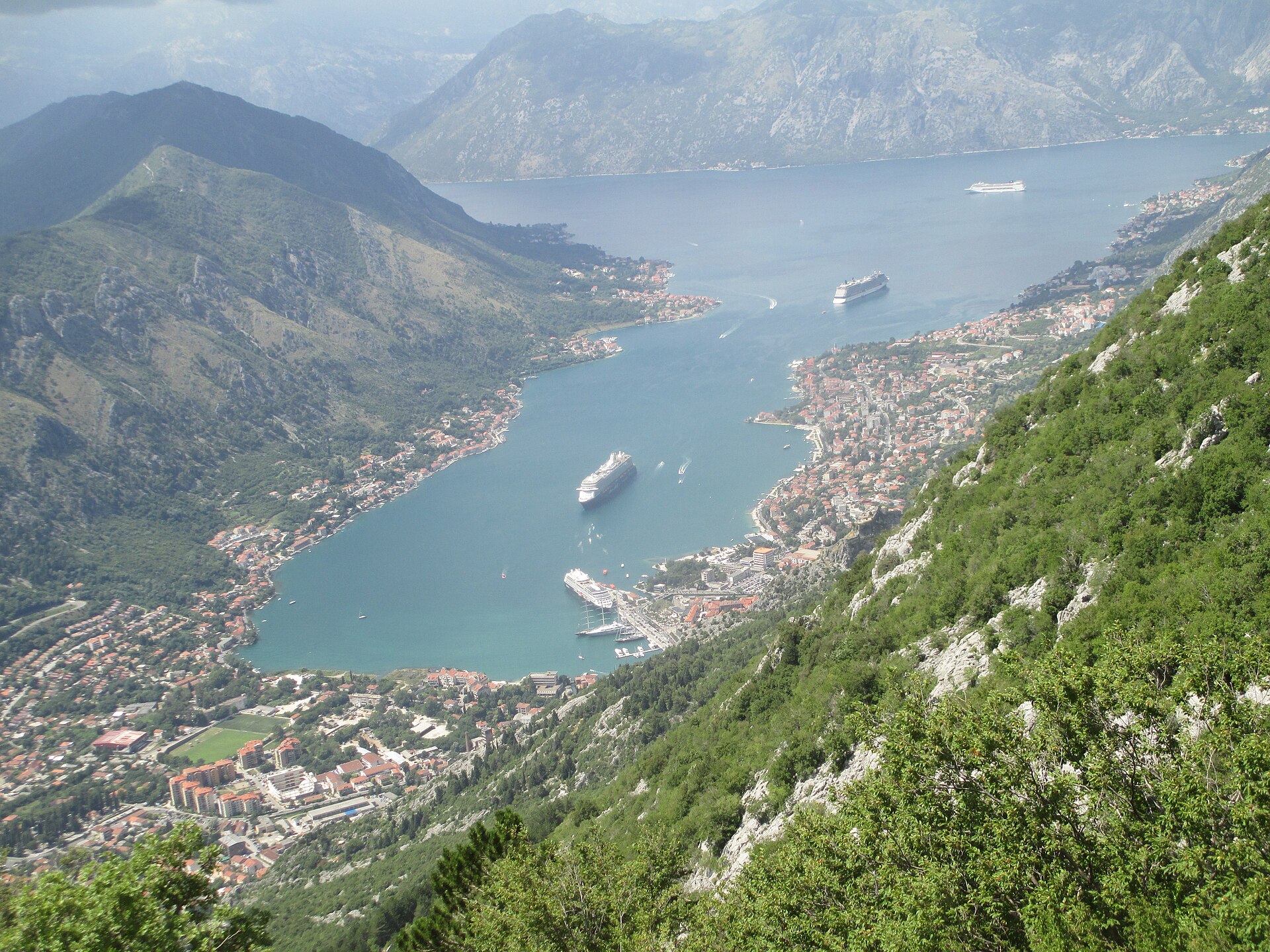
Kotor works well for solo travelers who want scenic beauty and a walkable base without the relentless social pressure of a beach resort. The old town is small enough to feel manageable on your own, the bay views are spectacular, and the mix of travelers passing through creates natural social opportunities for those who want them. It is also compact enough that a solo traveler can see everything at their own pace without needing a car or complex logistics.
Practical solo travel notes for the Balkans
Currencies vary across the region: Serbia uses the Dinar, Bosnia uses the Mark, Croatia uses the Euro, Montenegro uses the Euro, Albania uses the Lek. ATMs are widely available in city centers. Single supplement fees on accommodation are less common in the Balkans than in Western Europe, particularly in the guesthouse and hostel category. The bus network is the most practical solo travel transport and most intercity routes can be booked on the day without advance planning outside peak summer weekends.