Two weeks is the best length for a first Balkans trip
Ten days is possible but compressed. Three weeks starts to require either a lot of slow days or a wider route than most first-time visitors need. Two weeks sits in the right window: enough time to visit five or six strong destinations properly, build in one or two rest days, and still leave with the sense that the Balkans has more to offer — which is the most useful feeling to have at the end of a first trip.
The biggest mistake with a two-week Balkans itinerary is overcrowding it. The region has more genuinely interesting places than any two-week trip can accommodate, which creates the temptation to add one more stop. Resist that. A well-paced six-city trip through the most rewarding destinations will give you a better read on the region than a nine-city route where every place feels rushed and every morning is a new bus.
Day 1–3: Belgrade as the starting anchor
Beginning in Belgrade is the strongest opening for most first-time visitors because the city is one of the most logistically accessible capitals in the region, has a very high density of good food and nightlife options, and gives you an energetic first impression that motivates the rest of the trip. Three nights here covers Kalemegdan fortress, the Skadarlija bohemian quarter, new Belgrade river bars, and enough time for the city's cafe and restaurant culture to start making sense as an atmosphere rather than just a checklist.
The day-trip option to Novi Sad — ninety minutes by train — fits well on the second or third day if energy allows and the pace feels right for it.
Day 4–6: Sarajevo for atmosphere and food
From Belgrade, an overnight bus or a morning connection takes you to Sarajevo, which is one of the most atmospherically distinct stops in the entire Balkans. Three nights here is the right amount — enough for the old town Baščaršija, a viewpoint day, the distinctive cafe culture, and the city's layered historical character to feel genuinely understood rather than just photographed.
Sarajevo is the stop that most travelers rate highest in retrospect, often higher than more famous names like Dubrovnik. The food quality, the pace, and the depth of what the city holds make it one of the most reliable investments of time in any Balkans itinerary.
Day 7–8: Mostar as a scenic break
Two nights in Mostar sits perfectly between Sarajevo and the Croatian coast. The old bridge, the riverside atmosphere, and the slower pace of the city work best when you stay overnight rather than day-tripping — the evening light on the bridge and the calmer morning streets give Mostar a completely different quality to the midday tour-bus atmosphere. Two nights is enough to see everything without overstaying.
Day 9–11: Split for the coast and day trips
Moving into Croatia, Split gives you the Dalmatian coast entry point and three nights to use the city either as a destination in itself — Diocletian's Palace, Marjan Hill, the waterfront — or as a base for nearby day trips to Trogir or the Krka waterfalls. The pace shift from Bosnia to Croatia is noticeable, and by day nine most travelers are ready for a coastal rhythm and a swim.
Day 12–14: Dubrovnik or Kotor as the closing stop
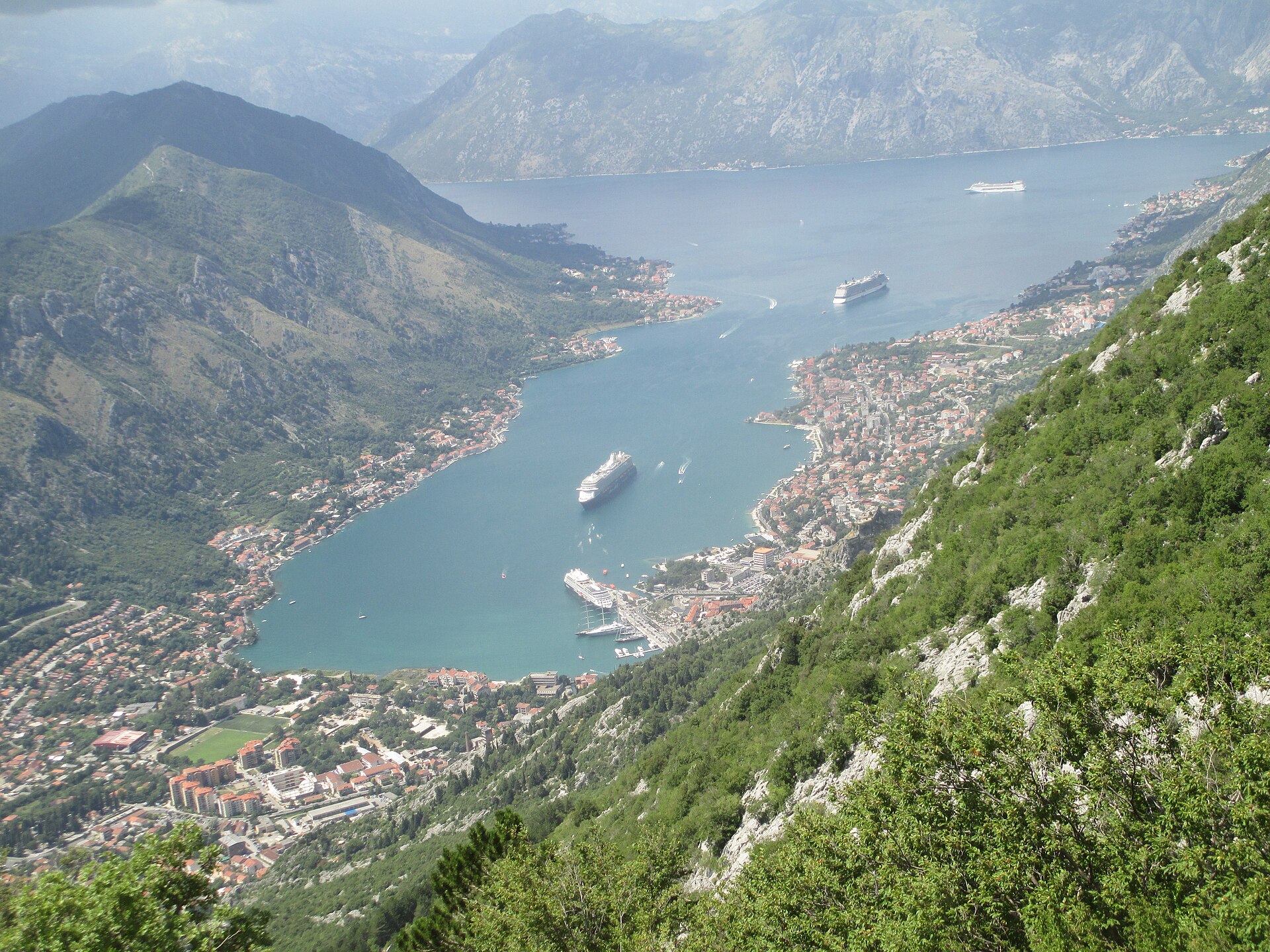
The last three nights belong to either Dubrovnik or Kotor depending on priority. Dubrovnik is the more famous and the more premium option — city walls, iconic views, polished dining. Kotor offers a more intimate bay-and-fortress experience with a slightly lower price point and fewer crowds. Both work as a closing stop and both leave you with a strong final image of the trip.
If the budget and timing allow, some travelers choose two nights in Kotor and then a final night in Dubrovnik before flying home — particularly if the exit airport is on the Croatian side. That combination adds a short bus journey between Montenegro and Croatia but gives you the two best coastal cities in the region as a paired closing chapter.
The route in summary
Belgrade (3 nights) — Sarajevo (3 nights) — Mostar (2 nights) — Split (3 nights) — Dubrovnik or Kotor (3 nights). This route covers five distinct cities across four countries, balances city-break energy with coastal scenery, and paces itself in a way that lets each destination feel properly experienced. It is the itinerary structure that consistently produces the best overall trip quality for first-time Balkans visitors with two weeks available.