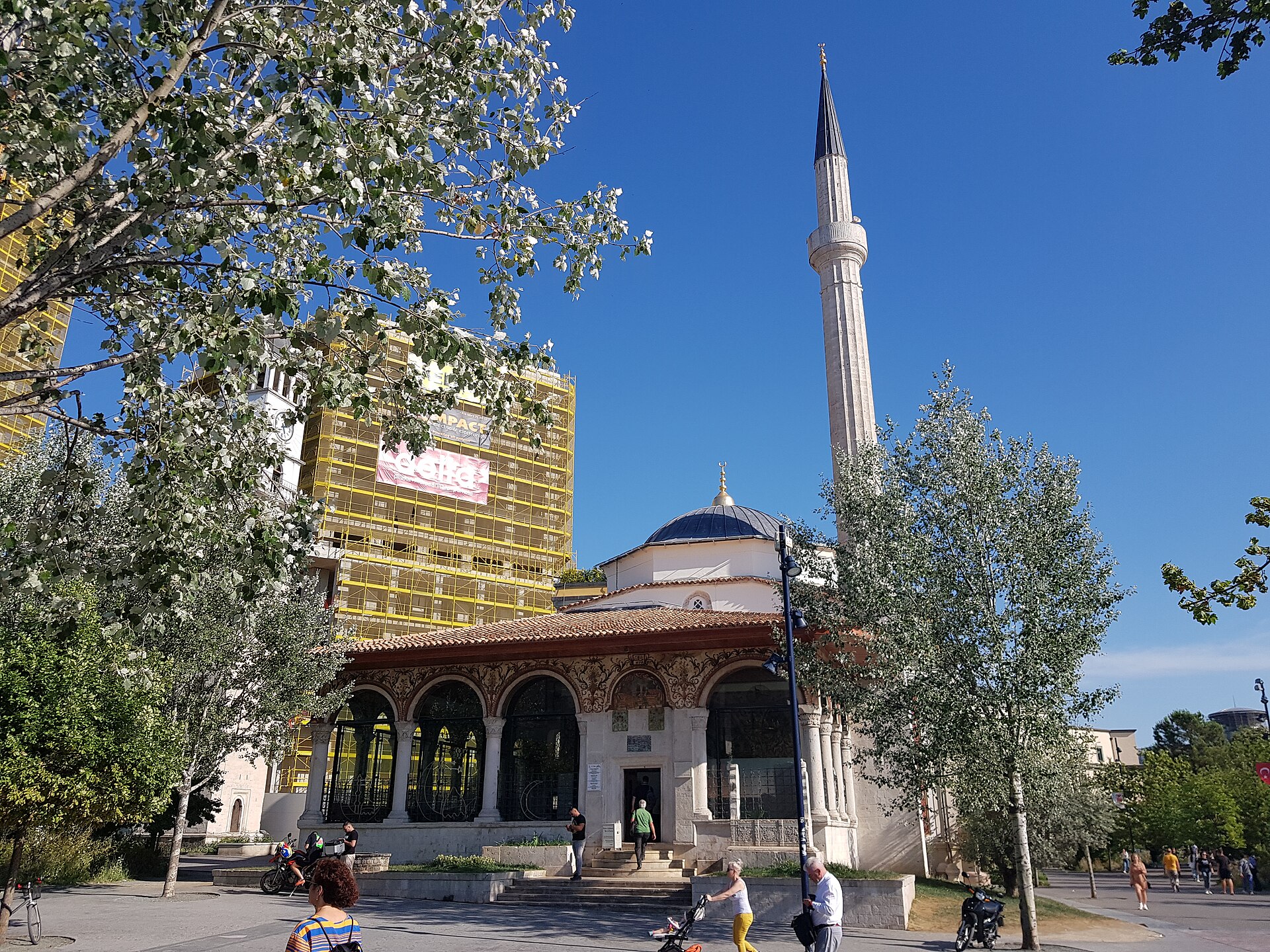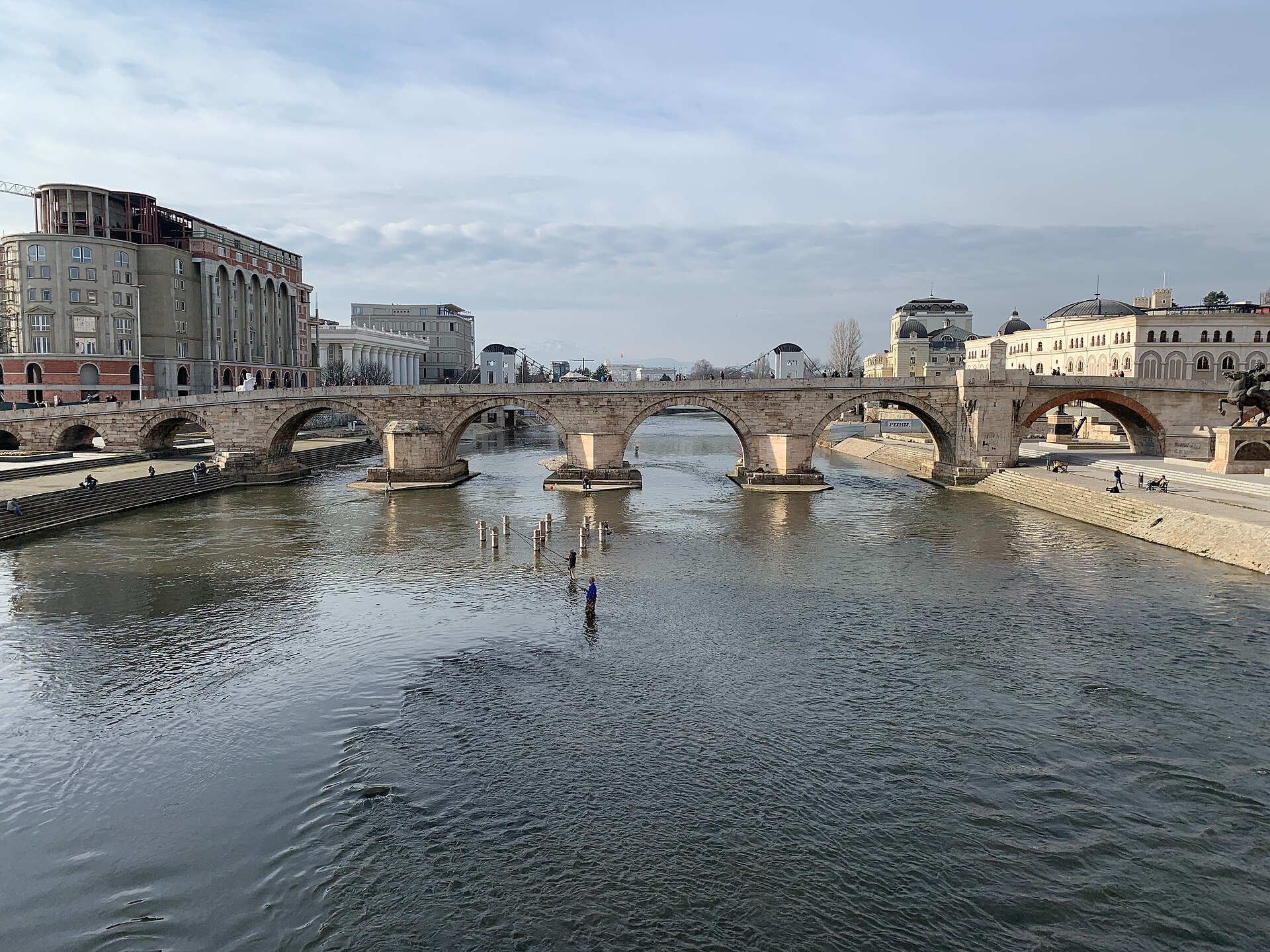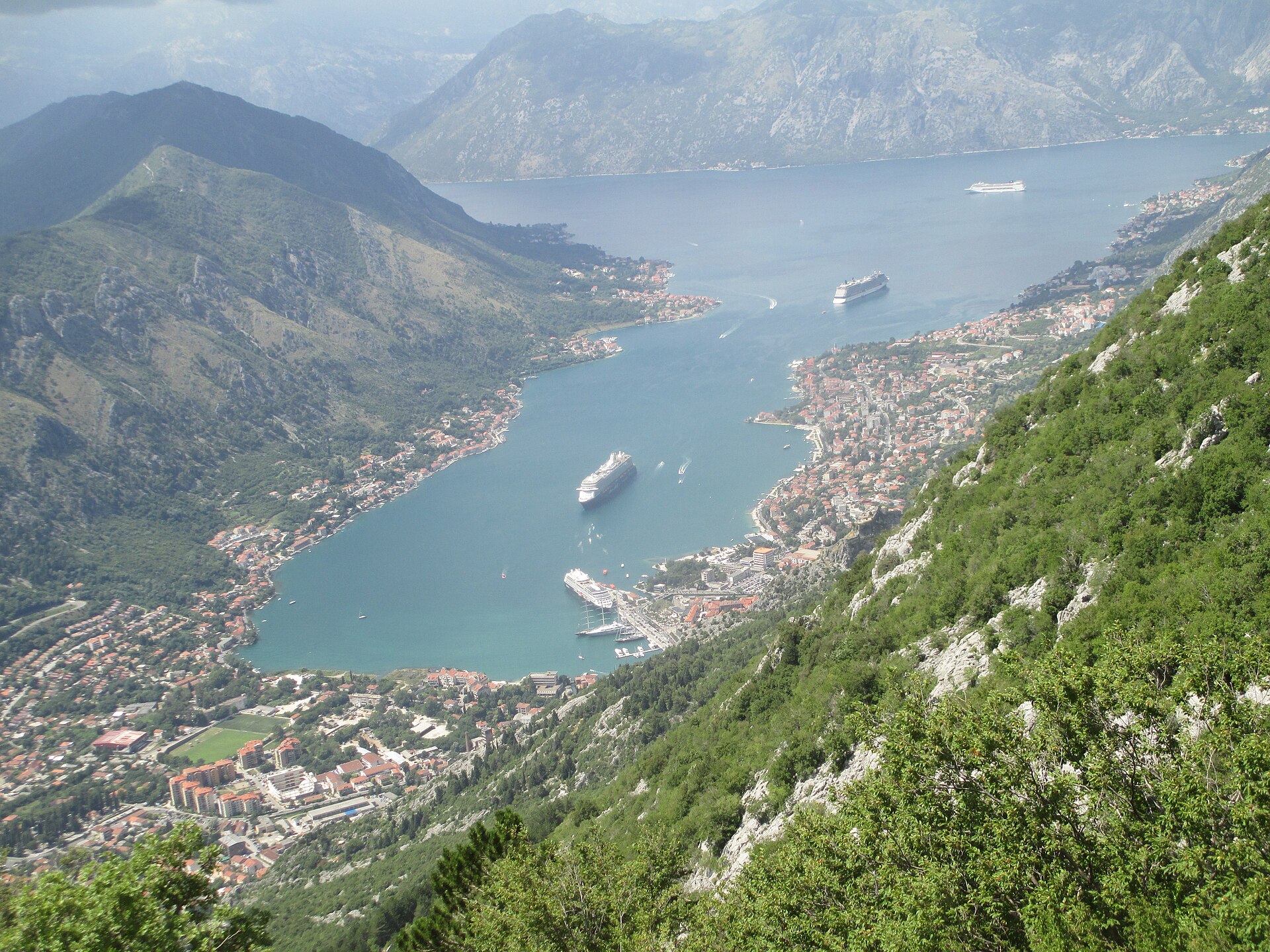
Something has shifted in how travelers talk about the Balkans. A few years ago, the region was framed almost exclusively as a cheap alternative — somewhere you went when you could not afford Italy or France. That framing is becoming less accurate by the year. More travelers are returning from the Balkans saying they preferred it to Western Europe. Not because it was cheaper, though it usually is, but because the experience itself was better. This guide tries to explain why that keeps happening.
The crowd problem in Western Europe is getting worse
Venice, Dubrovnik excluded for a moment, and consider what a summer week in Rome, Barcelona, or the Amalfi Coast actually looks like in 2026. The streets around the Trevi Fountain have timed entry. The Sagrada Familia requires booking weeks in advance. The Path of the Gods above Positano has queues at the viewpoints. The infrastructure of popular Western European tourism has become about managing crowds rather than enabling enjoyment.
The Balkans has not reached that point for most destinations. Sarajevo's Bascarsija in May feels like a real city centre, not a managed attraction. The fortress climb in Kotor on a Tuesday morning in June has two other people at the top. The old town lanes in Prizren at 7pm have more locals than tourists. That ratio — the feeling of being a visitor in a place rather than one of thousands of visitors at a site — is increasingly hard to find in the Mediterranean's most popular destinations and increasingly easy to find in the Balkans.
The food argument is stronger than most people expect
Italian food is extraordinary. French food is extraordinary. The argument here is not that Balkan food is better — it is that it is more surprising, more affordable, and more central to the daily experience of being in a place.
Cevapi in Sarajevo at Zeljo costs 5 EUR for a full portion. It is not a tourist concession to budget — it is what Sarajevans eat for lunch. A kafana dinner in Belgrade with grilled meat, a salad, bread, and a carafe of local wine runs 15 to 20 EUR per person. A burek from a Bosnian buregdzinica at 7am costs 2 EUR and is one of the best things you will eat all trip. The food in the Balkans is deeply local in a way that is increasingly rare in heavily touristed Western European destinations where restaurant menus trend toward what tourists expect rather than what locals actually eat.
The Adriatic coast of Croatia and Montenegro holds its own against comparable Italian coast destinations. The seafood in Split and Dubrovnik, the lamb in Dalmatia, the olive oil and wine from the Peljesac peninsula — these are not consolation prizes. They are genuinely excellent by any standard.
The value gap is larger than people realize
The standard framing is that the Balkans is cheap. The more accurate framing is that the value ratio is extraordinary. You are not getting less for less money — in most cases you are getting more for less money.
A mid-range hotel in Sarajevo near the old town runs 60 to 90 EUR per night. The equivalent quality, location, and atmosphere in Rome or Florence would cost 180 to 250 EUR per night. A good dinner in Belgrade costs what a mediocre lunch costs in Paris. A week in Kotor and Dubrovnik combined, staying in well-located mid-range properties and eating well, costs roughly what four nights in a comparable Amalfi Coast property costs for accommodation alone.
This is not about cutting corners. It is about the fact that the Balkans has not yet fully priced in the experience it offers. That will change — it is already changing in Dubrovnik and in parts of coastal Croatia — but for most of the region, the gap between what you pay and what you receive remains significantly wider than in Western Europe.
The history is less familiar and more affecting
Western European history is well-documented, well-interpreted, and well-presented. The Roman Forum, the Louvre, the Alhambra — these are extraordinary. They are also known quantities. Most travelers arrive with a framework already in place, built from school, films, and previous trips. The experience confirms and enriches what was already there.
The Balkans works differently. The history is less familiar and in many cases more recent in ways that feel immediately personal. The War Tunnel Museum in Sarajevo, used to supply a city under siege until 1995, is within living memory for most adult travelers. The Skopje 2014 project, a government-commissioned network of neoclassical statues and triumphal arches built to assert national identity, is one of the most unusual and thought-provoking urban environments in Europe and barely discussed outside the region. The layers of Ottoman, Byzantine, Austro-Hungarian, communist, and post-communist history visible within a single city block in Mostar or Sarajevo are genuinely unlike anything in Western Europe.
Travelers who engage with that history — rather than treating it as backdrop to a beach holiday — consistently report it as the most affecting part of a Balkans trip. The emotional weight of recent conflict combined with the resilience and openness of the people who lived through it produces something that a well-worn Western European cultural circuit rarely delivers.
The cities have not been smoothed out
There is a version of European city-break travel that has become very similar regardless of destination. The Airbnb in the gentrified neighbourhood, the third-wave coffee shop, the natural wine bar, the brunch spot with the same aesthetic from Lisbon to Copenhagen. This is fine. It is comfortable and usually reliable. It is also increasingly the same experience wherever you go.
The Balkans has this layer in some places — Savamala in Belgrade, parts of Zagreb, the hipper streets of Ljubljana — but it sits alongside something that has not been smoothed out yet. The kafanas in Belgrade where three generations of the same family eat lunch on Sundays. The Bosnian coffee ritual in Sarajevo that has not been adapted for tourism. The evening xhiro in Prizren where the entire town walks the same few streets for no reason other than that it is what you do in the evening. These social rhythms are visible and accessible in a way that equivalent local life in heavily touristed Western European cities is not.
The routes are more flexible
A Balkans itinerary can be assembled in ways that Western European trips usually cannot. The combination of coastal Croatia, Montenegro's bay, Bosnia's old towns, and Serbia's cities in a single two-week trip produces a variety of landscape, atmosphere, food, and culture that is very difficult to match in Western Europe without crossing more borders and covering more distance.
The contrast between Dubrovnik and Sarajevo — four hours apart by bus — is sharper than the contrast between most Western European city pairs at equivalent distances. The shift from the Adriatic coast to the Bosnian interior to the Serbian capital within a single trip gives each destination more definition. Things stand out more when the adjacent experience is genuinely different.
The transport infrastructure, while less polished than Western Europe, is functional for the routes that matter. Buses between major cities are inexpensive and frequent. Ferries connect the Croatian islands efficiently. The main travel corridors work well enough that the planning effort required is not significantly higher than organizing a Western European trip, particularly for first-time visitors who stay on the well-worn circuit.
The timing window is still open
The most honest version of the "why travelers prefer the Balkans" argument includes a time dimension. The experience that draws people back — the manageable crowds, the value ratio, the feeling of arriving before the place has fully packaged itself for tourism — is not permanent. Parts of coastal Croatia have already moved through that window. Dubrovnik in July is now a managed crowd-control operation. Kotor in peak summer is heading in the same direction.
The interior of Bosnia, Kosovo, North Macedonia, and Albania remain largely in the window. Sarajevo is not yet Dubrovnik. Ohrid is not yet Santorini. Prizren is not yet anywhere in particular on the mass tourism circuit. The travelers who are choosing these destinations now are making a calculation, consciously or not, that the experience available today is different from what will be available in five or ten years — and they are probably right.
Who actually prefers the Balkans and why
It is worth being specific about which travelers consistently report preferring the Balkans to Western Europe, because it is not everyone and the reasons matter.
Travelers who prioritize atmosphere over convenience tend to find the Balkans more rewarding. The friction that exists — less predictable transport, fewer English menus in smaller towns, some uncertainty about what exactly is open and when — is part of what produces the feeling of genuine discovery that Western European travel has largely optimized away.
Food-focused travelers consistently rank Balkans trips highly because the food is local, affordable, and deeply tied to place in a way that tourist-circuit restaurant culture in Western Europe is often not.
Travelers who have done Western Europe multiple times and are looking for something that still surprises them find the Balkans delivers that reliably. The history is less pre-digested, the cities are less predictable, and the ratio of effort to reward tends to be higher.
Travelers who specifically want to feel like they are in a real place — where the infrastructure exists for them but the place does not exist only for them — find that ratio much easier to achieve in the Balkans than in the Amalfi Coast or Provence in August.
The honest caveat
The Balkans is not better than Western Europe in every respect and for every traveler. If the priority is world-class museums, the Louvre and the Uffizi are not matched anywhere in the region. If the priority is Michelin-starred dining, Western Europe has no equivalent here. If the priority is infrastructure reliability — trains that run on time, clear signage, easy car rental — Slovenia aside, the Balkans requires more tolerance for improvisation than France or Germany.
The preference that many travelers report is not a global judgment. It is a specific response to a specific set of priorities: atmosphere, food value, crowd levels, cultural novelty, and the particular pleasure of being somewhere that still feels like itself. For those priorities, the Balkans consistently delivers better than its reputation suggested and better than many Western European alternatives at equivalent effort and cost.
That is why the conversation about the region has shifted from "cheap alternative" to "deliberate preference." The two framings describe different trips to different travelers with different expectations. The second one is increasingly the more accurate description of what is actually happening.