A lot of first-time visitors assume the Balkans only works as a road trip. That assumption is wrong for most itineraries. If the route is built around cities rather than remote viewpoints, a no-car trip can actually feel cleaner, cheaper, and less stressful than a self-drive plan where you spend half the day thinking about parking and border crossings.
The key is choosing the right city pairs and being honest about which parts of the region actually need a car and which do not.
Which cities work well without a car
Some Balkan cities are genuinely easy to use without a car. Others are not worth attempting on public transport. Here is an honest breakdown:
Works well without a car: Belgrade, Sarajevo, Zagreb, Ljubljana, Skopje, Tirana, Novi Sad, Kotor, Split, Dubrovnik, Ohrid, Mostar.
Much harder without a car: Plitvice Lakes, Durmitor National Park, rural Albania, most of the Montenegrin coast outside Kotor, and any route that requires tight day-trip connections between small towns.
If your itinerary is mostly city-based with one or two scenic stops, you do not need a car. If you want national parks, mountain drives, and five countries in ten days, a car will make the trip significantly easier.
Best city pairs for a car-free Balkans route
The strongest no-car routes are built around compatible city pairs rather than trying to cover maximum ground. These combinations work well because the transfers are manageable and both cities are easy on arrival:
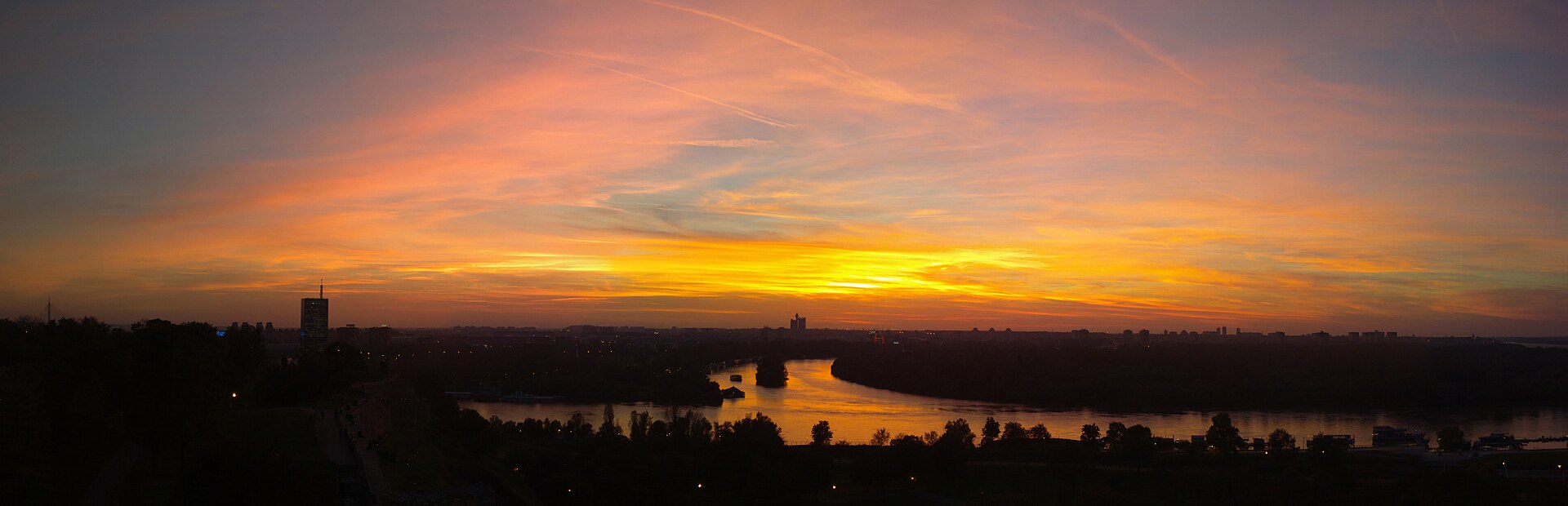
Belgrade + Novi Sad — The cleanest Serbia pairing. The bus or train takes about 45 minutes to 1 hour and runs frequently throughout the day. Cost is around 4 to 6 EUR each way. Novi Sad is compact and walkable, and the two cities give you a strong combined Serbia read without complicated logistics.
Sarajevo + Mostar — One of the best Bosnia combinations for atmosphere. The bus takes around 2.5 hours and costs roughly 8 to 12 EUR. Mostar works as a day trip from Sarajevo or as an overnight stop, depending on how much time you want to give it.
Zagreb + Ljubljana — The most polished combination in the region. The train takes around 2 hours and tickets typically cost between 15 and 30 EUR depending on how far in advance you book. Both cities are compact, easy to walk, and pair well for a short city-break double.
Belgrade + Sarajevo — A longer transfer but one of the most rewarding route changes in the Balkans. The direct bus takes around 6 hours and costs roughly 18 to 25 EUR. The contrast between the two cities is strong enough to make the journey feel worthwhile.
Sarajevo + Dubrovnik — A scenic and popular combination. The bus takes around 4 hours and costs roughly 15 to 22 EUR. The route goes through some genuinely dramatic landscape, so the journey itself is part of the trip.
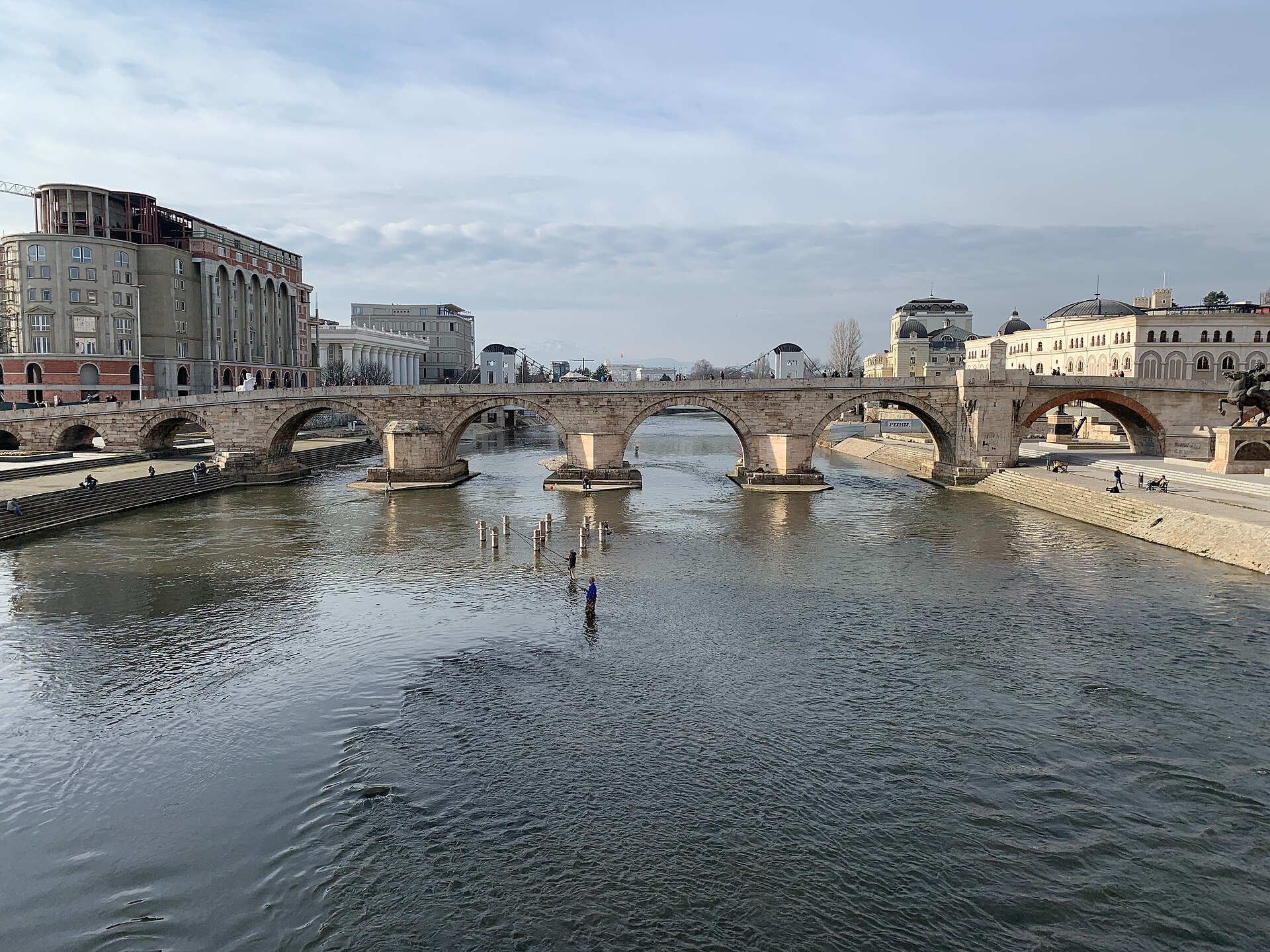
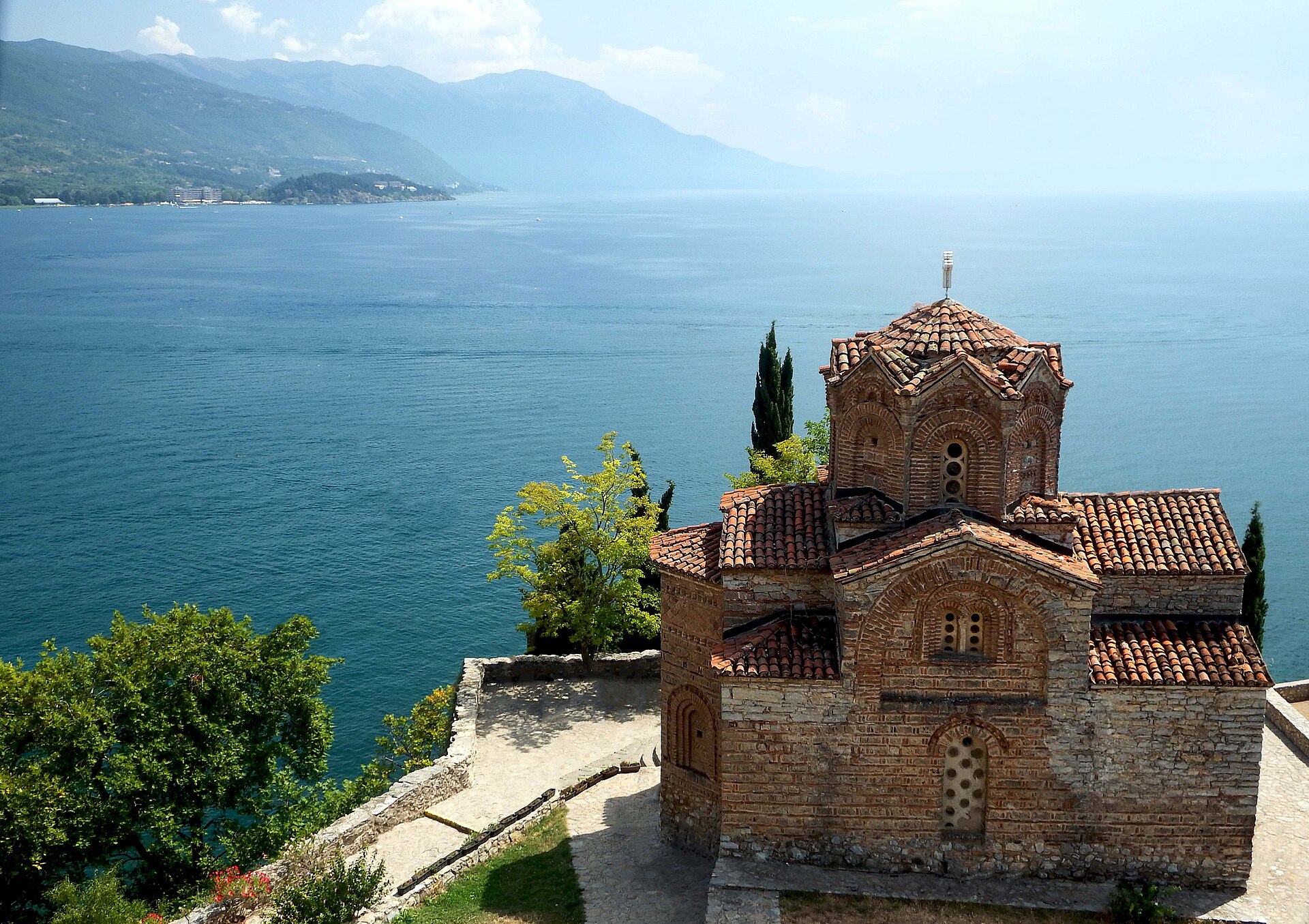
Skopje + Ohrid — A strong North Macedonia pairing. Buses run regularly and the journey takes around 3 hours, costing roughly 5 to 8 EUR. Ohrid is one of the most rewarding scenic stops in the region and does not need a car once you are there.
Sample 10-day Balkans itinerary without a car
This route is built for first-time visitors who want variety without complexity. It uses buses and trains throughout and keeps transfer days short enough to feel manageable.
Days 1 to 3 — Belgrade: Use the first two or three days to settle into the city. Stari Grad and Dorcol are the best central bases. The city is walkable and easy to understand quickly once you have a good location.
Day 4 — Day trip to Novi Sad: Take the morning bus or train (around 1 hour) and return in the evening. Novi Sad is compact enough to cover in one day without feeling rushed.
Day 5 — Transfer to Sarajevo: The direct bus takes around 6 hours. Book in advance, bring food and water, and treat the transfer day as a rest day rather than trying to squeeze in sightseeing on arrival.
Days 6 and 7 — Sarajevo: Two full days gives you the old town, a viewpoint, strong food, and enough of the city to understand why it stands out. Stay near Bascarsija for the easiest access.
Day 8 — Mostar: Take the morning bus from Sarajevo (around 2.5 hours). Spend the day in Mostar and either return to Sarajevo for your last night or stay overnight in Mostar if the route allows.
Days 9 and 10 — Transfer to Dubrovnik or Zagreb depending on your flight: Dubrovnik is around 4 hours from Sarajevo by bus. Zagreb is better reached from Belgrade or Ljubljana if the wider route loops back north.
How to book buses in the Balkans
Bus is the primary mode of intercity transport across most of the Balkans. Trains exist on some routes but are slower and less reliable outside Slovenia and Serbia. For buses, the most useful booking options are:
GetByBus — covers Croatia, Bosnia, Slovenia, Serbia, and Montenegro well. Good for booking in advance and comparing operators.
FlixBus — useful for some routes, particularly in Croatia and Slovenia, but less comprehensive in the western Balkans.
Direct from bus stations — for Bosnia, North Macedonia, and Kosovo in particular, buying at the station on the day is still common and often the most reliable option. Arrive 30 to 45 minutes early for popular routes.
BlaBlaCar — works in Serbia and parts of Croatia. Good for shorter routes and often cheaper than buses for same-day travel.
What no-car planning actually changes
The biggest practical difference is that hotel location matters more. When you are driving, a slightly inconvenient base is easier to work around. When you are walking and using local transport, the wrong area adds friction to every part of the day. Prioritize walkability and central access over price when choosing where to stay, especially in cities you are visiting for the first time.
Transfer days also need to be treated as real days in the itinerary, not just logistics. A 6-hour bus from Belgrade to Sarajevo is a full day. Build in arrival time, a light first evening, and do not plan sightseeing for the afternoon you land in a new city after a long transfer.
Who this style suits best
Car-free Balkans travel works well for first-time visitors, couples, solo travelers, and anyone who wants to keep the trip feeling manageable rather than logistically intense. It also tends to produce better hotel decisions because you are forced to think about location before you think about price.
If you want national parks, mountain roads, or a route that jumps between five countries in ten days, a rental car will serve you better. But for most city-first Balkan trips, the bus is enough and often the cleaner choice.