A Balkans trip for couples works differently from a solo or group trip. The priorities shift toward atmosphere, hotel quality, evening rhythm, and the kind of scenic or cultural stops that feel shared rather than just efficient. Getting the route right means choosing for mood first and country count second.
Which Balkan destinations work best for couples
Not every Balkan city works equally well for a couples trip. Some are better for solo exploration, nightlife, or budget travel. The destinations that consistently deliver strong couples experiences share a common quality: they create a sense of place quickly and they have good evenings.
Kotor, Montenegro -- The bay, the walled old town, the mountain backdrop, and the evening atmosphere after day-trippers leave make Kotor one of the most reliably romantic short-break destinations in Europe. Two nights minimum, three nights ideal.
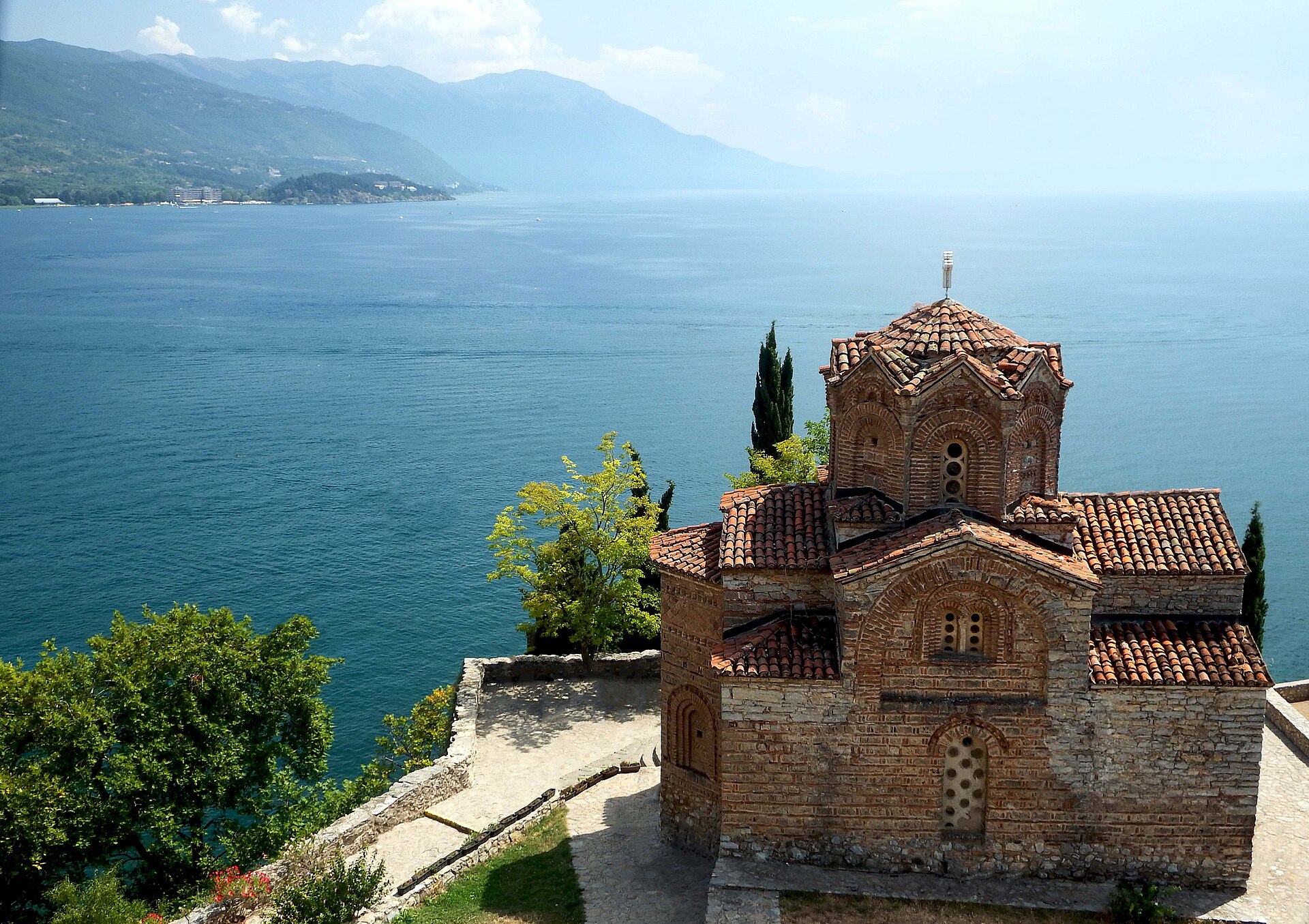
Ohrid, North Macedonia -- Lake Ohrid at dusk, the Byzantine churches, and the slow pace of the old town combine into something genuinely special. Underrated by couples who have not been, immediately understood by those who have. Three nights is the right length.
Dubrovnik, Croatia -- Iconic and for good reason. The walls at dusk, a table at a good restaurant in the old town, the view from Mount Srd -- these are the kind of experiences that travel well for two. Best visited in May, June, or September to avoid peak-season crowds. Two to three nights.
Sarajevo, Bosnia -- A more surprising couples destination than the obvious scenic choices, but one that delivers consistently. The food is excellent, the old town has genuine atmosphere, and the city's layered history gives the trip more depth than a purely scenic destination. Three nights.
Ljubljana, Slovenia -- The most polished and European-feeling option in the region. The riverside terrace scene, the castle, and the compact walkable centre work very well for a relaxed couples weekend. Two nights is enough; three is comfortable.
Bled, Slovenia -- The lake, the island church, the surrounding Alps. Almost engineered to be photogenic for two. Best as a two-night stop rather than a standalone longer trip -- it reveals its best qualities quickly and the surrounding area can be explored in one full day.
Route frameworks that work for couples
7 to 10 days, coast and scenery focused: Dubrovnik (3 nights) → Kotor (2 nights) → Budva optional (1 night). Fly into Dubrovnik, out of Tivat or Podgorica. This is the strongest pure-scenery couples route in the western Balkans and requires almost no difficult logistics.
7 to 10 days, culture and city focused: Sarajevo (3 nights) → Mostar (1 night) → Dubrovnik (3 nights). Bus connections throughout, no car needed. Combines Bosnia's strongest cultural destination with the region's most iconic coastal finish.
10 to 14 days, wider Balkans: Ljubljana (2 nights) → Bled (2 nights) → Zagreb (2 nights) → Sarajevo (3 nights) → Dubrovnik (3 nights). This covers the full range from polished Central European city break to dramatic Adriatic coast. Transport is all by bus or train. The route flows logically south and west.
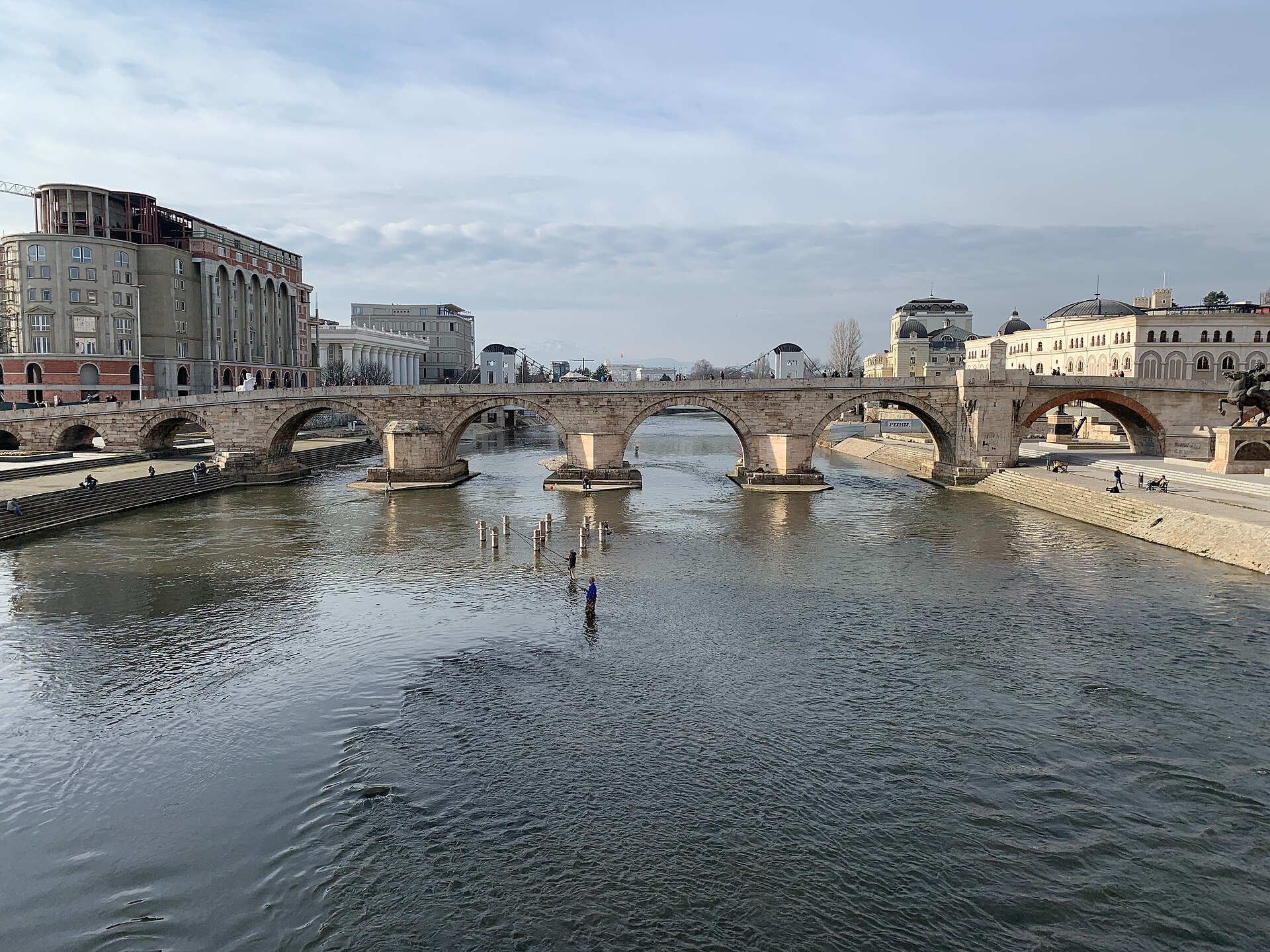
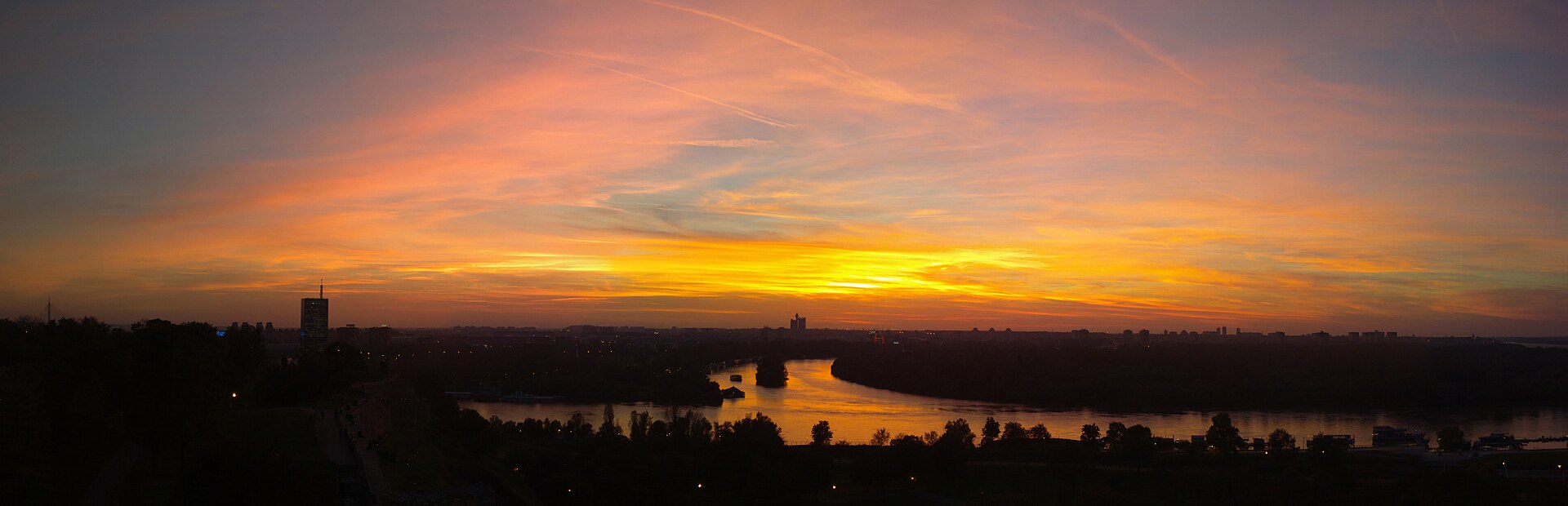
10 to 14 days, eastern Balkans: Belgrade (3 nights) → Sarajevo (3 nights) → Ohrid (3 nights) → Skopje (2 nights). Stronger on culture and value, less focused on coast. Better for couples who prefer depth over scenery.
The most common couples trip mistakes
Too many countries, too little time in each. Covering five countries in ten days sounds ambitious but usually produces a trip where nothing lands properly. Two or three strong destinations with enough time in each is consistently better. Three nights in Kotor produces a much stronger memory than one night each in five places.
Wrong hotel location. For couples trips in particular, hotel location matters more than it does for solo or group travel. A bad location -- slightly out of the old town, too far from the evening action, up a hill that feels fine on day one and tiring by day three -- can quietly drain the trip. Pay a bit more for the right location and notice the difference from the first evening.
Overloading activity. The Balkans reward slower travel. A couples trip that tries to fit in museums, boat trips, hikes, and day excursions every day will feel exhausting by the end. The best couples memories from the region usually involve a good long lunch, a slow afternoon walk, and a dinner that ran later than expected. Leave room for that.
Visiting the coast in peak summer. Dubrovnik and Kotor in July and August are crowded, expensive, and in Dubrovnik's case can feel genuinely unpleasant during peak cruise-ship hours. The same destinations in May, June, or September are dramatically better for a couples trip.
How to choose hotels for a couples Balkans trip
Boutique guesthouses and small hotels in old-town areas consistently outperform larger chain hotels for couples trips in the Balkans. The character of the accommodation matters more on a trip where evenings are a big part of the experience. A well-located guesthouse in Kotor old town at 120 EUR per night will give you a better couples trip than a four-star hotel on the outskirts at the same price.
Prioritize: walkable location, some character in the room and common areas, a good breakfast if included, and reviews that specifically mention how the property works for couples or romantic trips. Ignore: pool (rarely used on city-based trips), gym, conference facilities.
Budget expectations for a couples Balkans trip
The Balkans offer genuinely good value for couples compared to Western Europe, but the range is wide by destination. Dubrovnik and Bled are the most expensive stops. Belgrade, Sarajevo, Ohrid, and Skopje are the most affordable. A realistic mid-range couples budget for accommodation and food (not including flights) runs roughly 150 to 250 EUR per day for two people in the more expensive destinations (Dubrovnik, Kotor, Ljubljana) and 80 to 140 EUR per day for two in the more affordable ones (Belgrade, Sarajevo, Ohrid).