
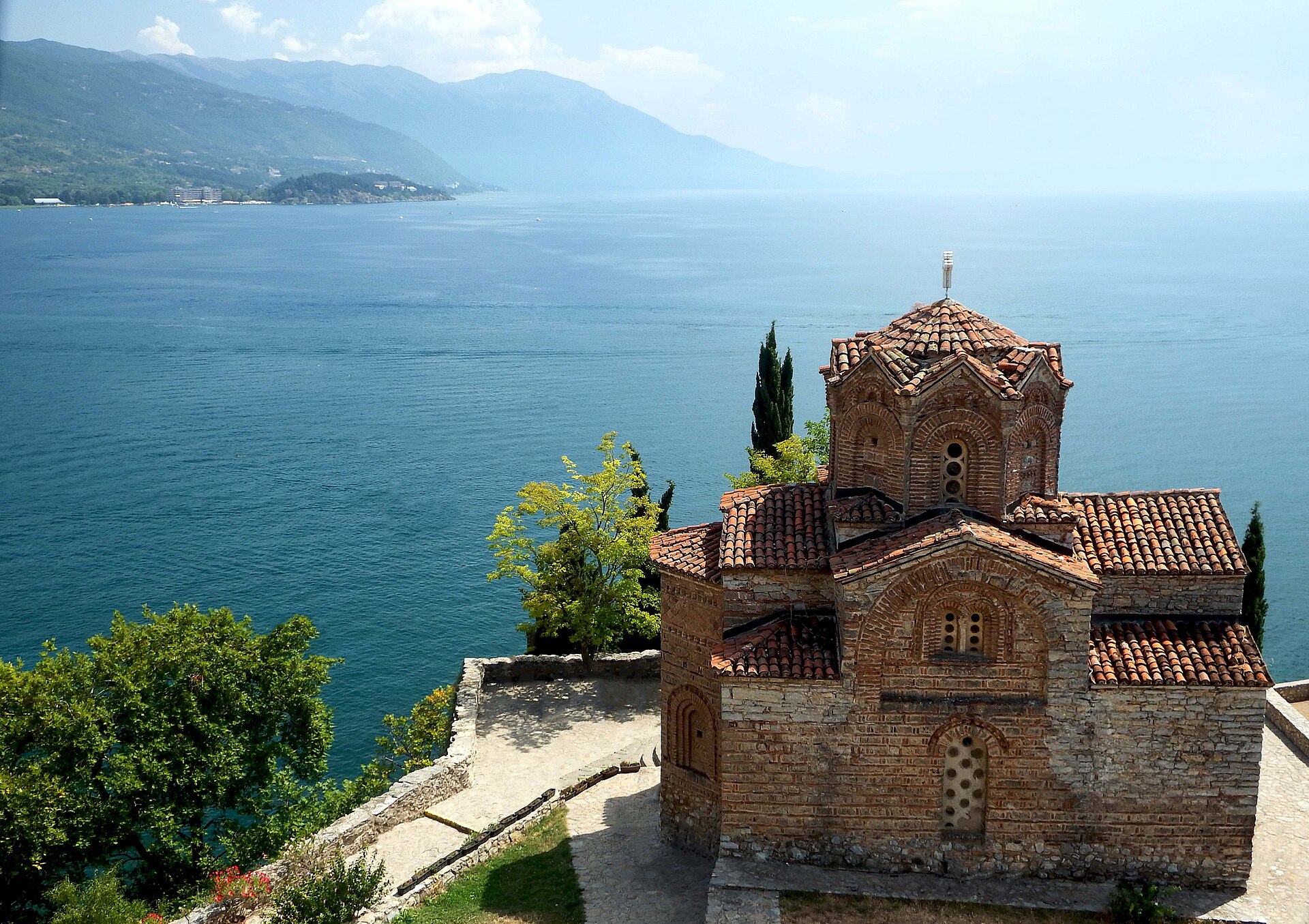
Ohrid is one of those places where the length of stay matters more than usual. Too short and the lake town feels like a scenic photo stop. The right amount of time and it becomes one of the most memorable stops on a Balkans trip. The difference between those two versions is usually just one extra night.
The short answer: two nights minimum, three nights ideal
Two nights gives you enough time to see the main highlights — the old town, the lake, the Church of St. John at Kaneo, and one proper lakeside evening. It works if Ohrid is one stop in a wider route and you are not expecting it to carry the whole trip.
Three nights is better for most travelers. The extra day removes the rush, gives you a slower morning by the lake, and lets the place settle into memory rather than blur into a checklist. For couples in particular, three nights in Ohrid tends to land as one of the strongest stops of the whole trip.
When one night is enough
One night can work in specific circumstances. If you are arriving from Skopje in the afternoon, spending one full day in Ohrid, and leaving the next morning, the stop can still feel worthwhile. You will see the lake, walk the old town, and catch one sunset. You will not see the place at its most atmospheric, but it is better than skipping it entirely.
One night is not enough if Ohrid is the main reason you are visiting North Macedonia. Give it more time if it is the destination rather than a stop.
What three nights actually gives you
Day 1: Arrive, settle into the old town, walk the lakefront, and find a good dinner spot near the water. The first evening in Ohrid is often the best — the light on the lake at dusk is genuinely beautiful and worth arriving early enough to catch.
Day 2: The Church of St. John at Kaneo in the morning before the tour groups arrive. The old bazaar area. The fortress. One slower afternoon by the lake or on a terrace with coffee. This is the day Ohrid earns its reputation.
Day 3: A boat trip on Lake Ohrid if the weather is good — the views back toward the old town from the water are worth it. The monastery of St. Naum is about 30 kilometers south and can be reached by boat or taxi. It makes a strong half-day and gives the trip a slightly wider read of the lake region. Leave the afternoon free before your evening or next-day departure.
Four nights: who should consider it
Four nights makes sense if Ohrid is functioning as a rest point in a longer trip. After several faster-moving cities, giving yourself an extra lake day feels genuinely restorative. It also makes sense if you want to do St. Naum as a relaxed full-day rather than a rushed half-day.
Four nights is probably more than you need if you are trying to cover several Balkan destinations in two weeks. In that case, three nights in Ohrid and moving on is the better call.
How to get to Ohrid
The most common approach is by bus from Skopje. The journey takes around 3 hours and costs roughly 5 to 8 EUR each way. Buses run several times a day and the connection is straightforward. Ohrid also has a small airport with seasonal flights from several European cities, which can be a useful entry or exit point if the timing works for your route.
From Tirana in Albania, the journey by bus takes around 4 to 5 hours and the route passes through some genuinely scenic mountain terrain. It is a longer transfer but the Ohrid to Tirana or Tirana to Ohrid route is one of the better cross-border connections in the western Balkans.
Where to stay in Ohrid for the best experience
The old town area close to the lake is the strongest base. Being within walking distance of the lakefront and the Church of St. John at Kaneo means the best parts of Ohrid are accessible without needing transport. The newer hotel zone further from the water is significantly less atmospheric and makes the stop feel thinner than it should.
A guesthouse or small hotel in the old town typically costs between 40 and 80 EUR per night depending on the season and room quality. July and August are the peak months when prices rise and availability tightens, so book early if you are visiting in summer.
What makes Ohrid worth the time
The lake itself is one of the oldest in the world and one of the clearest in Europe. The old town has a density of Byzantine churches that is unusual even by Balkan standards — over 365 were built historically, one for each day of the year. The pace is slow in a way that feels earned rather than empty. It is not a place that tries hard to impress. It just works when you give it enough time.
For travelers who have been moving quickly through bigger cities, Ohrid usually lands as the stop they remember most. That is worth three nights.