
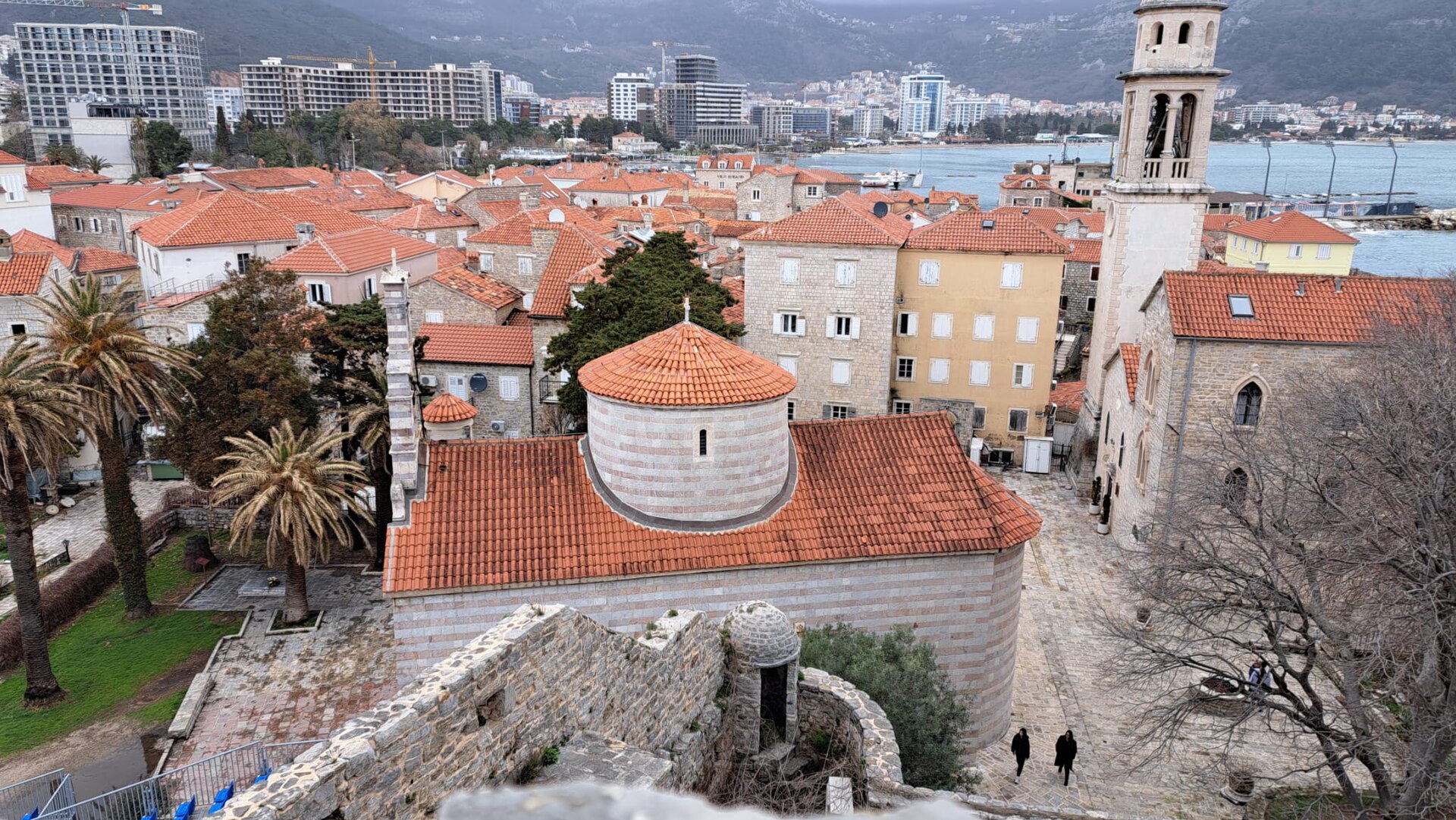
Budva and Dubrovnik are both Adriatic destinations, but they are solving different travel problems. Choosing between them is less about which one is objectively better and more about which one matches the kind of short trip you actually want. Get that right and either place can be excellent. Get it wrong and you will spend three days feeling like you chose the wrong option.
The core difference in one sentence
Dubrovnik is an iconic, visually dramatic city break with a premium price tag. Budva is a more relaxed, beach-forward summer base with better value and fewer logistics to manage. Those are different trips, not different quality levels.
Dubrovnik: who it suits and what to expect
Dubrovnik works best when the goal is a short trip that feels genuinely memorable and visually complete. The old town walls, the Adriatic views, and the general density of atmosphere make it one of the most rewarding short-break destinations in Europe. Two to three days is usually enough to feel like you have seen the best of it without it starting to feel repetitive.
The tradeoffs are real though. Dubrovnik in peak summer (July and August) is extremely crowded, especially when cruise ships are docked. Prices are significantly higher than anywhere else in the region — a central hotel that costs 80 EUR per night in April can easily double in July. If you are visiting in peak season, budget for it and book well in advance.
Best for: Couples, first-time Adriatic visitors, travelers who want one iconic short break, anyone visiting in shoulder season (May, June, September, October).
Budget range: Central hotels typically 100 to 200 EUR per night in peak season. Food is more expensive than Bosnia or Serbia but comparable to Zagreb. Expect to spend 80 to 130 EUR per day per person including accommodation, meals, and entry fees.
Budva: who it suits and what to expect
Budva works best when the trip should feel like a proper beach holiday rather than a cultural city break. The old town is genuinely charming and compact, the beaches are easy to access, and the overall rhythm of the place is more relaxed than Dubrovnik. It is also significantly cheaper, which matters when you are staying for a week or travelling as a family.
The tradeoffs are also real. Budva in July and August can feel heavily touristic and crowded around the main beach areas. The city itself does not have Dubrovnik's iconic visual power, and if you are expecting a polished cultural experience, you will find the pace a bit lightweight. It rewards travelers who know what they want: coast, ease, and a lower-pressure version of an Adriatic summer.
Best for: Beach-focused travelers, families, budget-conscious visitors, travelers combining Montenegro with Kotor, anyone who wants a longer coast stay without Dubrovnik prices.
Budget range: Mid-range hotels typically 50 to 100 EUR per night in peak season. Food is noticeably cheaper than Dubrovnik. Expect to spend 50 to 80 EUR per day per person all-in.
Side-by-side comparison
Atmosphere: Dubrovnik wins clearly. The walled old town, the sea views from the walls, and the general drama of the setting are hard to match anywhere in the Adriatic.
Beach access: Budva wins. Beaches are easier to reach, more plentiful, and less crowded per square meter than Dubrovnik's limited options.
Value for money: Budva wins significantly. You can have a very good three-night stay in Budva for the cost of two nights in central Dubrovnik in peak season.
Crowds in summer: Both are busy, but Dubrovnik at peak summer with cruise ships is a different level of congested. Budva is busy but more manageable.
Route fit: Dubrovnik connects well with Split (2.5 hours by bus) and Sarajevo (4 hours). Budva connects naturally with Kotor (30 minutes) and Bar for the overnight ferry to Italy.
Day trips: Dubrovnik gives you the Elafiti Islands, Montenegro border, and Cavtat. Budva gives you Kotor (one of the most rewarding day trips in the region), Sveti Stefan, and the wider Montenegro coast.
Which one is right for a short trip?
If the trip is two to three nights and you want a strong, concentrated experience that feels iconic, choose Dubrovnik. Go in May, June, or September if you can. Avoid August unless you have no other option.
If the trip is three to seven nights and you want coast, relaxation, and easier logistics at a better price, choose Budva. Use Kotor as a day trip and you will cover the most atmospheric stop in Montenegro without needing to base yourself there.
If you have a week and want both, the Budva to Dubrovnik bus takes around 2.5 hours and the combination works well as a two-base route. Start in Budva, day-trip to Kotor, then move to Dubrovnik for the final three nights before flying home.
When to visit each
Dubrovnik: May, June, and September are the best months. April is quieter but can be cool. July and August are the worst months for crowds but unavoidable for many travelers with fixed school holidays.
Budva: June to September is the natural season. Outside those months, many beach facilities close and the resort atmosphere disappears. It is not a good shoulder-season destination in the way Dubrovnik can be.