Serbia and Montenegro are neighbouring countries that attract similar types of travelers but deliver completely different trips. Serbia is primarily a city-break destination. Montenegro is primarily a scenery-and-coast destination. Once you understand that distinction, the right choice for your short trip usually becomes obvious.
The mistake most people make is trying to compare them as if they offer the same kind of experience. They do not. Choosing between them is really about choosing between two different versions of what a short Balkan trip can feel like.
Serbia: what it actually offers
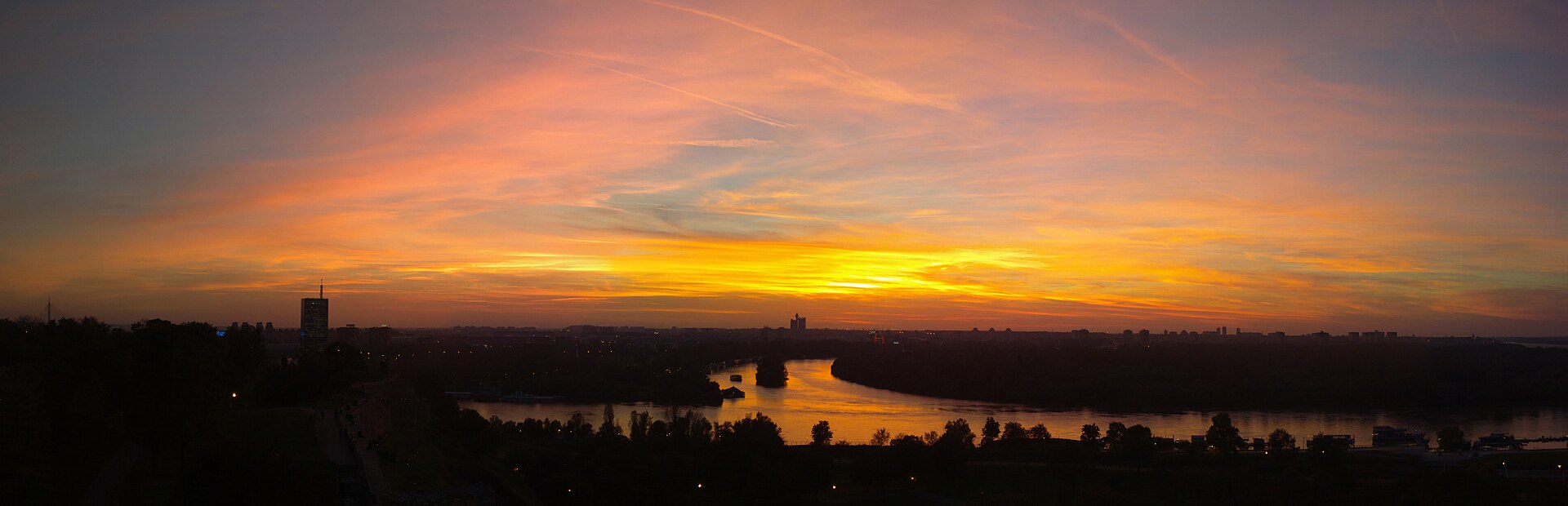
Serbia works best when the trip is built around Belgrade. The capital is one of the most underrated city-break destinations in Europe -- genuinely good food, strong nightlife, a real urban rhythm, and a price level that makes it feel like better value than most equivalent Western European cities. The fortress, the riverfront, Dorcol, Vracar -- these are the kind of neighborhoods that reward a slower pace and repeat visits to good restaurants.
Novi Sad is the natural second stop. About an hour from Belgrade by bus or train, it is calmer, more compact, and gives the trip a pleasant contrast without requiring a long transfer. The two cities together make one of the cleanest short-break pairings in the region.
Serbia does not have a coastline. It does not have dramatic mountain scenery in an easily accessible form. If those things are central to the trip, Serbia will feel incomplete no matter how good Belgrade is.
Best for: City-break travelers, food and nightlife-focused trips, solo travelers, digital nomads, anyone who wants a lively urban base at a reasonable price.
Cost level: Belgrade is one of the most affordable capitals in Europe for its quality level. A good mid-range hotel costs 60 to 100 EUR per night. Dinner at a solid restaurant runs 12 to 20 EUR per person. A beer at a bar costs 1.50 to 2.50 EUR. Daily budget for a comfortable trip: 60 to 90 EUR per person.
Montenegro: what it actually offers
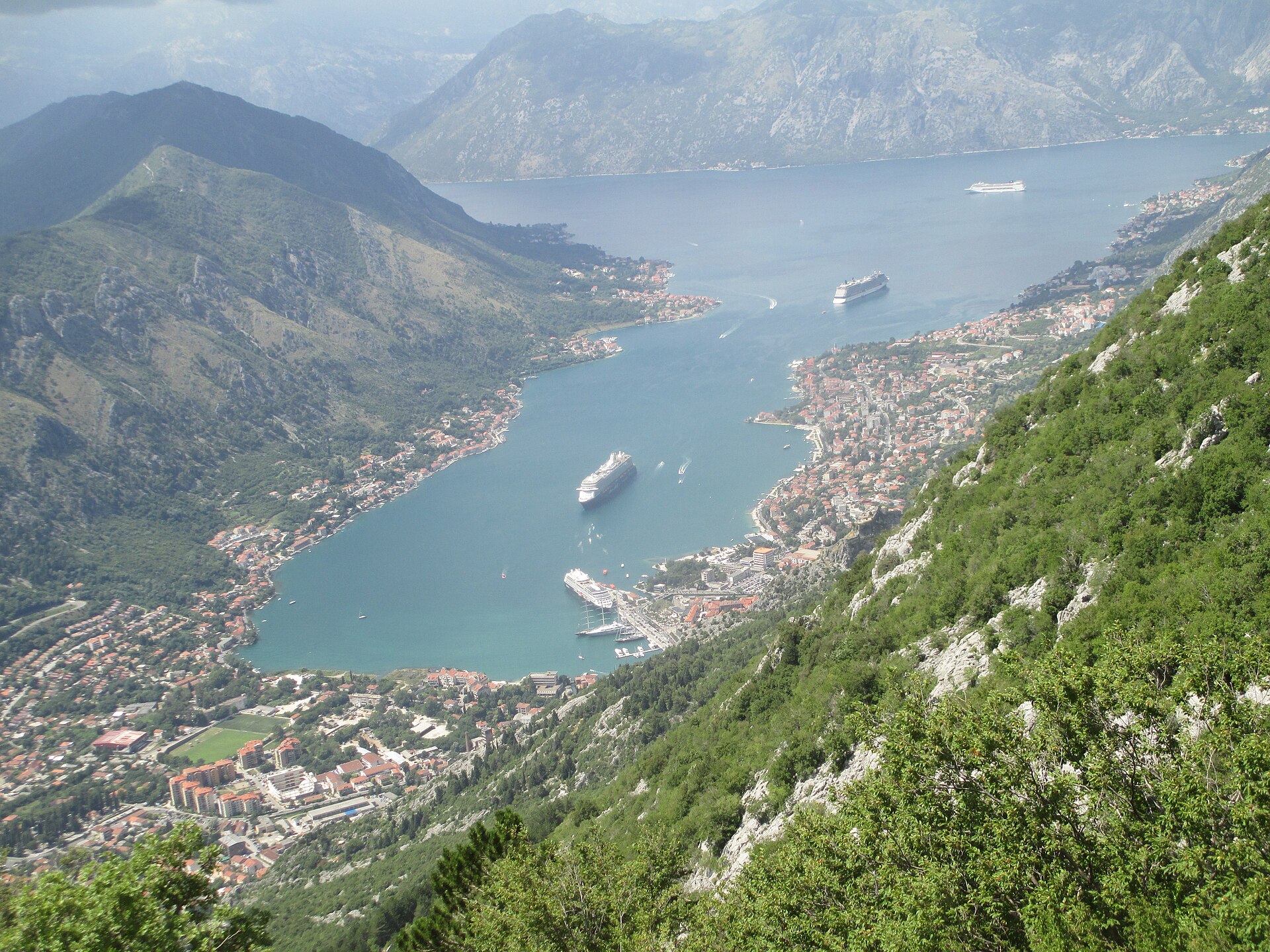
Montenegro works best when the trip is built around scenery. Kotor is one of the most visually dramatic small towns in the Adriatic -- a walled old city surrounded by mountains and a bay that looks almost too good to be real. Budva gives you coast and beach access. The drive between them is one of the most scenic short stretches in the Balkans.
The country is small enough that you can combine Kotor and Budva in a single short trip without much friction. Three nights split between the two, or four nights based in one with a day trip to the other, covers the strongest parts of Montenegro without needing a car if you use local buses or taxis.
Montenegro does not have a strong city-break culture in the Belgrade sense. There is no real equivalent to the food scene, nightlife, or urban density that makes Belgrade work as a standalone destination. If city energy is what you want, Montenegro will feel too quiet.
Best for: Scenery-first travelers, couples, beach holidays, photography-focused trips, anyone who wants coast and dramatic landscapes as the main event.
Cost level: Montenegro is more expensive than Serbia, particularly in peak season. A mid-range hotel in Kotor old town costs 80 to 150 EUR per night in summer. Budva is slightly cheaper. Food is reasonably priced -- a good dinner runs 15 to 25 EUR per person. Daily budget: 80 to 120 EUR per person in summer.
Side-by-side comparison
Scenery: Montenegro wins clearly. The Bay of Kotor, the Adriatic coast, and the mountain backdrop are genuinely extraordinary. Serbia has almost no equivalent for visual drama.
City energy: Serbia wins clearly. Belgrade has a real urban pulse that Montenegro simply does not offer. Podgorica, the Montenegrin capital, is functional but not a destination.
Nightlife: Serbia wins significantly. Belgrade has one of the strongest nightlife scenes in Southeast Europe. Montenegro has beach bars and tourist-facing clubs, but the depth and variety are not comparable.
Food: Serbia wins on variety and value. Belgrade has a genuinely good restaurant scene. Montenegro has decent food, but it leans heavily on grilled meat and Adriatic seafood, which is good but limited in range.
Value for money: Serbia wins, especially outside peak summer. Belgrade in May or October is outstanding value. Montenegro in July and August pushes prices significantly higher.
Ease of getting around without a car: Serbia is easier. Belgrade and Novi Sad are well connected by frequent and cheap buses and trains. Montenegro is manageable without a car between the main coast towns, but having transport gives you significantly more flexibility.
Combined appeal: Montenegro wins for the single strongest visual memory of a trip. Most travelers who visit both countries remember Kotor longer than they remember Belgrade, even if they enjoyed Belgrade more day-to-day.
How long do you need for each?
Serbia: Three to four nights in Belgrade is the right amount for a first visit. Add one day trip to Novi Sad if the schedule allows. You could spend longer, but the core of what makes Belgrade worthwhile is accessible in that window.
Montenegro: Three to five nights works well. Two nights in Kotor and two in Budva is a clean split. If you want to add Sveti Stefan or the Lovcen National Park, a fifth night gives you breathing room. Less than two nights in Kotor feels rushed given the transfer time to get there.
Can you combine both in one trip?
Yes, and it works well if the route is planned properly. The most natural combination is Belgrade first, then a flight or overnight bus to Montenegro. The direct bus from Belgrade to Kotor takes around 9 to 10 hours and runs overnight, which saves a hotel night. Budget airlines fly Belgrade to Podgorica in around an hour for 30 to 80 EUR depending on timing.
A 10-day itinerary that works: three nights in Belgrade, one day trip to Novi Sad, then fly or bus to Montenegro, two nights in Kotor, two nights in Budva, fly home from Tivat or Podgorica. That covers the strongest parts of both countries without feeling rushed.
Which one should you choose for a short trip?
Choose Serbia if: the trip is four days or fewer, you want city energy and nightlife, you are traveling solo or with friends rather than as a couple, or you are primarily driven by food and urban exploration.
Choose Montenegro if: the trip is focused on scenery and coast, you are traveling as a couple and want somewhere visually romantic, the Adriatic is the main draw, or you want the single most dramatic landscape in the western Balkans.
Choose both if: you have ten days or more and want the full contrast that makes a first Balkans trip genuinely varied and memorable.