The Balkans cover a large and varied region, which means the best time to visit depends significantly on where you are going. A coastal Croatia trip and a city-break trip through Serbia and Bosnia have different optimal windows. This guide gives you a clear breakdown by month and by destination type so you can match the timing to your actual route.
The short version
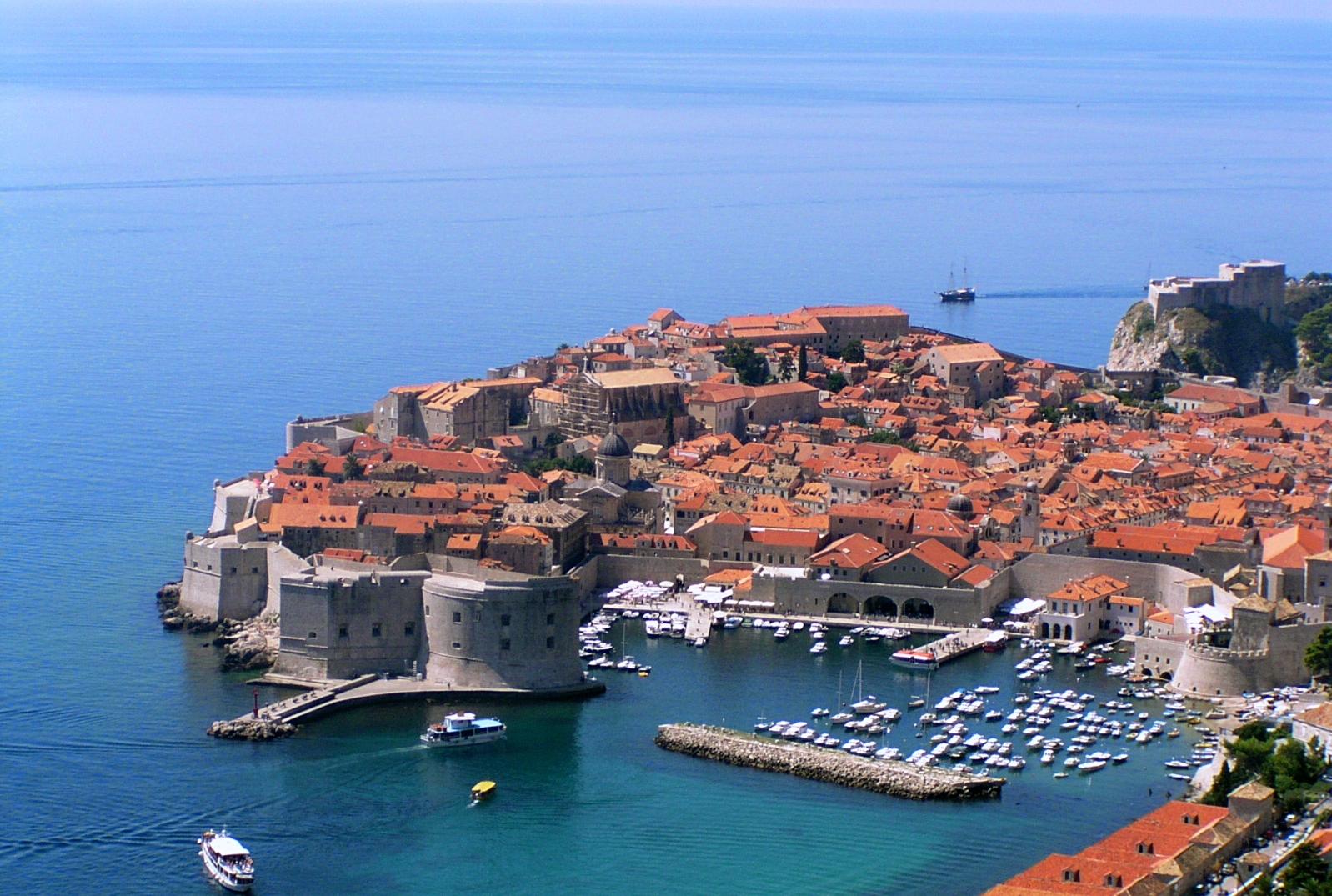
For coastal destinations (Dubrovnik, Split, Kotor, Budva): May, June, and September are the best months. July and August are peak season -- hot, crowded, and expensive. April and October work for the bold.
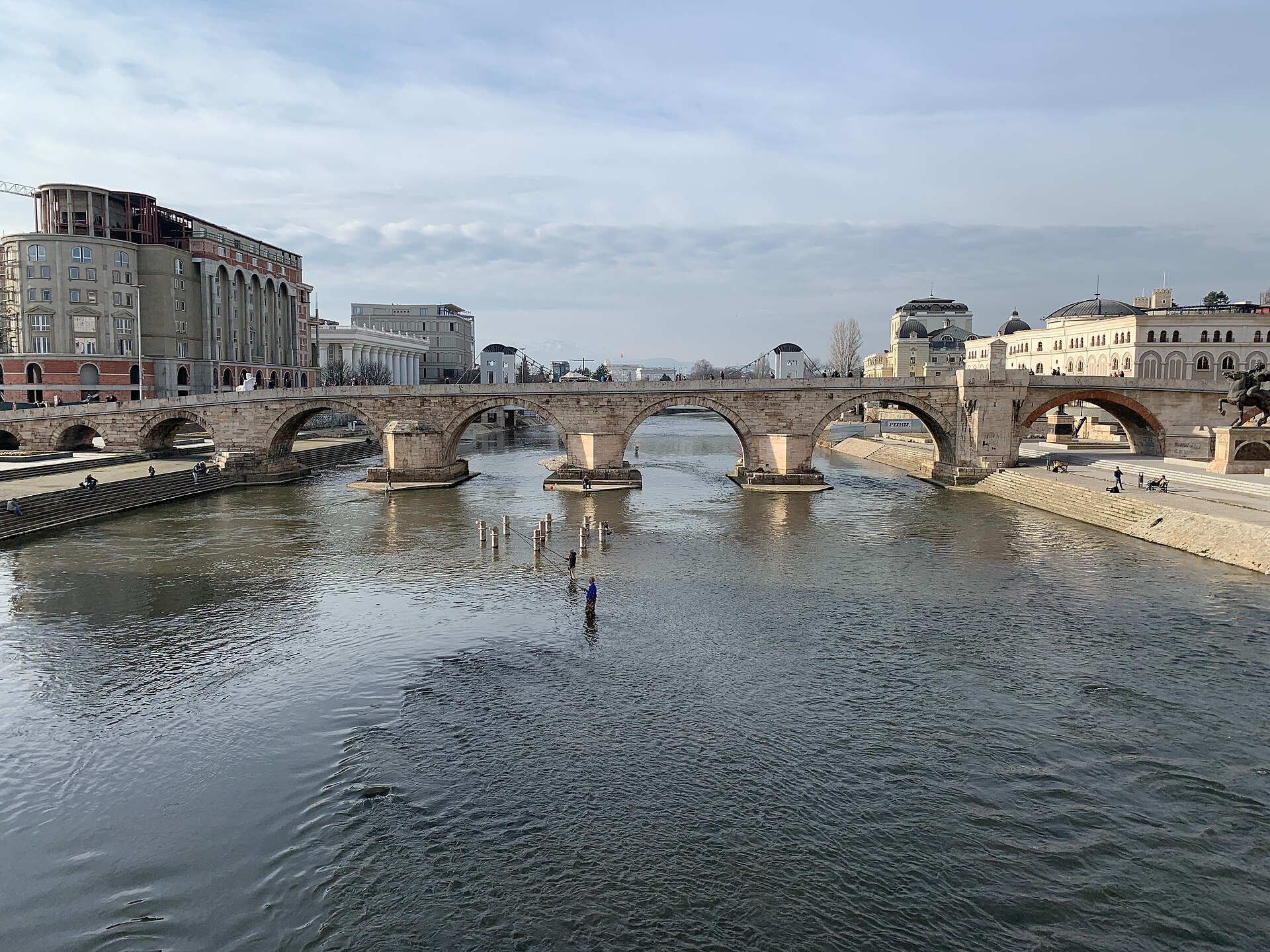
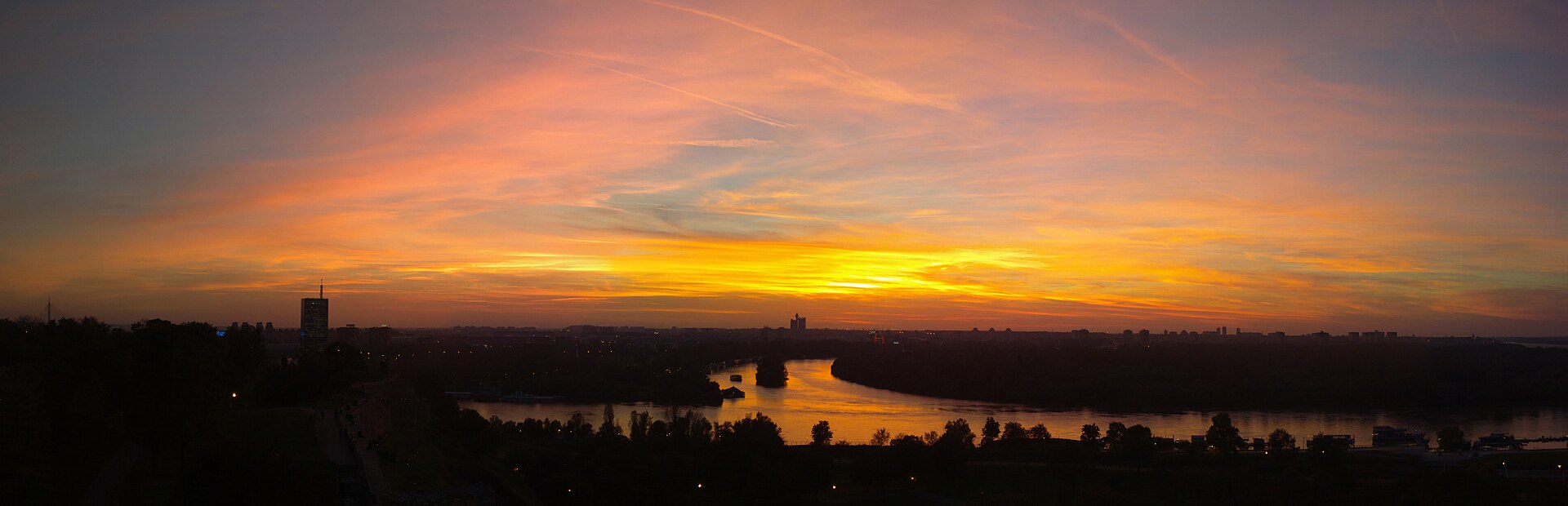
For city destinations (Belgrade, Sarajevo, Zagreb, Ljubljana, Skopje): April through October all work well. May, June, and September are the most pleasant. July and August are warm but manageable since these cities do not suffer from cruise ship crowds.
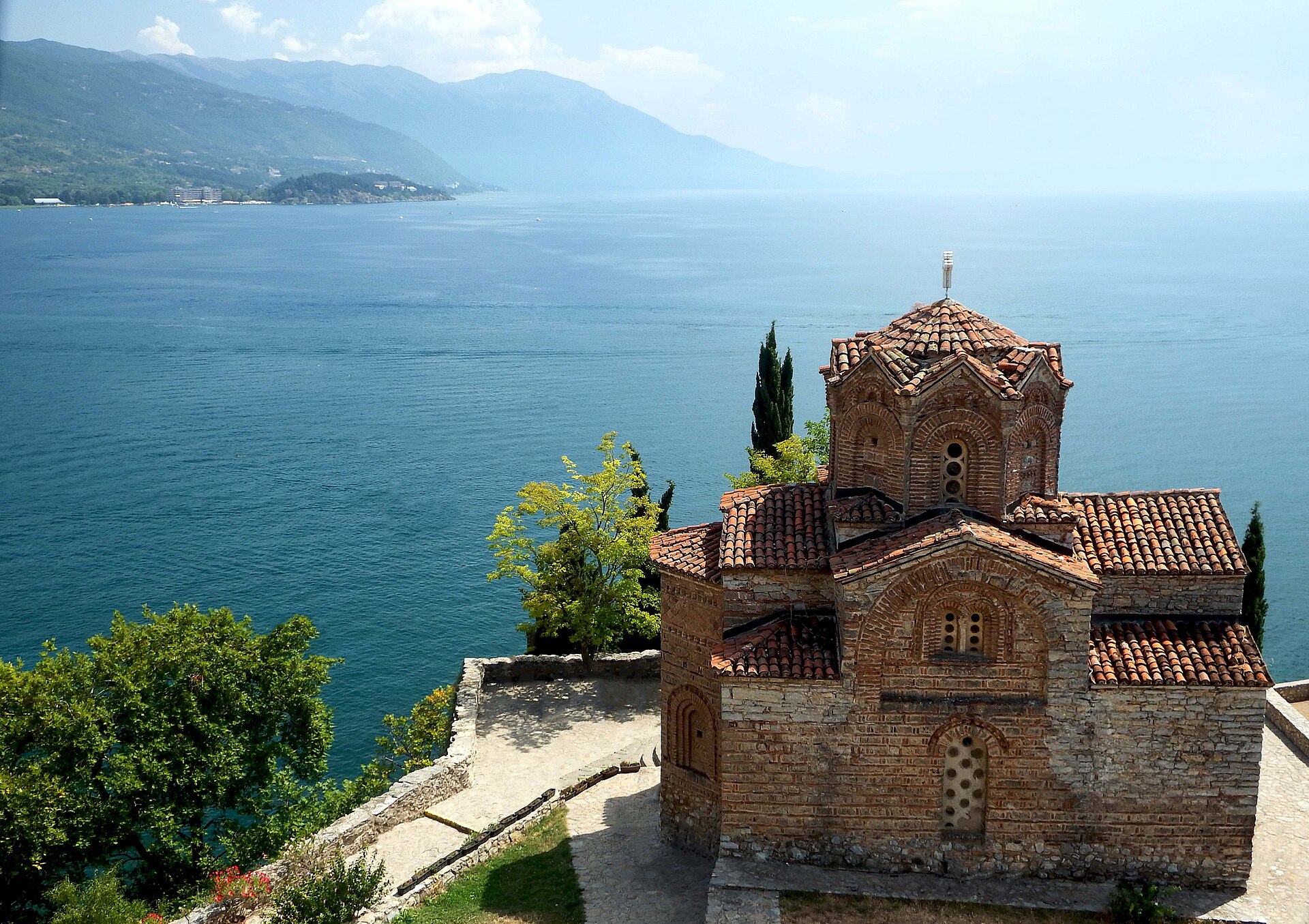
For inland scenic destinations (Ohrid, Mostar, Plitvice): May and June are excellent. September is good. July and August are busy but still worthwhile.
Month by month
January and February: Off-season. Coastal destinations are very quiet, many restaurants and hotels closed. Cities are cold but functional. Good for budget travelers who want to experience places without any tourists, but limited in what is open. Sarajevo can be atmospheric in winter snow.
March: Still off-season but improving. Some coastal properties start reopening toward end of month. Cities are getting their spring energy back. Not a recommended month for a first Balkans trip.
April: Good for cities, early for coast. Zagreb, Belgrade, Ljubljana, and Sarajevo are all functioning well with good weather in the high teens Celsius. Coastal destinations are open but sea temperature is still cold. Accommodation prices are low everywhere. A good month for budget city-break travelers.
May: One of the two best months in the region. See the May destinations guide for detail. Warm temperatures, low crowds, good prices, everything open. Strongly recommended for most Balkans trips.
June: Excellent across the board. Coastal destinations come into their own -- warm enough for swimming (sea around 22 degrees Celsius), crowds building but not yet at peak. Cities are warm and pleasant. The last genuinely comfortable month before the July-August intensity hits.
July: Peak season. Coastal destinations are at maximum crowds and maximum prices. Dubrovnik in particular can be genuinely uncomfortable on busy days. Cities are hot (Belgrade, Sarajevo, and Zagreb can reach 35+ degrees Celsius). If July is your only option, plan activities for early morning and evening, book well in advance, and budget for peak prices.
August: Similar to July. The absolute peak for coastal destinations. Some travelers love the energy; others find it overwhelming. The Exit Festival in Novi Sad (usually late July or early August) draws large crowds to that region. Sea temperatures are at their warmest (around 26 to 27 degrees Celsius on the Adriatic).
September: The other best month alongside May. Crowds drop noticeably from the August peak. Sea is still warm (around 23 to 24 degrees Celsius). Prices fall. Weather remains excellent. Many travelers who have experienced both September and July consider September clearly superior for almost all Balkans destinations. Strongly recommended.
October: Shoulder season. Coastal destinations quiet significantly -- many smaller restaurants and accommodation options close by mid-October. Cities are still excellent with autumn light and comfortable temperatures. Plitvice Lakes are stunning in autumn colours. A good month for city-focused trips; less ideal for coast-focused ones.
November and December: Off-season for most destinations. Cities have Christmas markets from late November (Zagreb has one of the best in the region). Coastal destinations are largely closed. Sarajevo can be beautiful in early winter. Not recommended for first-time visitors.
Trip type recommendations
First-time Balkans trip combining cities and coast: Late May or early June, or September. These windows give you good conditions for both types of destination without the peak-season intensity.
City-only trip (Belgrade, Zagreb, Sarajevo): April through October, with May and September being optimal.
Coast-only trip (Dubrovnik, Split, Kotor): June or September. June if you want longer days and building energy. September if you want the best balance of warmth, swimming, and manageable crowds.
Budget-focused trip: April, May, or October for the lowest prices with decent conditions. March or November if you want the absolute minimum cost and do not mind limited openings.
What about school holidays?
The peak school holiday period in Western Europe runs from approximately mid-July to late August. This drives the bulk of tourist traffic to Balkans coastal destinations in that window. If you can travel outside school holidays, May, June, September, and early October all offer meaningfully better experiences for most destinations in the region.