The Balkans are one of the most underrated food regions in Europe. The combination of Ottoman, Austro-Hungarian, Mediterranean, and Slavic culinary traditions has produced a food culture that is distinctive, affordable, and in several cities genuinely excellent by any standard. This guide focuses on the cities where eating well is a central part of the experience rather than an afterthought.
Sarajevo: the strongest food city in the Balkans
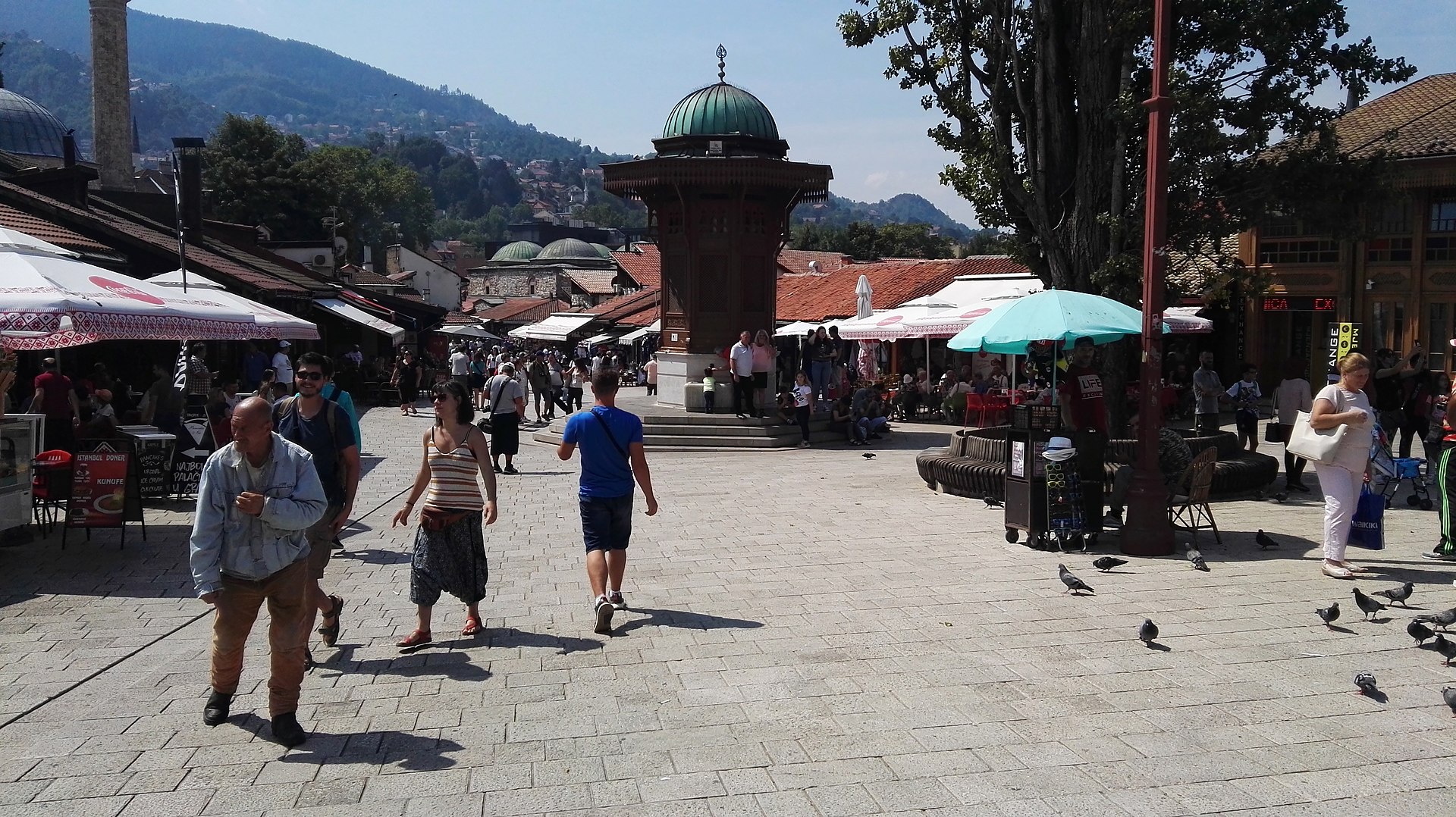
Sarajevo is the most rewarding food destination in the region and the most surprising one for first-time visitors. The city's Ottoman heritage is most visible in its food -- cevapi, burek, baklava, and Bosnian coffee are all central to the daily food culture rather than being tourist-facing performances.
Cevapi are small grilled meat sausages (typically a mix of beef and lamb) served in flatbread (somun) with raw onions and kajmak (a rich dairy spread). They are eaten standing at a counter or seated at a simple table. A full portion costs 4 to 6 EUR. The best versions are found at local spots like Zeljo and Asdaf near Bascarsija rather than at tourist-facing restaurants on the main drag.
Burek is flaky pastry filled with minced meat, cheese, or spinach. Bosnian burek is made in large round trays and cut to order -- different from the individual pastries found in other Balkan countries. A serving costs 1.50 to 3 EUR at a proper buregdzinica. Best eaten fresh in the morning.
Bosnian coffee is served in a small copper pot (dzezva) with a separate cup, a cube of sugar, and a piece of Turkish delight. It is not espresso and not instant -- it is finely ground coffee allowed to settle in the cup. The ritual of drinking it slowly is part of the experience. Cost: 1.50 to 2.50 EUR. Do not rush it.
Beyond the traditional dishes, Sarajevo has a growing restaurant scene with good options for sit-down Bosnian cuisine, international food, and some of the better wine lists in the region at reasonable prices. A good dinner for two with wine runs 35 to 55 EUR total.
Belgrade: the most diverse food city
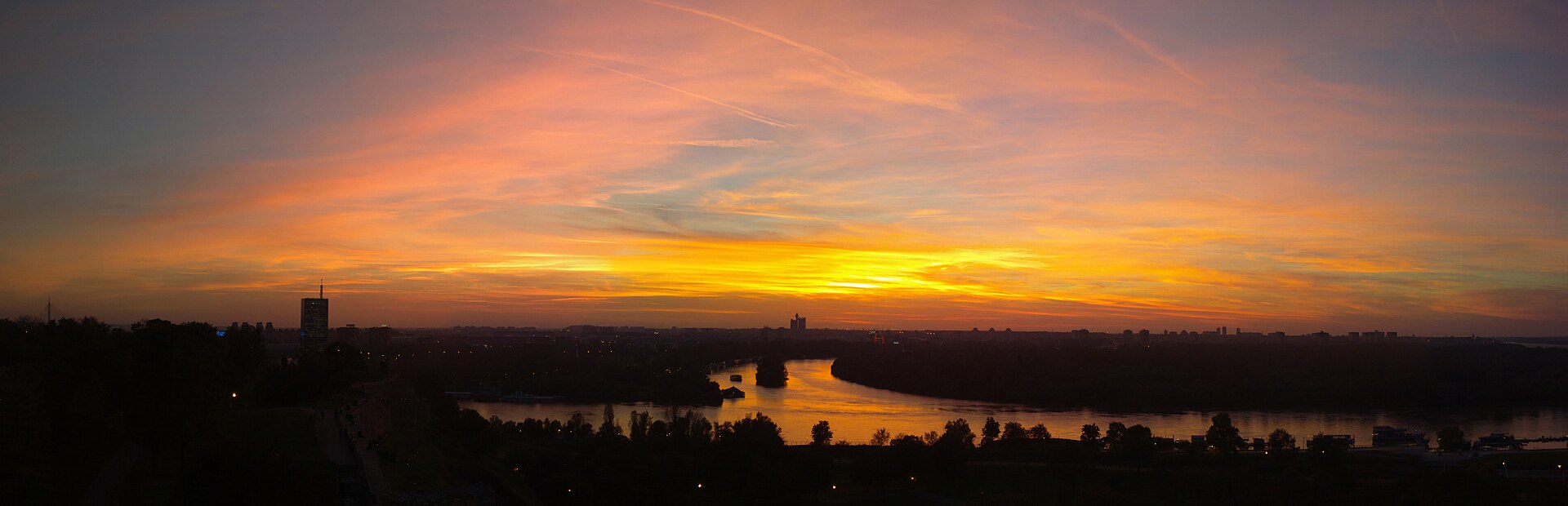
Belgrade has the most varied restaurant scene in the Balkans. The city's size and the strength of its dining culture mean you can eat well across a very wide range of cuisines and price points. Traditional Serbian food is excellent and should be tried, but the city also has strong options for Japanese, Italian, Middle Eastern, and contemporary European cooking.
Serbian food highlights: Pljeskavica (a large grilled meat patty, effectively a Serbian burger, served with ajvar -- roasted red pepper spread -- and kajmak), roasted meats (jagnjetina, slow-roasted lamb, is a weekend staple in traditional restaurants), and gibanica (a cheese and egg pastry similar to burek). A proper Serbian lunch at a traditional restaurant costs 10 to 18 EUR per person.
Kafanas are traditional Serbian taverns -- long tables, live folk music on weekends, a lot of meat, a lot of rakija (fruit brandy), and a very particular atmosphere that is specific to Serbia. They are not tourist traps -- they are where Belgraders go for long lunches and birthday dinners. Ask locals for recommendations rather than booking the first Google result.
Belgrade's cafe scene is strong and the city takes its coffee seriously. The best coffee is found in specialty cafes in Dorcol and Savamala rather than in chains. Expect to pay 2 to 3.50 EUR for a quality espresso.
Budget for eating in Belgrade: 15 to 25 EUR per person per day covers breakfast, a proper lunch, and dinner at mid-range restaurants. It is one of the best-value food cities in Europe for its quality level.
Zagreb: the most polished food scene
Zagreb has the most refined and internationally-facing restaurant scene in the region. The city's cafe culture is excellent, the market (Dolac) is one of the best in Central Europe, and the range of quality restaurants across Croatian and international cuisines is strong.
Croatian food highlights: Strukli (a baked or boiled pastry filled with fresh cheese, a Zagreb specialty not easily found elsewhere), black risotto (crni rizot, made with cuttlefish ink, more common on the coast but available in Zagreb), and a wide range of good local wines from Slavonia and the Dalmatian coast.
The Dolac market is worth a morning visit specifically for the food. Fresh vegetables, local cheeses, cured meats, and seasonal produce from the surrounding region. Best visited before 9am when the selection is at its largest.
Zagreb is more expensive than Sarajevo or Belgrade for food. A good lunch runs 15 to 25 EUR per person. Dinner at a quality restaurant is 25 to 40 EUR per person. The quality justifies the premium, but budget accordingly.
Split and Dubrovnik: seafood on the Adriatic
The Croatian coast is the best place in the Balkans for seafood. Grilled fish, black risotto, seafood pasta, oysters from the Peljesac peninsula (about 1 hour north of Dubrovnik) -- the quality of the Adriatic seafood in both Split and Dubrovnik is genuinely high.
The trade-off is price, particularly in Dubrovnik. A seafood dinner for two in Dubrovnik old town in peak season can easily reach 60 to 100 EUR. In Split, the same quality meal runs 40 to 70 EUR. Moving one street back from the main tourist thoroughfares typically reduces cost by 20 to 30 percent for equivalent quality.
The fish market in Split (Ribarnica, open early morning until the stock runs out) is one of the best in the region for seeing what is actually in season and fresh. Even if you are not cooking, it is worth 20 minutes.
Ohrid and the lake region: trout and fresh produce
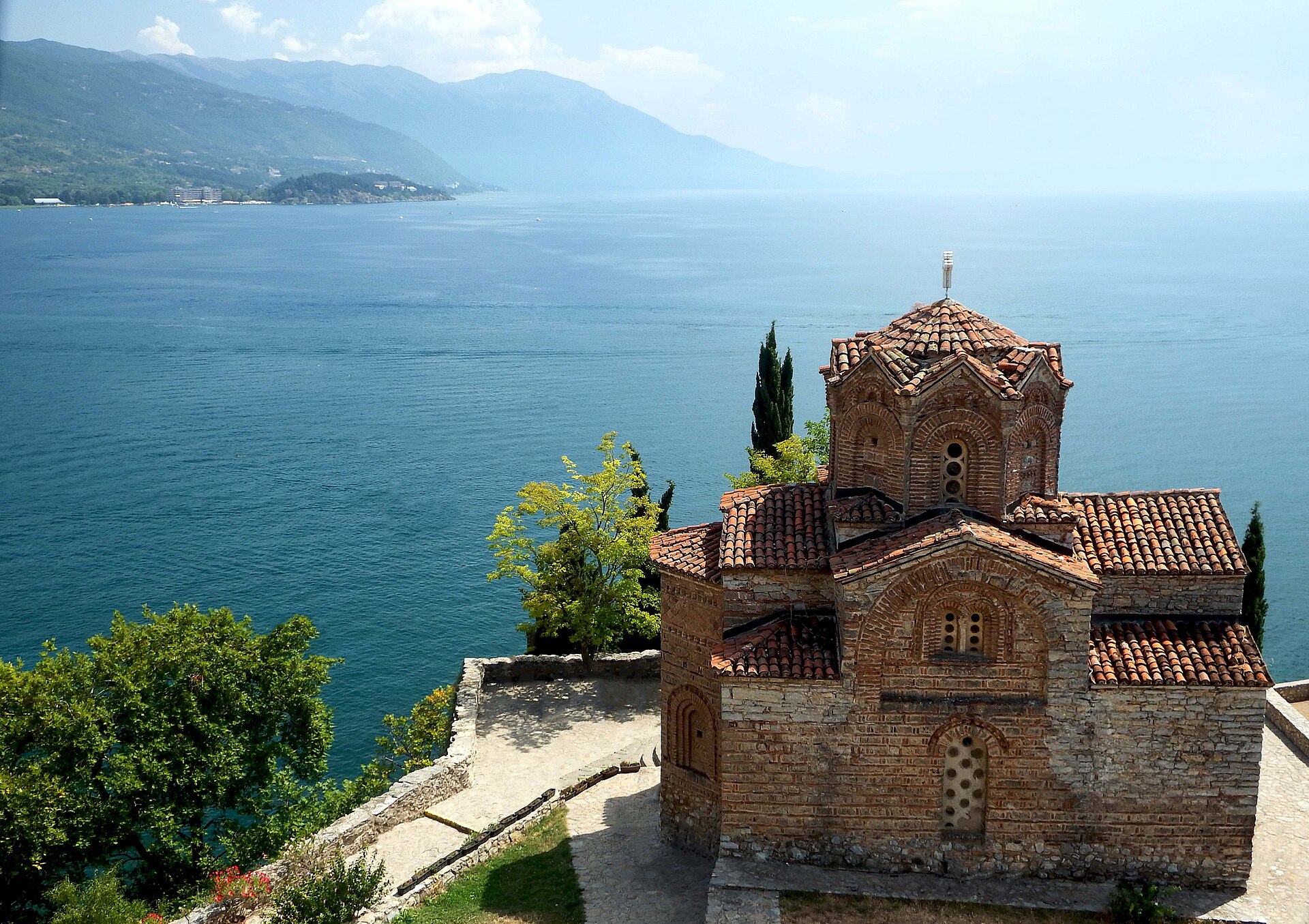
Lake Ohrid is one of the oldest lakes in the world and home to Ohrid trout (pastrmka) -- a species specific to the lake and a genuine regional delicacy. Grilled Ohrid trout served with local vegetables at a lakeside restaurant is one of the most satisfying simple meals in the Balkans. Cost: roughly 12 to 18 EUR for a full fish with sides. The lake view while eating it is included.
Quick food ranking by category
Best traditional food: Sarajevo, then Belgrade.
Best restaurant scene variety: Belgrade, then Zagreb.
Best seafood: Split, then Dubrovnik.
Best value eating: Sarajevo, then Belgrade.
Best cafe culture: Sarajevo and Zagreb (equally strong, different styles).
Best market: Zagreb (Dolac), then Split (Ribarnica).